








What's Happening?
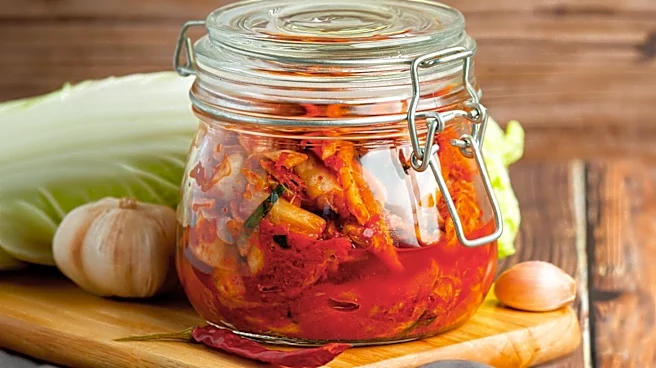
Naturally fermented foods, including pickles, sauerkraut, yogurt, kombucha, and kefir, are gaining attention for their potential role in managing symptoms of diverticulitis. A reader reported significant relief from their condition by incorporating these
foods and a multistrain probiotic into their diet. Diverticulitis is characterized by the inflammation or infection of small pouches, known as diverticula, that form along the colon wall. While the precise cause remains unknown, researchers suspect a link to adverse changes in the gut microbiome. The beneficial bacteria found in fermented foods and beverages are believed to improve the composition and activity of the gut microbiome, which could help alleviate symptoms. Medical professionals often advise patients on this dietary approach, recognizing its potential benefits. However, the U.S. Food and Drug Administration (FDA) has not yet issued a recommendation for probiotic foods and supplements as a treatment for diverticulitis, as it requires large, well-designed clinical trials to evaluate both efficacy and safety, which have not yet been conducted for this specific application.
Why It's Important?
The growing interest in fermented foods for conditions like diverticulitis highlights a broader societal shift towards natural and dietary interventions for health management. This trend underscores the increasing recognition of the gut microbiome's critical role in overall health and disease. For U.S. consumers, the potential for dietary changes to manage chronic conditions offers a less invasive and potentially more accessible alternative or complement to traditional medical treatments. However, the lack of formal FDA recommendation creates a gap between anecdotal evidence and widespread medical endorsement, which can affect insurance coverage, public health guidelines, and consumer confidence. This situation also emphasizes the challenges in regulating food-based health solutions compared to pharmaceutical drugs, where rigorous clinical trials are standard before official health claims can be made.
What's Next?
The future widespread adoption of fermented foods and probiotics as a recognized treatment for diverticulitis hinges on the completion of comprehensive clinical trials. These trials are essential to provide the scientific evidence required by the FDA for official recommendations, which would then facilitate broader integration into medical practice and potentially influence dietary guidelines. Without such data, the use of fermented foods for diverticulitis will likely remain a complementary approach, often recommended by individual practitioners based on patient reports and general gut health principles, rather than a formally prescribed treatment. The ongoing research into the gut microbiome is expected to continue shedding light on the mechanisms through which fermented foods might exert their beneficial effects, potentially paving the way for future studies that meet regulatory standards.
Beyond the Headlines
This scenario reflects a larger conversation about the intersection of traditional dietary practices, modern medicine, and regulatory science. The emphasis on the gut microbiome's role in diverticulitis points to a paradigm shift in understanding chronic diseases, moving beyond symptomatic treatment to addressing underlying biological imbalances. The challenge for the FDA and similar regulatory bodies is to adapt to a rapidly evolving understanding of nutrition and health, particularly concerning complex biological systems like the microbiome. This also raises ethical considerations regarding patient access to potentially beneficial, yet unproven, natural remedies, and the balance between promoting innovation and ensuring public safety. The long-term implications could include a greater emphasis on personalized nutrition and preventative health strategies, with food playing an increasingly central role in disease management.