








What's Happening?
U.S. patients who rely on Canadian pharmacies for more affordable prescription drugs are facing uncertainty as new U.S. Customs and Border Protection (CBP) requirements are set to take effect on October 22. These new rules, which follow the end of duty-free
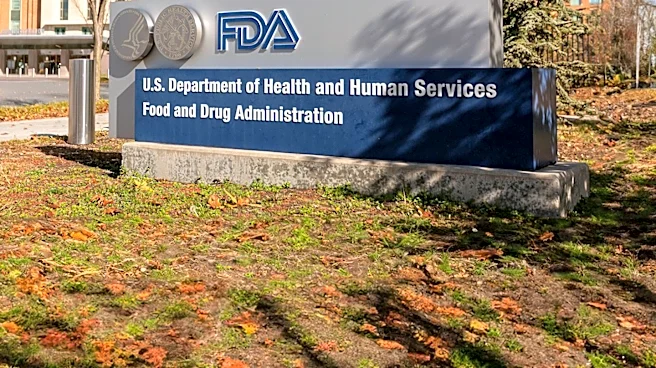
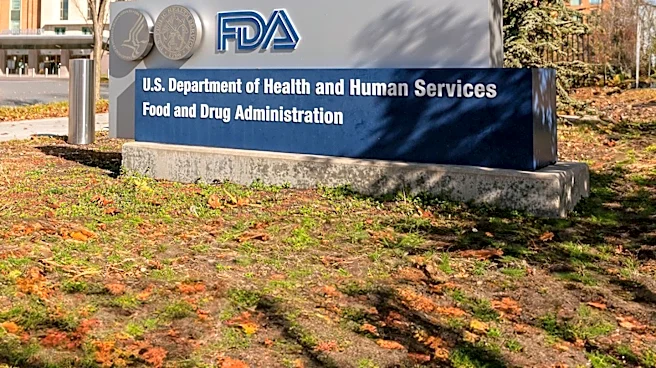
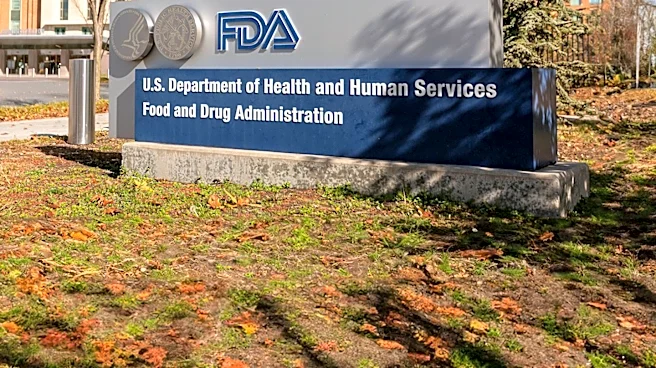
treatment for most shipments valued at $800 or less in August 2025, introduce more detailed shipment information and a customs bond for certain international mail. While the regulations do not explicitly ban personal prescription shipments, they add documentation and processing requirements that could significantly impede their delivery. Pharmacies like Maple Leaf Meds and Canada Pharmacy Online have already warned customers about potential disruptions, with some temporarily suspending shipments to the U.S. The changes are part of broader efforts to collect customs duties, enforce import laws, and prevent illicit drugs from entering the country, but advocates fear they will inadvertently block legitimate prescription orders. Historically, the Food and Drug Administration (FDA) has exercised enforcement discretion for personal-use medications, allowing some shipments to proceed despite federal restrictions. However, Canadian pharmacies have been informed that CBP may no longer honor this more permissive approach, potentially blocking drugs commercially available in the U.S.
Why It's Important?
This development is critical for millions of U.S. adults who depend on international pharmacies for cost-effective medications. A 2020 study published in JAMA Network Open estimated that 2.3 million U.S. adults purchased prescription medications from outside the U.S. within a 12-month period. The potential cutoff could lead to significant financial burdens for patients, with some facing hundreds of dollars in increased monthly costs. For example, a 90-day supply of Eliquis from a Canadian pharmacy costs $565, compared to over $1,000 from U.S. retailers. The new requirements could force patients to make difficult choices between their health and financial stability, potentially leading some to forgo necessary medications. This situation also impacts Canadian pharmacies that have built their business around serving U.S. customers, forcing them to reconsider their operational strategies. The issue has drawn attention from lawmakers, with 71 members of Congress urging federal officials to delay the new procedures to ensure personal-use prescription medicines are not blocked, highlighting the widespread concern over access to affordable healthcare.
What's Next?
The immediate future will reveal how U.S. Customs and Border Protection interprets and implements the new requirements, particularly regarding personal prescription imports. The outcome will determine whether the long-standing practice of allowing some personal-use shipments from international pharmacies continues or is effectively halted. Patients are being advised by some pharmacies to stock up on refills before October 22 to mitigate potential disruptions. Lawmakers, including Democratic U.S. Reps. Jan Schakowsky and Mark Pocan, have called for a delay in the new customs procedures until assurances can be made that legitimate personal-use prescription medicines will not be blocked. The response from federal health and homeland security officials to these concerns will be crucial. Additionally, the impact on companies like Zonos, which helps process international shipments, and Canadian pharmacies that rely on U.S. customers, will become clearer as the new rules take effect. The situation may lead to further advocacy efforts from patient groups and industry representatives seeking exemptions or modifications to the new regulations.
Beyond the Headlines
Beyond the immediate financial and access concerns, this situation highlights deeper issues within the U.S. healthcare system, particularly the high cost of prescription drugs compared to other countries. The reliance of millions of Americans on international pharmacies underscores a systemic problem that has driven patients to seek alternatives outside the domestic market. The new customs requirements, while ostensibly aimed at broader import control and preventing illicit drugs, inadvertently expose the vulnerability of a significant portion of the U.S. population to changes in international trade and customs policies. This could reignite debates about drug pricing reform and the need for more affordable healthcare options within the U.S. It also raises questions about the balance between national security and public health, and how regulatory changes can have unintended, far-reaching consequences for everyday citizens. The long-term implications could include increased pressure on U.S. policymakers to address drug affordability, potentially leading to new legislative efforts or changes in pharmaceutical industry practices.