



What's Happening?
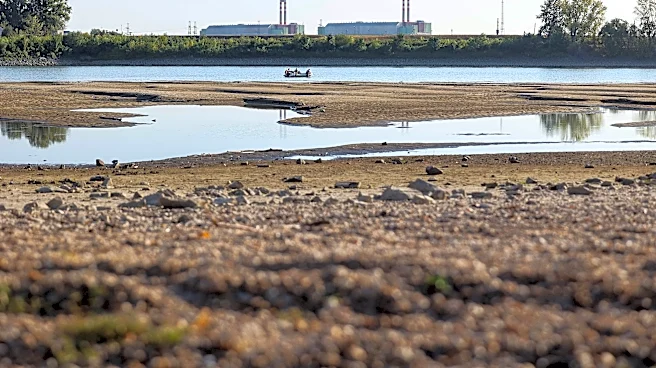
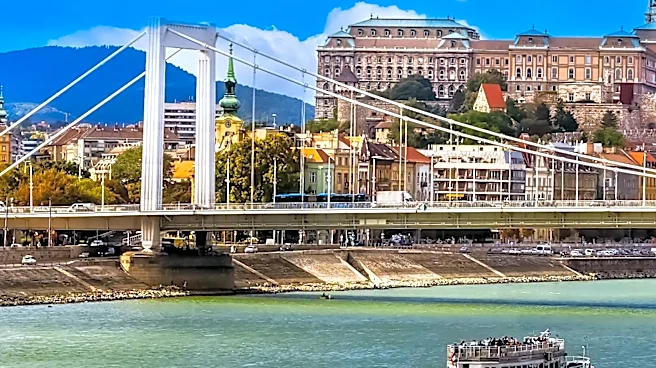
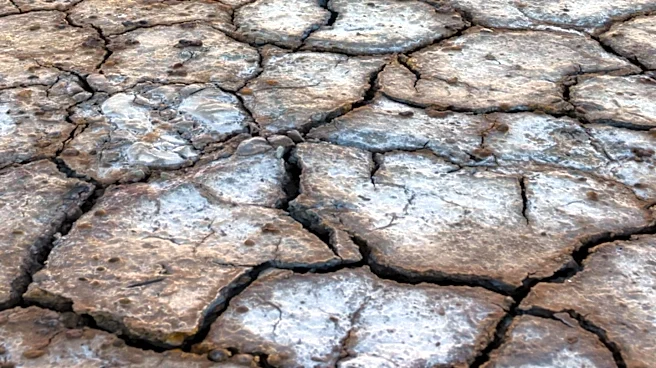
The Danube River, one of Europe's largest rivers, has reached unprecedented low water levels due to a prolonged drought affecting much of Central Europe. This has disrupted tourism and industry, with cruise ships running out of food and water and nuclear
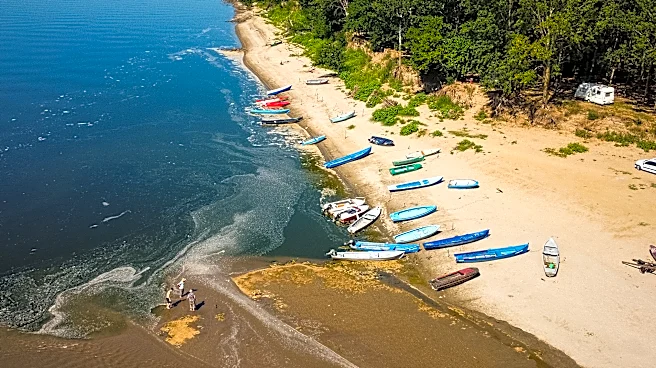
plants shutting down due to insufficient cooling water. The Hungarian Meteorological Service reports that precipitation levels are significantly below average, exacerbating the situation. The drought has exposed rocks, sand bars, and old shipwrecks, highlighting the severe impact of climate change on the region.
Why It's Important?
The low water levels of the Danube River have significant implications for the European economy, particularly in the tourism and energy sectors. Cruise ships, a major tourist attraction, are unable to operate normally, affecting local economies dependent on tourism. Additionally, the shutdown of nuclear plants due to cooling water shortages poses a risk to energy supply and stability. The situation underscores the urgent need for climate adaptation strategies and highlights the broader impact of climate change on infrastructure and economic activities.
What's Next?
As the drought persists, European countries may need to implement emergency measures to manage water resources and support affected industries. Long-term strategies could include investing in water conservation technologies and diversifying energy sources to reduce reliance on water-intensive processes. International cooperation may be necessary to address the transboundary nature of the Danube River and ensure sustainable management of shared water resources.
Beyond the Headlines
The drought in Europe raises questions about the resilience of infrastructure and the adequacy of current climate policies. It highlights the need for comprehensive planning to address the multifaceted challenges posed by climate change. The exposure of historical artifacts and potential hazards like unexploded ordnance also points to the complex interplay between environmental changes and cultural heritage preservation.