




What's Happening?
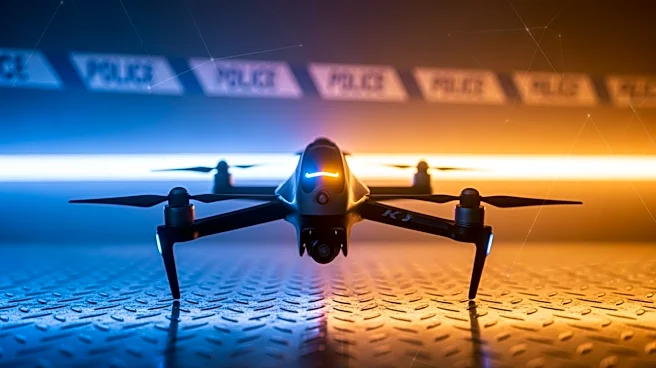
Drone racing pilots, known for their high-speed maneuvering skills, are facing challenges when transitioning to military operations. According to Viesturs Silenieks, chairman of Drone Force Europe, sports drone operators need to relearn flying techniques
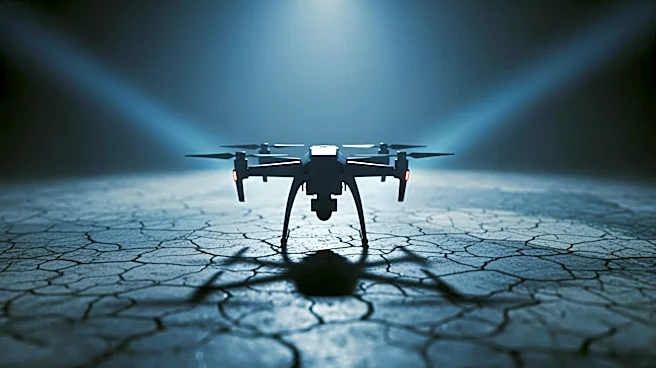
to adapt to combat situations. The fast-paced nature of drone racing contrasts with the slow, patient approach required for military drone operations, where pilots must often wait for extended periods to strike targets. This was highlighted at the Drone Summit in Latvia, where industry and military personnel discussed the differences between sports and military drone piloting. Taras Berezovets from Ukraine's Territorial Defense Forces emphasized the importance of patience and slow movement in military drone operations, which often involve 'sleeping drones' that require operators to wait for the right moment to act.
Why It's Important?
The integration of drone racing skills into military operations is significant as it highlights the evolving nature of warfare, where civilian skills are increasingly relevant. The use of drones in the Ukraine conflict has demonstrated the need for adaptable pilots who can combine speed with strategic patience. This shift underscores the importance of training programs that can bridge the gap between civilian and military drone operations. The U.S. Air Force and other militaries are recognizing the potential of drone racers as future recruits, indicating a broader trend of leveraging civilian expertise in defense strategies. Companies like Performance Drone Works, which transitioned from racing to defense, exemplify the growing intersection between civilian technology and military applications.
What's Next?
As drone technology continues to play a crucial role in modern warfare, training programs are likely to evolve to better integrate civilian skills into military operations. Militaries may increase their participation in drone racing events to identify and recruit skilled pilots. Additionally, the development of specialized training courses, like those initiated by the U.S. Army, will be essential in preparing diverse groups of individuals for military drone operations. The ongoing conflict in Ukraine will continue to serve as a testing ground for new drone strategies, potentially influencing global military tactics and training methodologies.
Beyond the Headlines
The reliance on civilian skills for military drone operations raises ethical and cultural questions about the militarization of hobbies and sports. As drone racing becomes more intertwined with military applications, there may be concerns about the impact on the sport's community and its perception. Furthermore, the adaptation of civilian technology for warfare could lead to discussions about the responsibilities of tech companies in conflict scenarios. The blending of civilian and military roles also poses challenges in maintaining clear boundaries between recreational and combat activities.