

What's Happening?
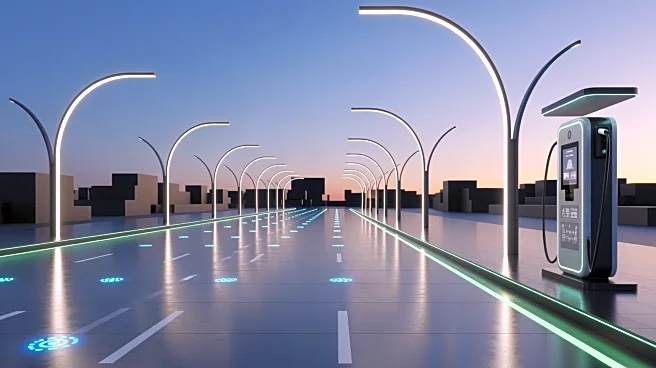
Las Vegas is rapidly advancing its autonomous transport systems, positioning itself as a leading real-world laboratory for next-generation mobility in the United States. The city is integrating various autonomous technologies into its urban infrastructure,
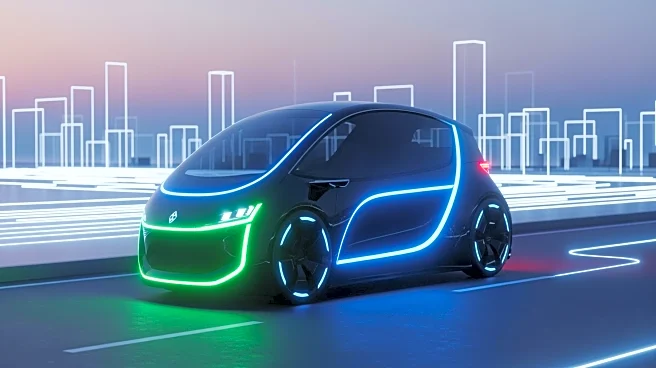
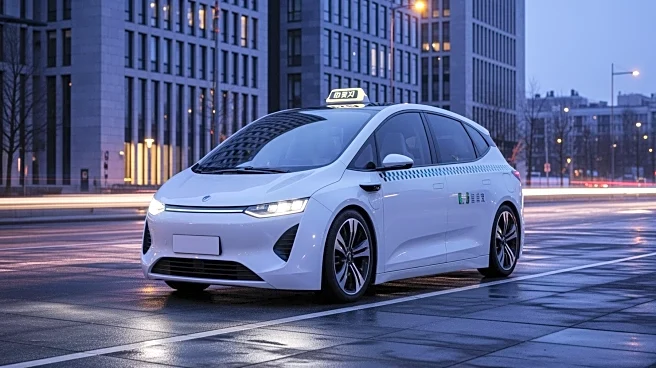
including robotaxis, remotely operated vehicles, automated shuttles, and tunnel-based transport systems. A notable development is the launch of a public robotaxi service by Zoox, an Amazon-owned company, which operates on the Las Vegas Strip. This service marks a significant transition from pilot programs to consumer-facing services. Additionally, Berlin-founded Vay is introducing remotely delivered rental cars, offering a cost-efficient alternative to traditional ride-hailing. The Regional Transportation Commission of Southern Nevada is deploying automated shuttles to connect a downtown transit hub with the Las Vegas Medical District, enhancing healthcare mobility. The Boring Company is expanding its Vegas Loop, a tunnel transport system, which aims to significantly increase passenger capacity. These initiatives collectively represent a shift from experimental deployments to embedding intelligent transport into the city's operational fabric.
Why It's Important?
The developments in Las Vegas are significant as they demonstrate the potential for autonomous transport to become a functional layer of urban infrastructure. By integrating these technologies, Las Vegas is setting a precedent for other U.S. cities, showcasing how autonomous systems can enhance urban mobility, improve transport efficiency, and offer novel visitor experiences. The city's regulatory openness and willingness to embrace large-scale infrastructure experimentation provide a unique proving ground for commercial deployment of autonomous technologies. This could lead to broader adoption across the country, influencing public policy, urban planning, and the future of transportation. The success of these initiatives could also drive economic growth by attracting technology investments and enhancing the city's appeal as a tourist destination.
What's Next?
As Las Vegas continues to expand its autonomous transport infrastructure, other cities may observe and potentially replicate its model. The ongoing development of the Vegas Loop and the integration of autonomous shuttles in healthcare mobility could serve as templates for similar projects nationwide. Stakeholders, including technology companies, urban planners, and policymakers, will likely monitor the outcomes in Las Vegas to assess the feasibility and scalability of such systems. The city's experience may inform future regulatory frameworks and public acceptance strategies, addressing concerns around safety, long-term economics, and the integration of autonomous vehicles into existing urban environments.
Beyond the Headlines
The advancements in Las Vegas highlight the ethical and regulatory challenges associated with autonomous transport. As these technologies become more prevalent, issues such as data privacy, cybersecurity, and the impact on employment in traditional transport sectors will need to be addressed. The city's approach to integrating autonomous systems into its infrastructure could influence cultural perceptions of machine-driven transport, potentially shifting public attitudes towards greater acceptance. Long-term, the success of these initiatives may lead to a reimagining of urban spaces, prioritizing efficiency and sustainability in transport design.