





What's Happening?
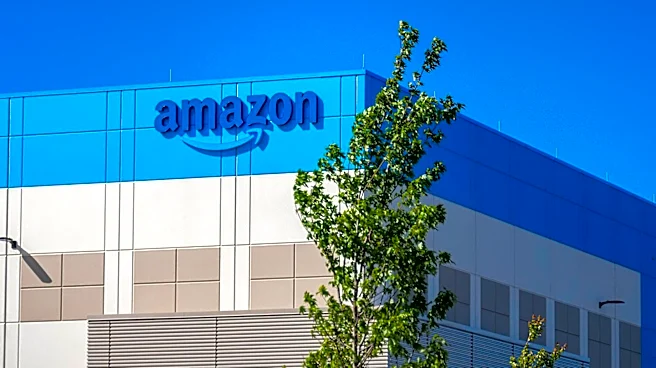
Residents of Richmond County, North Carolina, are expressing significant concerns regarding the environmental impact of Amazon's new $10 billion data center in Hamlet. Local community advocate Shaun Ingram, a Richmond County native, has been vocal about
the potential increase in air pollution from the facility, which is currently under construction. The data center will require approximately 1 gigawatt of energy, exceeding the annual output of the Sharron Harris nuclear plant. To power the facility, Duke Energy will operate temporary 'bridge-power' generators for one year, and Amazon will use emergency backup generators during outages. State officials have approved air permits for a combined 645 generators. Ingram and the Richmond County Coalition for Justice and Black Empowerment argue that these operations will exacerbate existing health issues in a community already facing higher rates of heart disease and lung cancer compared to national averages. The community coalition has been a key source of information for residents about the data center's development.
Why It's Important?
This situation highlights a growing tension between economic development and environmental health in U.S. communities, particularly in areas with existing health vulnerabilities. The approval of air permits for hundreds of generators, despite community concerns about increased air pollution, raises questions about regulatory oversight and the prioritization of corporate interests over public health. The Southern Environmental Law Center argues that the permits should have been combined, triggering more stringent requirements under the Clean Air Act, such as pre-construction air quality monitoring. The lack of an air quality monitor within 30 miles further complicates the assessment of current and future pollution levels. This case could set a precedent for how environmental regulations are applied to large-scale tech infrastructure projects, especially in communities with a history of industrial pollution and health disparities. The long-term health implications for residents, coupled with the perceived lack of transparency in the initial deal-making process, underscore the need for more robust community engagement and environmental impact assessments.
What's Next?
Environmental groups are considering appealing the air permits in court, which could lead to legal challenges and potentially delay the data center's full operation. The data center is expected to begin some operations early next year. Amazon has hosted an open house to address community concerns about sound pollution, environmental impact, and water and energy usage, reassuring residents of their commitment to responsible operation. Amazon spokesperson Roger Wehner stated that generators would be used only for emergencies and routine testing, totaling less than 10 hours per generator for testing. The company is also investing $1.5 million in a local fire department and partnering with the National Fish and Wildlife Foundation to restore longleaf pine forests. However, local advocates like Shaun Ingram view these actions as insufficient to offset the potential environmental and health tolls. The ongoing dialogue between Amazon, local officials, and community groups will likely continue as the project progresses, with potential for further protests or legal actions if residents feel their concerns are not adequately addressed.
Beyond the Headlines
The controversy surrounding the Amazon data center in Richmond County delves into deeper issues of environmental justice and corporate accountability. The community's demographic profile, with higher percentages of Black and American Indian populations and individuals living below the poverty line, suggests a pattern where marginalized communities disproportionately bear the burden of industrial development. The historical context of existing industries contributing to poor air quality further amplifies these concerns. The debate over whether the permits should have been issued as one, triggering more rigorous Clean Air Act requirements, points to potential loopholes in environmental regulations that can be exploited by large corporations. This situation also underscores the power dynamics between large tech companies, local governments eager for economic investment, and residents advocating for their health and well-being. The outcome of this dispute could influence future industrial siting decisions and environmental policy, particularly concerning data centers, which are rapidly expanding across the U.S. and have significant energy and environmental footprints.