






What's Happening?
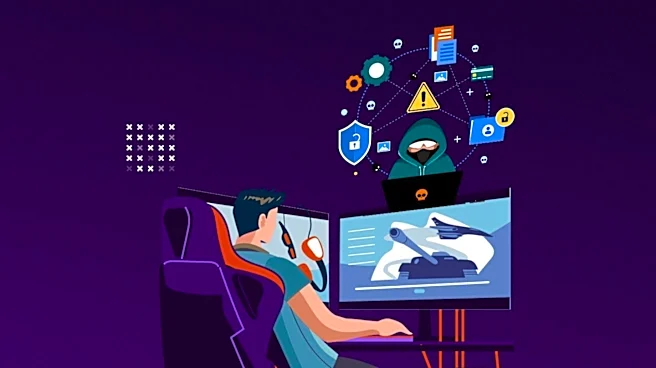
A sophisticated cyberespionage campaign, attributed to the Russian Foreign Intelligence Service group APT29 (also known as Midnight Blizzard or Cozy Bear), has targeted mobile device users through watering hole attacks. According to SC Media and NewsCord,
researchers at Sekoia identified this activity in October 2026. The attackers used three main delivery methods: script injection on legitimate websites, the use of lookalike domains, and a temporary compromise of the Ukrainian analytics platform Plerdy. This campaign exposed visitors to various sites, including those related to Ukrainian military interests, a United States chemical industry association, and international organizations. The hackers exploited n-day vulnerabilities in iOS and Android devices, which had already been patched by software vendors, to silently steal cookies, device data, and Wi-Fi passwords without user interaction. Security experts emphasize that users with up-to-date operating systems are protected from these specific exploit chains.
Why It's Important?
This cyberespionage campaign highlights the persistent threat posed by state-backed actors to U.S. interests and critical infrastructure. The targeting of a U.S. chemical industry association indicates an attempt to acquire sensitive information that could have economic or national security implications. While the exploited vulnerabilities were already patched, the campaign underscores the importance of timely software updates for individuals and organizations. The use of sophisticated techniques, including watering hole attacks and lookalike domains, demonstrates the advanced capabilities of these threat actors. The fact that the exploits were likely acquired from a third-party commercial surveillance vendor also points to a growing market for cyber weapons, making such attacks more accessible and potentially more widespread. This incident serves as a critical reminder for U.S. entities to maintain robust cybersecurity practices and stay vigilant against evolving threats.
What's Next?
To counter such threats, individuals and organizations must prioritize keeping their operating systems and applications updated to the latest versions. Security experts will continue to monitor and analyze these types of campaigns to understand evolving tactics and develop more effective defenses. Law enforcement and intelligence agencies will likely investigate the origins and methods of these attacks further to disrupt future operations. Additionally, there may be increased scrutiny on third-party commercial surveillance vendors, as their tools can be misused by state-backed actors. The ongoing cyber conflict landscape necessitates continuous investment in cybersecurity infrastructure, threat intelligence sharing, and public awareness campaigns to educate users on best practices for digital safety.
Beyond the Headlines
This incident reflects a broader trend of nation-state cyber warfare, where digital espionage is a key component of geopolitical competition. The targeting of a U.S. chemical industry association suggests an interest in industrial secrets or potential vulnerabilities, which could be leveraged for economic advantage or disruptive purposes. The use of previously patched vulnerabilities indicates that many users and organizations may still be at risk if they do not promptly apply security updates, creating a significant attack surface. This campaign also raises questions about the ethics and regulation of commercial surveillance tools, as their availability can empower malicious actors. The silent theft of personal data, even from updated devices, could erode public trust in digital platforms and services, leading to calls for stronger data protection laws and more transparent cybersecurity practices from both governments and technology companies.