


What's Happening?
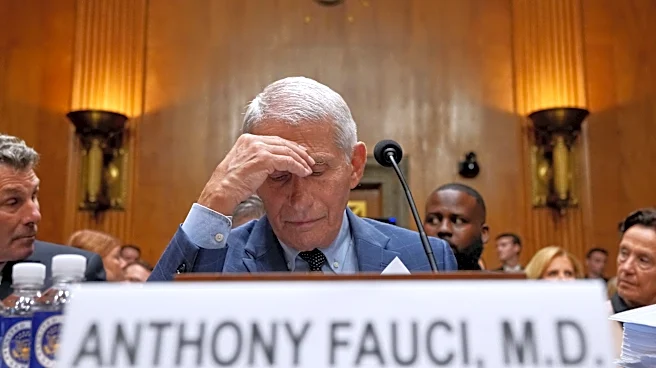
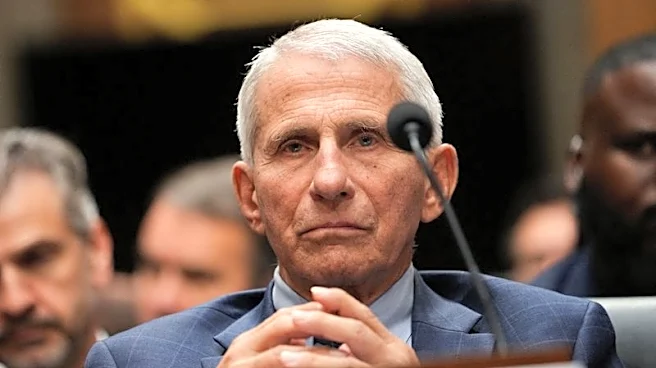
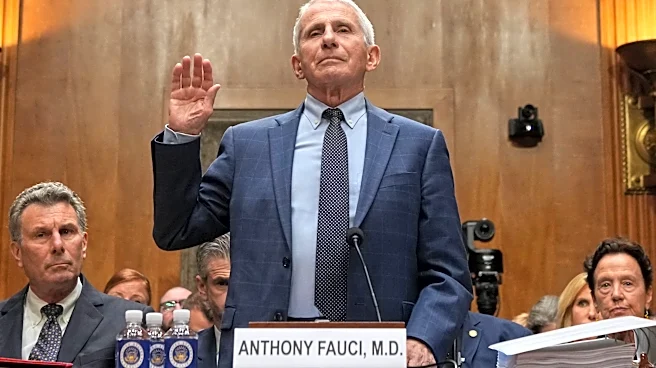
Dr. Anthony Fauci is facing a contempt vote by a Republican-led Senate committee after invoking the Fifth Amendment during a hearing on his handling of the COVID-19 pandemic. Senator Rand Paul, who subpoenaed Fauci, argues that a pardon from President
Biden negates his Fifth Amendment rights. Legal experts suggest Fauci's invocation was justified due to potential legal threats. The committee plans to fast-track a contempt referral to the Justice Department, bypassing a full Senate vote. This situation raises questions about the limits of congressional power to compel testimony from pardoned individuals.
Why It's Important?
The case highlights the complex interplay between executive pardons and congressional oversight. It could set a precedent for how pardoned individuals are treated in congressional investigations, particularly as similar situations may arise with other political figures. The outcome could influence future legislative and judicial actions regarding the balance of powers and the protection of individual rights against self-incrimination. The political implications are significant, as they reflect ongoing partisan tensions and the scrutiny of public health officials' actions during the pandemic.
What's Next?
The Senate committee's decision to refer the contempt charge to the Justice Department could lead to legal proceedings against Fauci. The Justice Department's response will be closely watched, as it may determine the extent to which pardoned individuals can be compelled to testify. The case may also prompt legislative or judicial reviews of the Fifth Amendment's application in similar contexts. Political reactions from both parties could further polarize the debate over accountability and transparency in government.