
What's Happening?
A 2026 survey by ecoAmerica, the American Climate Perspectives Survey, Volume II, reveals significant public support for nuclear energy in the United States. The survey indicates that 81% of Americans
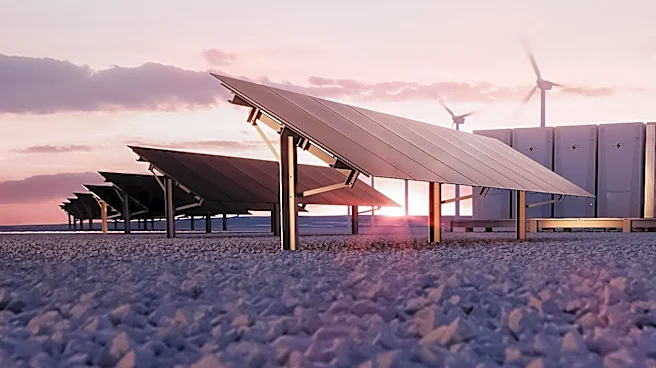
believe using nuclear energy alongside wind and solar is crucial for affordable electricity, with 79% agreeing on its importance for reliability. This transpartisan consensus is evident across Democrats, Republicans, and Independents. Furthermore, 74% of Americans acknowledge that nuclear plants reliably generate a substantial amount of electricity, and 73% view nuclear energy as beneficial for economic growth and pollution reduction. Support for keeping existing nuclear plants operational as long as they are cost-effective or until lower-cost renewable energy is available stands at 72%. The survey also notes a record high in support for research and development (R&D) of next-generation nuclear energy, with 62% of Americans advocating for increased spending, marking a 4-point rise from 2025 and a 6-point increase in bipartisan support over the past year.
Why It's Important?
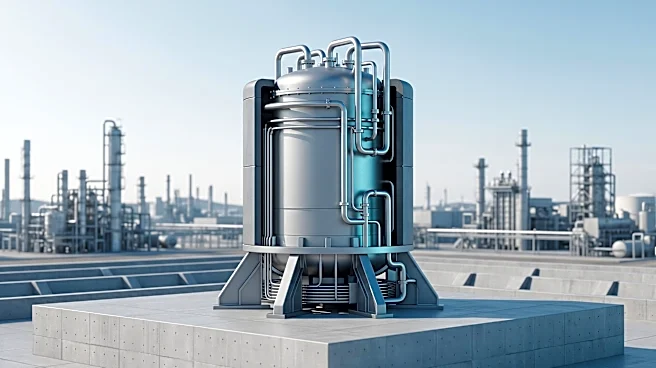
This strong and growing public support for nuclear energy is important for several reasons. It signals a potential shift in the national energy conversation, moving beyond historical concerns to embrace nuclear power as a vital component of a clean and affordable energy mix. The bipartisan consensus suggests that nuclear energy could be a rare area of agreement in a politically divided landscape, potentially facilitating policy advancements and investment. The emphasis on affordability and reliability aligns with current economic pressures and the increasing demand for stable energy sources, especially with the expansion of data centers. Increased R&D support is critical for developing advanced reactor technologies, such as small modular reactors (SMRs), which promise enhanced safety features and potentially lower construction costs. This public backing could empower policymakers and industry leaders to accelerate the deployment of new nuclear projects and extend the lifespan of existing ones, contributing significantly to U.S. energy independence and climate goals.
What's Next?
The sustained public support for nuclear energy, particularly for R&D and its integration with renewables, is likely to influence future energy policy and investment decisions. Policymakers may feel more emboldened to introduce legislation that streamlines licensing processes, provides financial incentives, and supports the development of advanced nuclear technologies. The nuclear industry, in turn, is expected to continue its efforts to reduce costs through innovations like factory-built reactors, addressing the primary concern identified in the survey. Continued public education campaigns highlighting the benefits of nuclear energy in terms of reliability, emissions reduction, and economic growth could further solidify this support. The focus on converting retired coal-fired power plants into nuclear facilities also presents a clear path for future development, potentially revitalizing communities and leveraging existing infrastructure. The ongoing demand from data centers for clean and reliable power will likely serve as a significant driver for new nuclear projects.
Beyond the Headlines
The evolving public perception of nuclear energy reflects a broader societal reckoning with climate change and energy security. The decline in concerns regarding health, safety, and waste disposal since 2018, despite these remaining top concerns, indicates a growing trust in technological advancements and regulatory oversight. However, the rising concern about cost underscores the need for the industry to demonstrate economic viability and efficiency in new projects. The shift towards viewing nuclear power as complementary to wind and solar, rather than a competitor, suggests a more integrated and pragmatic approach to energy planning. This could lead to a more resilient and diversified energy grid, capable of meeting fluctuating demands and reducing reliance on fossil fuels. The long-term implications include a potential resurgence of the nuclear industry, fostering job creation, technological innovation, and a more sustainable energy future for the U.S., provided that cost and waste management challenges are effectively addressed.