


What's Happening?
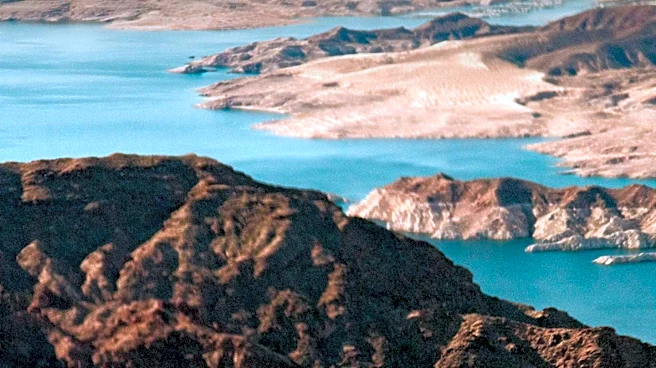
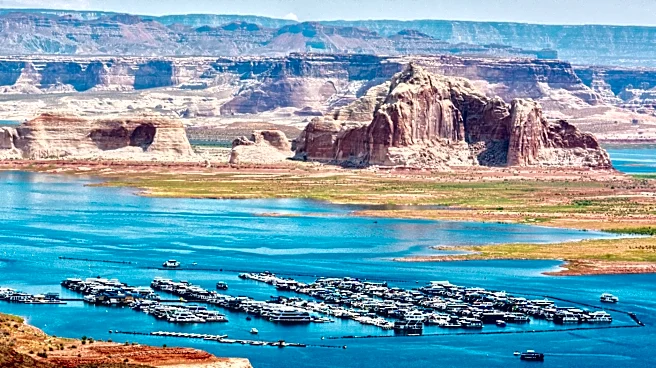
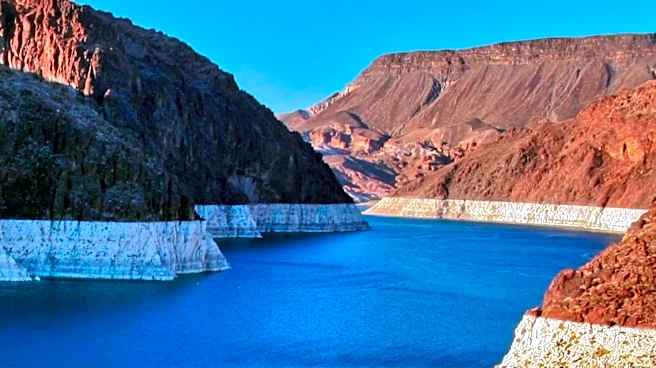
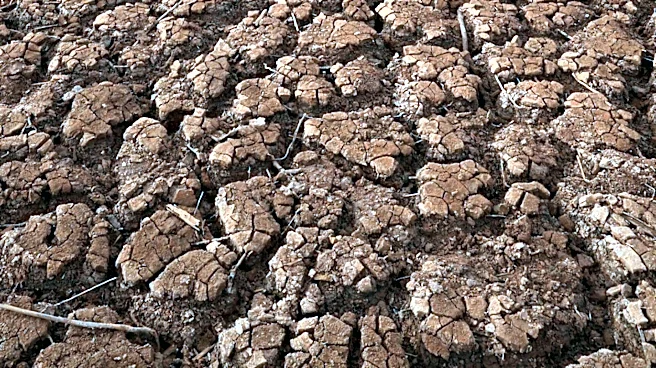
The North American monsoon is expected to bring rain to parts of the drought-stricken Southwest, but experts warn it is unlikely to significantly impact the water crisis affecting Lake Powell and Lake Mead. These reservoirs, critical for the Colorado
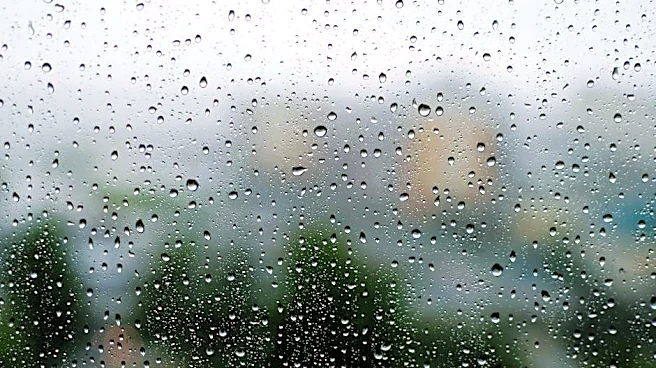
River system, are at severely low levels due to prolonged drought and high demand. As of mid-July, Lake Powell is at 23% capacity, while Lake Mead is at 27%. The monsoon season, which runs from June to September, typically brings thunderstorms and heavy rainfall to the region. However, the reservoirs primarily rely on snowmelt from the Rocky Mountains, and summer rains are not expected to substantially increase water levels.
Why It's Important?
The ongoing water crisis in the Colorado River Basin poses a significant threat to water security for millions of people and agricultural operations in the western United States. The limited impact of the monsoon highlights the challenges of relying on seasonal weather patterns to address long-term water shortages. This situation underscores the need for comprehensive water management strategies and conservation efforts to ensure sustainable water supply in the face of climate change and increasing demand.
What's Next?
The Bureau of Reclamation projects that both Lake Powell and Lake Mead will continue to decline through the end of 2026. Efforts to manage the water crisis will focus on reducing demand and implementing conservation measures. The current operating rules for the reservoirs are set to expire at the end of 2026, prompting discussions on new guidelines for managing water shortages. Stakeholders will need to collaborate on solutions that balance the needs of urban areas, agriculture, and environmental conservation.