


What's Happening?
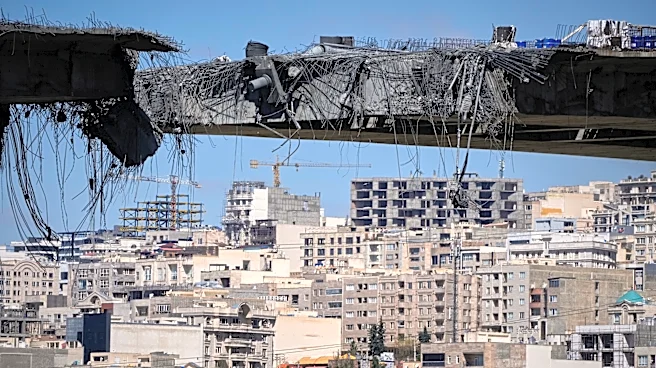
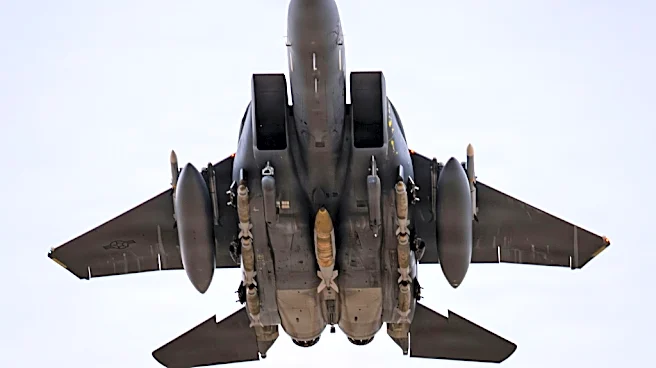
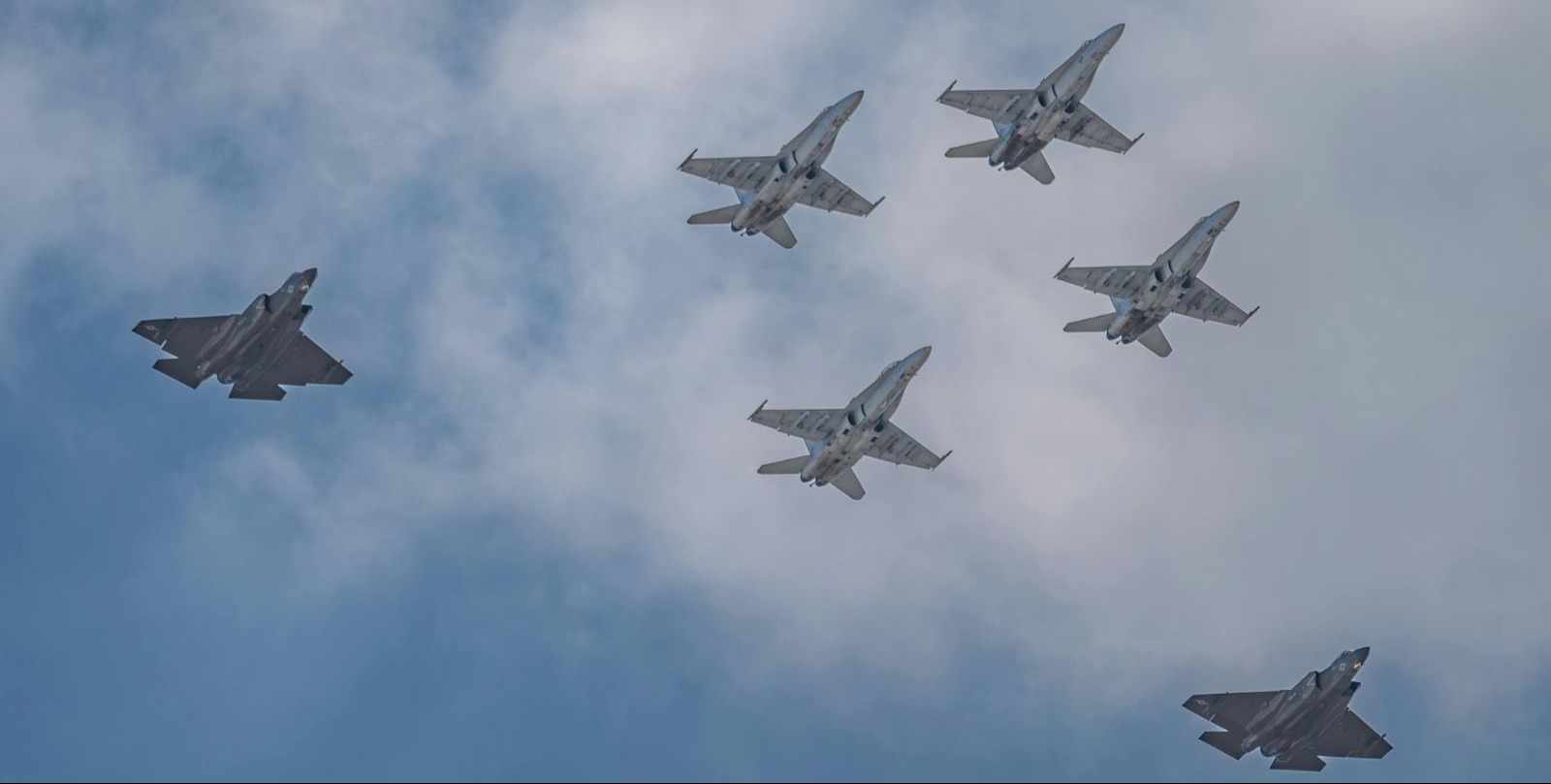
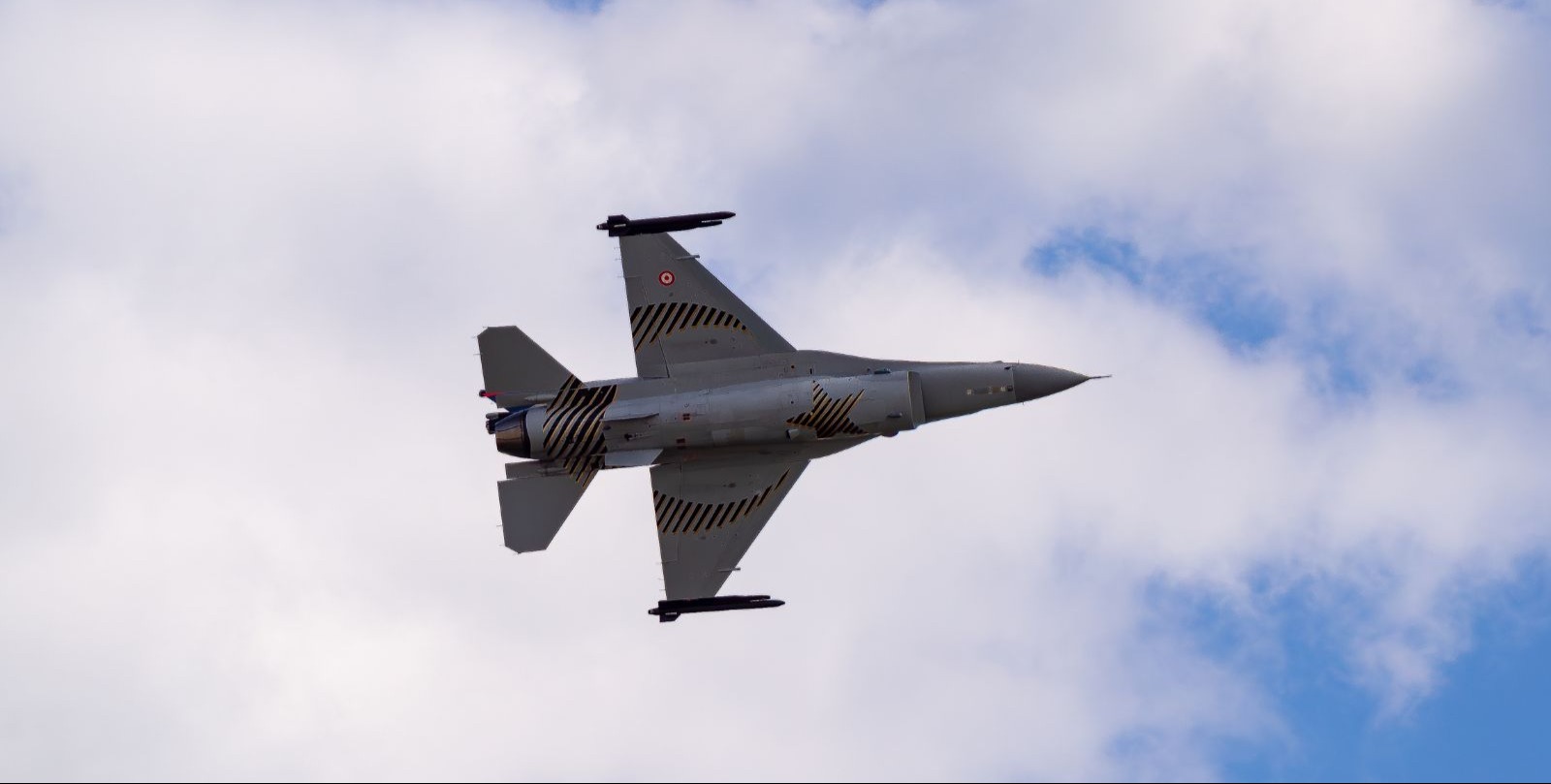
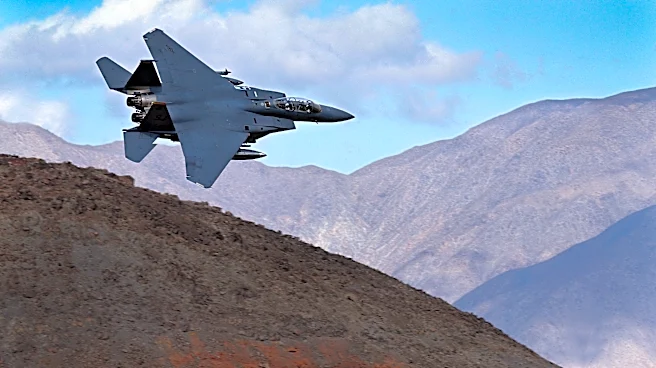
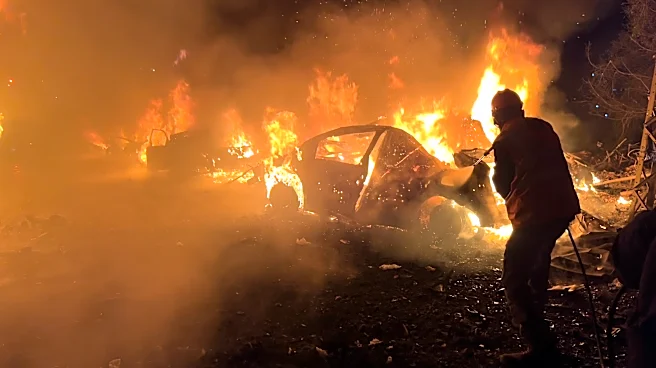
On February 28, 2026, the United States and Israel initiated military strikes against Iran's military and nuclear infrastructure. This action marks a significant shift from decades of diplomatic engagement aimed at moderating Iran's revolutionary ambitions.
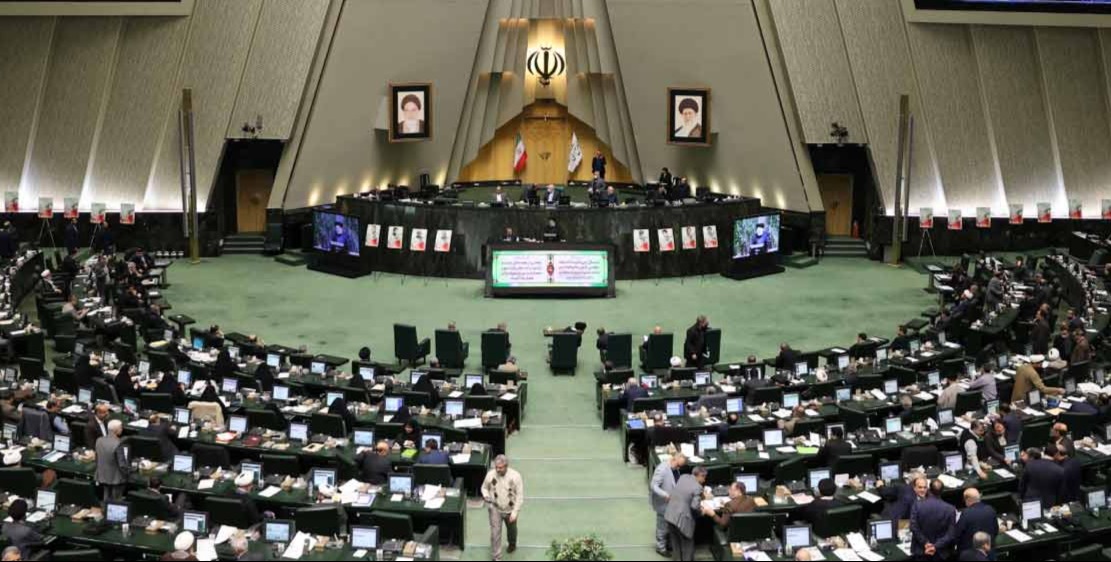
The strikes were a response to Iran's strategic architecture, which includes regional militias and weapons proliferation across Lebanon, Iraq, Syria, and Yemen. These efforts have allowed Iran to exert pressure on Israel without direct interstate conflict. The strikes signify the failure of Western strategies that relied on diplomatic concessions and negotiations, which were perceived as signs of moderation but ultimately facilitated Iran's expansionist goals.
Why It's Important?
The military action against Iran underscores the limitations of diplomatic strategies that have been employed by Western powers for over three decades. The belief that Iran could be integrated into the international order through calibrated pressure and engagement has proven ineffective. Iran's adherence to its revolutionary ideology, driven by the doctrine of Velayat-e Faqih, has allowed it to pursue a transnational Islamic order. The strikes highlight the strategic imbalance between Western powers focused on maintaining stability and Iran's expansionist ambitions. This development could lead to increased regional instability and necessitate a reevaluation of diplomatic approaches to Iran.
What's Next?
The continuation of military conflict between Iran and Western powers is likely, as Iran has dismissed American peace plans and remains committed to its revolutionary goals. The situation may prompt Western leaders to reconsider their diplomatic strategies and explore alternative approaches to address Iran's expansionist activities. The conflict could also lead to further regional tensions, with potential implications for global security and economic stability. Stakeholders, including political leaders and international organizations, may need to engage in more decisive actions to prevent further escalation.
Beyond the Headlines
The strikes against Iran reveal deeper philosophical and strategic differences between Western powers and Iran. While Western diplomacy has been characterized by a 'Will to Comfort,' focused on maintaining stability, Iran's actions reflect a 'Will to Power,' driven by revolutionary ambitions. This ideological divide has contributed to the strategic imbalance and the eventual military confrontation. The situation highlights the need for Western powers to develop strategies that account for Iran's ideological motivations and address the root causes of regional instability.