





What's Happening?
The Lexington-Fayette Urban County Council has voted to extend a moratorium on new data center development through October 2027, following an earlier moratorium set to expire in October of this year. Concurrently, the council unanimously passed a zoning
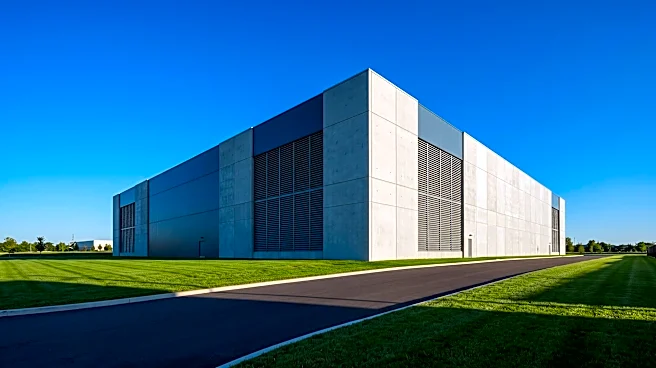
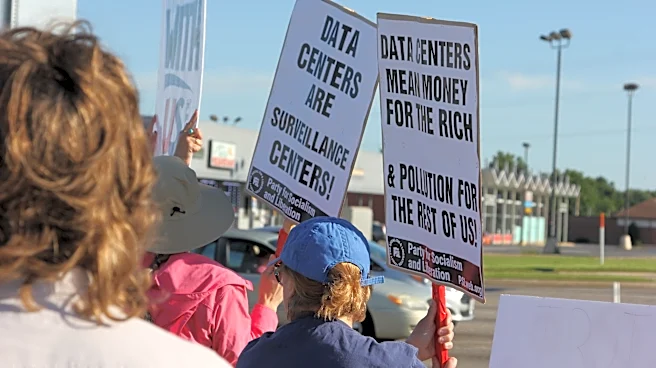
ordinance text amendment (ZOTA) that introduces new regulations for data centers. These regulations prohibit data centers larger than 50,000 square feet, cap energy consumption at 25 megawatts, and impose limits on noise levels. The ZOTA also mandates various zoning plans to assess the potential community impact of such facilities. This decision comes amidst ongoing concerns from residents and local officials regarding the environmental impact, quality of life, and potential increases in energy bills associated with large-scale data centers, particularly those focused on artificial intelligence. The debate intensified after DartPoints, a Texas-based company, purchased a property with plans to redevelop an existing data center, which, as originally described, would exceed the newly established limits.
Why It's Important?
This action by the Lexington-Fayette Urban County Council is significant as it reflects a growing national trend of local governments grappling with the rapid expansion of data centers and their associated environmental and community impacts. The new limits on size, power, and noise directly address concerns about energy consumption, particularly in the context of AI-focused data centers, which are known to be energy-intensive. This could set a precedent for other municipalities facing similar development pressures. The council's decision also highlights the tension between economic development and community well-being, as some industry leaders, like Tucker Ballinger of Forcht Bank and a spokesperson for the University of Kentucky, have expressed concerns about unintended consequences that could limit responsible economic growth and technological advancement for local businesses and healthcare providers. The debate underscores the need for a balanced approach to regulation that supports technological infrastructure while mitigating negative community impacts, especially as national data indicates a majority of Americans are uncomfortable with new data centers in their areas.
What's Next?
The extended moratorium through October 2027 provides Lexington with additional time to develop a more comprehensive regulatory framework for data centers. The council has also requested the planning commission to create a new zoning classification specifically for data centers, which could lead to further public hearings and input on future projects. State Representative Anne Gay Donworth, D-Lexington, indicated that state lawmakers are continuing to work on data center legislation, suggesting potential future state-level regulations that could influence local policies. The immediate impact on projects like DartPoints' proposed redevelopment remains unclear, as the original plans would not be permissible under the new rules. Stakeholders, including technology companies, local businesses, and community groups, will likely continue to engage in discussions to shape future regulations. The ongoing process will aim to distinguish between standalone data centers and essential data infrastructure used by local businesses, ensuring that critical services like banking and healthcare are not inadvertently hampered by the new restrictions.
Beyond the Headlines
The Lexington council's decision delves into deeper implications concerning the future of urban planning and the integration of advanced technology infrastructure within communities. The debate over data centers, particularly those supporting AI, brings to the forefront ethical and environmental considerations. The significant energy demands of these facilities raise questions about sustainable development and the carbon footprint of the digital economy. Furthermore, the discussion about potential zoning in historically Black and brown communities highlights issues of environmental justice and equitable urban development, ensuring that the burdens of industrial growth are not disproportionately placed on vulnerable populations. This local legislative action reflects a broader societal reckoning with the rapid pace of technological change and its tangible effects on local environments and social equity. It underscores the need for proactive governance that anticipates and addresses the multifaceted challenges posed by emerging technologies, moving beyond mere economic incentives to consider holistic community impacts.