


What's Happening?
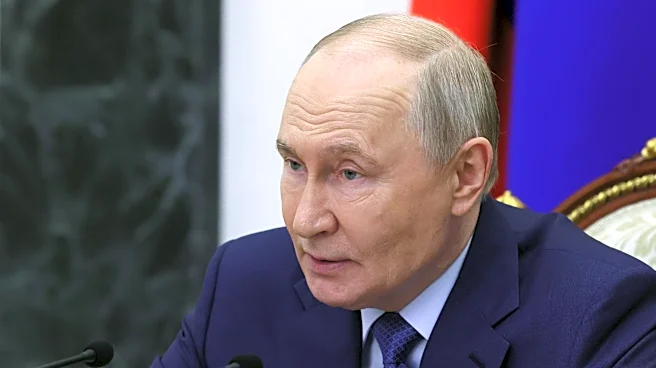
The Kremlin has introduced new measures to simplify the process for residents of Transnistria, a breakaway region of Moldova, to obtain Russian citizenship. This decree, signed by President Vladimir Putin, allows permanent residents over the age of 18
to bypass certain requirements such as proving knowledge of the Russian language, history, and legislation. Additionally, they are exempt from the five-year residency requirement in Russia. This move is framed as a measure to protect the rights and freedoms of individuals, according to Russian state media. Transnistria declared independence from Moldova in the early 1990s, but its independence is not recognized by any United Nations member, including Russia. The region, however, maintains strong ties with Moscow and hosts a Russian military base. The majority of Transnistria's population speaks Russian, and a significant portion holds Russian citizenship.
Why It's Important?
This development is significant as it underscores Russia's continued influence in the region and its strategic interests in maintaining a foothold in Eastern Europe. By easing citizenship requirements, Russia strengthens its ties with Transnistria, potentially increasing its leverage over Moldova, which has been aligning itself with Western powers and aspires to join the European Union. The move could exacerbate tensions in the region, especially given Moldova's recent challenges, including energy crises and political protests. The simplified citizenship process may also be seen as a tactic to bolster pro-Russian sentiment in Transnistria, further complicating Moldova's geopolitical orientation and its relations with neighboring countries.
What's Next?
The decision may prompt reactions from Moldova and its Western allies, who could view this as an encroachment on Moldova's sovereignty. Moldova might seek further support from the European Union and NATO to counterbalance Russian influence. Additionally, this move could lead to increased scrutiny and diplomatic discussions at international forums regarding Russia's actions in Eastern Europe. The situation may also influence Moldova's domestic politics, potentially fueling debates over its foreign policy direction and its handling of relations with Russia.