


What's Happening?
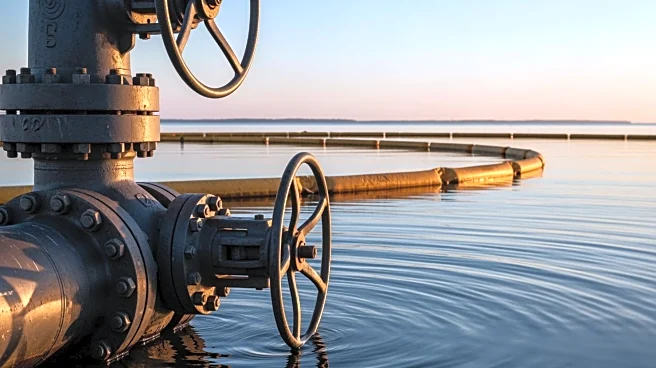
The U.S. Coast Guard is actively responding to an oil spill at the Louisiana Offshore Oil Port (LOOP), the only VLCC-capable loading terminal in the United States. The spill, which began nine days ago, was caused by a material failure of a cargo transfer
hose. An estimated 32,000 gallons of oil were released, but recovery efforts have successfully reclaimed approximately 28,000 gallons, nearly 90% of the spill. Over 460 personnel and 60 vessels are involved in the cleanup operations. LOOP, originally built for importing crude oil, has been exporting since the U.S. lifted its oil export ban in the 2010s. The terminal is connected to significant storage capacities, including 60 million barrels in underground salt caverns.
Why It's Important?
The spill at LOOP highlights the environmental and operational risks associated with oil transportation and storage. As a critical infrastructure for U.S. oil exports, any disruption at LOOP can have significant implications for domestic and international oil markets. The successful recovery of most of the spilled oil demonstrates the effectiveness of current response strategies, but also underscores the need for ongoing vigilance and investment in infrastructure maintenance and safety protocols. The incident may prompt regulatory reviews and policy discussions on improving safety standards and preventing future spills.
What's Next?
Continued cleanup efforts are expected as the Coast Guard and LOOP work to fully address the spill's impact. The incident may lead to increased scrutiny of oil transportation infrastructure and potential regulatory changes to enhance safety measures. Stakeholders, including environmental groups and industry representatives, may engage in discussions on balancing energy production with environmental protection. The situation also serves as a reminder of the importance of robust emergency response plans and the need for ongoing investment in infrastructure resilience.