







What's Happening?
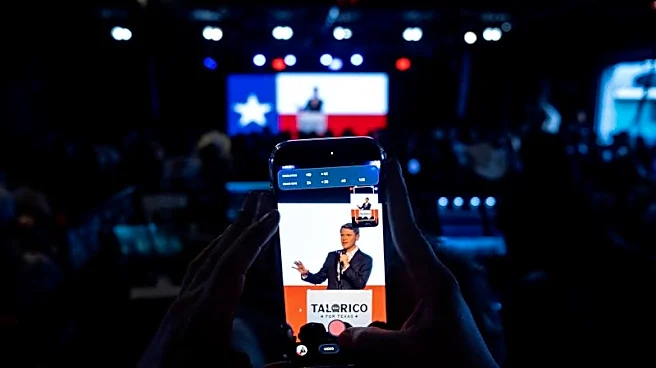
Senator Ted Cruz of Texas has expressed his belief that current gas prices will not significantly impact the upcoming midterm elections. Speaking on CNBC, Cruz stated that he has not seen any data indicating that gas prices are a major concern for voters.
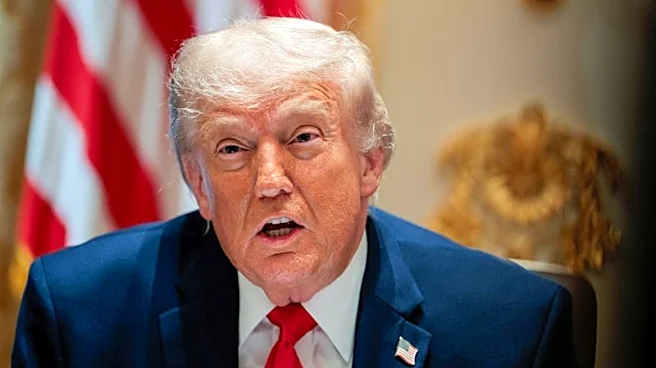
He attributed fluctuations in gas prices to military conflicts in the Middle East, suggesting that a favorable resolution in Iran could lead to lower prices. Cruz also commented on President Trump's decision to strike Iran, calling it the most consequential decision of his second term and supporting the stance of not accepting a 'bad deal' in negotiations with Iran. Despite Cruz's assertions, a PBS News/NPR/Marist poll indicates that 63% of Americans blame President Trump for high gas prices, and interviews with swing voters reveal that gas prices are a significant concern.
Why It's Important?
The discussion around gas prices is crucial as it touches on economic stability and voter sentiment, both of which can influence election outcomes. While Cruz downplays the impact of gas prices on the midterms, public opinion polls suggest otherwise, highlighting a potential disconnect between political rhetoric and voter concerns. High gas prices can strain household budgets, particularly affecting the middle class, and may sway voter preferences towards candidates perceived as more responsive to economic issues. The outcome of the midterms could shape legislative priorities, including energy policies and international relations, especially concerning the Middle East.
What's Next?
As the midterm elections approach, both parties are likely to intensify their focus on economic issues, including gas prices, to appeal to voters. The Republican Party, as suggested by Cruz, aims to maintain control of both the House and Senate, which would influence legislative agendas. Meanwhile, Democrats may leverage public dissatisfaction with gas prices to gain electoral support. The resolution of international conflicts, particularly in Iran, could also play a role in shaping future gas prices and, consequently, voter sentiment.