
What's Happening?
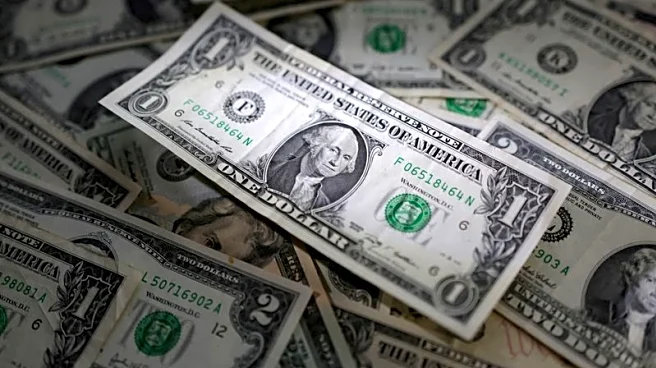
President Donald Trump has proposed a one-year cap of 10 percent on credit-card interest rates, intended to address what he describes as an 'affordability crisis.' This initiative, announced on Truth Social,
coincides with other measures such as directing Fannie Mae and Freddie Mac to purchase $200 billion in mortgage-backed securities. However, the proposal has met with significant resistance from the banking sector. Jamie Dimon, CEO of JPMorgan Chase, labeled the cap as an 'economic disaster,' while Richard Fairbank, CEO of Capital One, warned it could trigger a recession. The American Bankers Association also criticized the plan, citing potential harm to small businesses and the broader economy. Despite the January 20 deadline, no banks have complied, as the cap lacks legislative backing.
Why It's Important?
The proposed interest rate cap could have far-reaching implications for the U.S. financial sector. Banks, which rely heavily on interest from credit cards, argue that such a cap would reduce their profitability and potentially lead to a credit crunch. This could restrict access to credit for consumers and small businesses, slowing economic growth. The proposal also highlights tensions between the administration and major financial institutions, as evidenced by President Trump's lawsuit against JPMorgan Chase following criticism of his plan. The outcome of this initiative could set a precedent for future regulatory actions in the financial industry.
What's Next?
For the cap to be enforced, Congress would need to pass legislation, which seems unlikely given the current opposition from the banking industry. If the cap were implemented, banks might respond by tightening credit standards, increasing fees, or reducing credit limits to mitigate losses. The administration may also face legal challenges from financial institutions. Meanwhile, the ongoing lawsuit against JPMorgan Chase could further strain relations between the government and the banking sector, potentially impacting future regulatory negotiations.