



What's Happening?
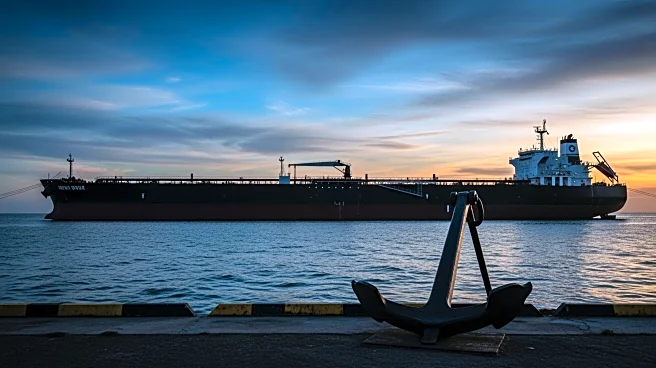
The United States has seized a large oil tanker off the coast of Venezuela, marking a significant escalation in tensions between Washington and Caracas. President Trump confirmed the operation, stating that the U.S. had seized the largest tanker ever,
and hinted at further actions. The tanker, identified as the Panama-flagged 'Skipper', was under U.S. sanctions for its alleged role in transporting Venezuelan and Iranian crude through a shadow oil-shipping network linked to Hezbollah and the Islamic Revolutionary Guard Corps-Quds Force. The U.S. authorities, including the Coast Guard, FBI, and Homeland Security, executed a seizure warrant, boarding the tanker by helicopter. The vessel had recently loaded heavy crude at Venezuela's Puerto José. The Venezuelan government condemned the seizure, calling it 'a blatant theft' and 'international piracy', and vowed to defend its sovereignty and resources.
Why It's Important?
This seizure is part of an intensified U.S. campaign to disrupt illicit oil trade and networks tied to sanctioned regimes, expanding the use of naval power beyond traditional sanctions. The move underscores the U.S.'s strategic focus on Latin America, as highlighted in its latest national security strategy. The seizure could significantly impact Venezuelan crude flows, particularly heavy sour grades crucial for refiners, potentially disrupting global oil markets. The incident also raises questions about the legality of U.S. actions in international waters, as similar operations have been criticized. The Venezuelan government's strong reaction and call for international condemnation highlight the geopolitical tensions and potential for further diplomatic fallout.
What's Next?
The seizure may lead to increased scrutiny and caution among other U.S.-sanctioned oil vessels operating in Venezuela, potentially affecting their operations. Markets will closely monitor any further U.S. actions, as President Trump hinted at additional measures. The situation could lead to further diplomatic tensions between the U.S. and Venezuela, with potential implications for international relations and energy markets. The Venezuelan government's response and any international support it garners will be critical in shaping the next steps in this escalating conflict.