



What's Happening?
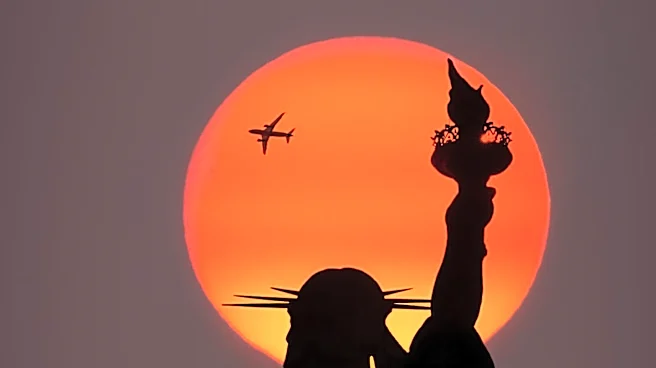
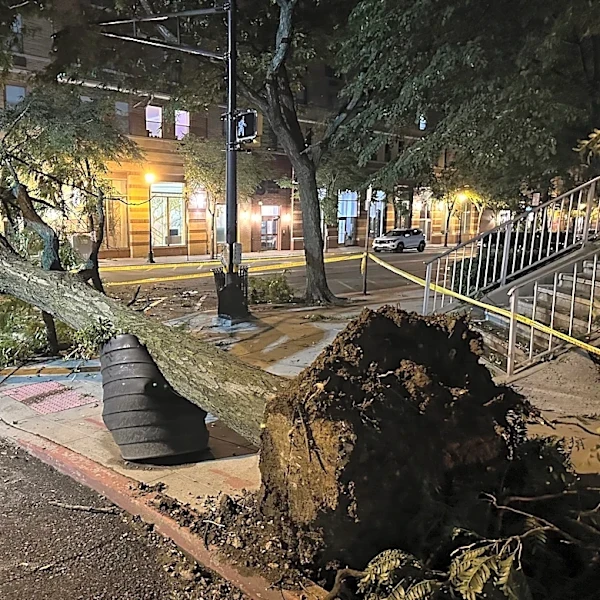
A thunderstorm is forecasted to potentially disrupt the Fourth of July fireworks in New York City, as the city continues to experience sweltering heat. Meteorologists have warned that a storm with possible rain and lightning could move into the area after
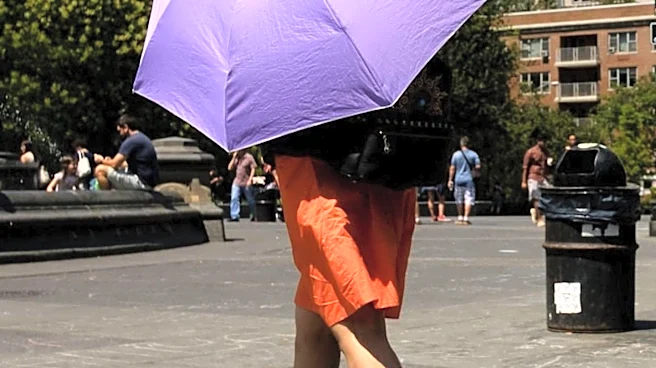
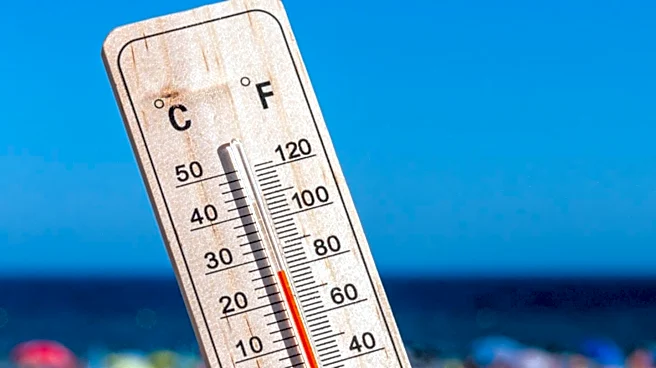
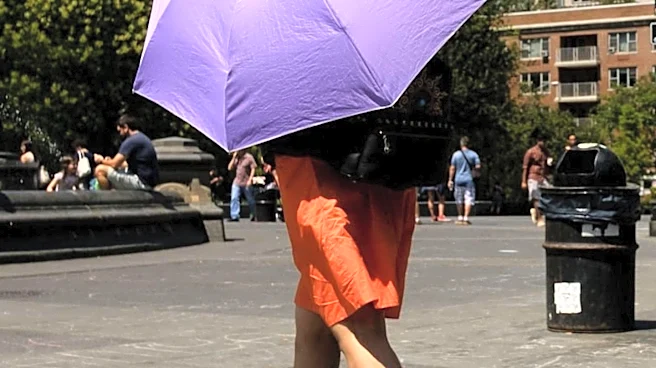
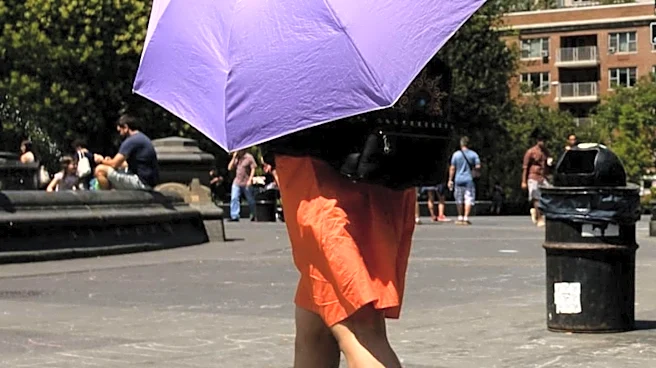
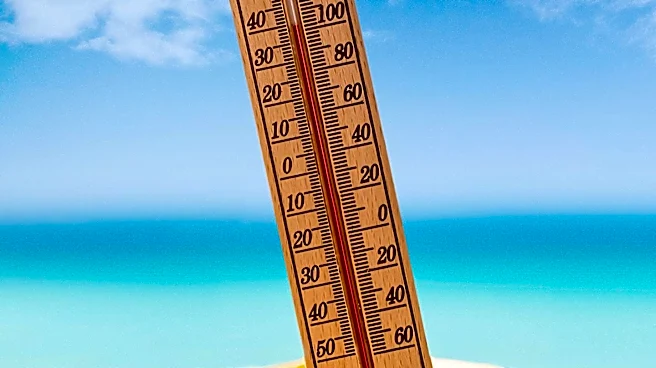
4 p.m. on Saturday, posing a threat to the planned pyrotechnics and those gathered to watch the show. The heatwave gripping the region has already seen temperatures in Central Park reach 100 degrees for the first time in over a decade. Saturday's high is expected to be a humid 95 degrees, with the heat feeling like triple digits due to high humidity. The oppressive weather conditions are described as 'gross' and potentially dangerous, especially for those spending extended periods outdoors.
Why It's Important?
The potential disruption of the Fourth of July fireworks by a thunderstorm highlights the challenges posed by extreme weather conditions, particularly during major public events. The heatwave affecting New York City not only impacts public safety but also places additional strain on infrastructure and emergency services. High temperatures increase electricity demand, potentially leading to power outages, and can cause health issues such as heat exhaustion or heat stroke. The situation underscores the importance of preparedness and adaptability in the face of increasingly frequent and severe weather events, which are often linked to broader climate change trends.
What's Next?
As the heatwave is expected to subside slightly by Sunday, with temperatures dropping to a high of 86 degrees, the immediate focus will be on managing the potential impact of the thunderstorm on Saturday's festivities. Authorities and event organizers may need to implement contingency plans, such as providing shelter options for attendees and ensuring clear communication about weather updates. Looking ahead, the city will likely continue to monitor weather patterns closely and may consider long-term strategies to mitigate the effects of extreme heat and storms, including infrastructure improvements and public awareness campaigns.