




What's Happening?
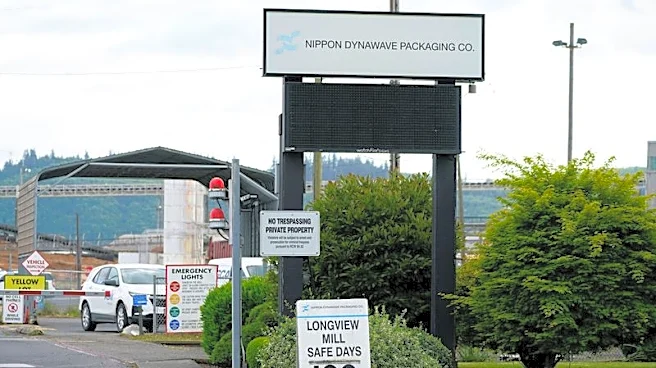
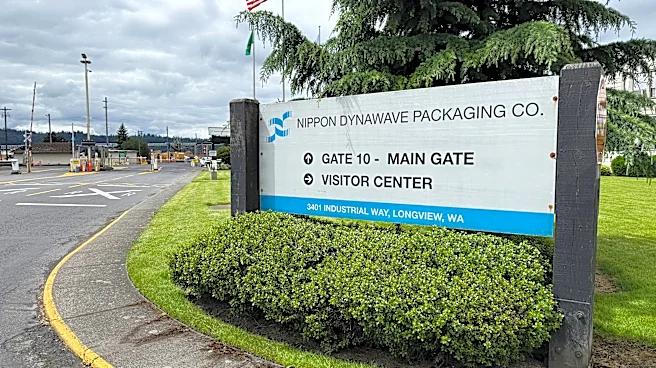
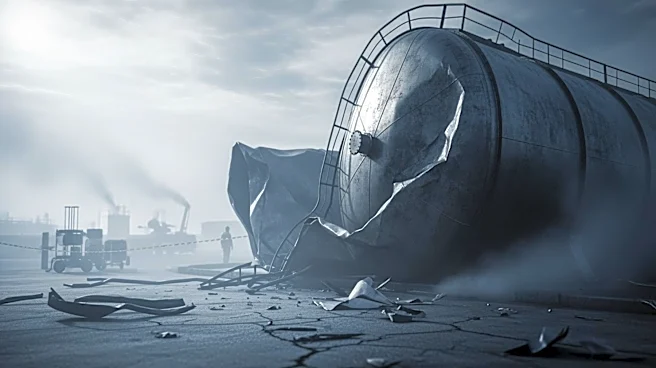
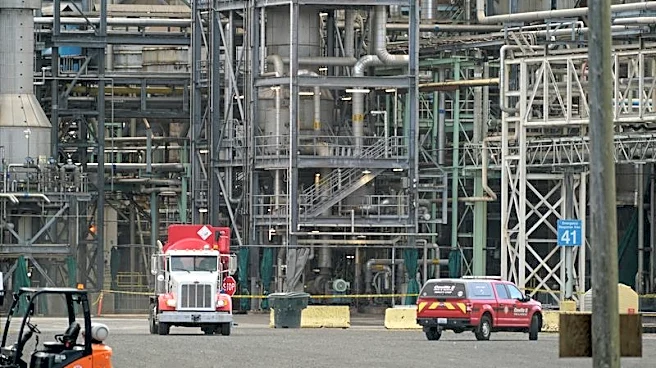
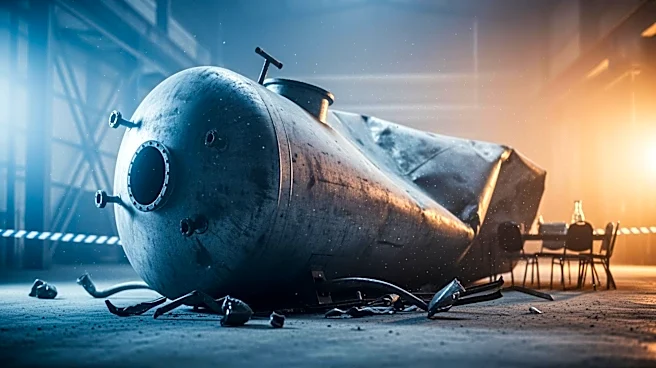
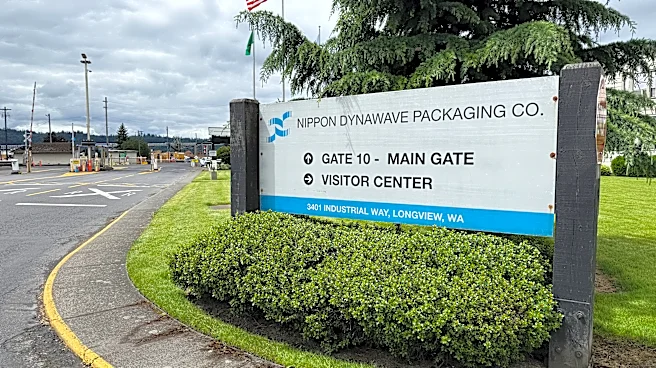
A catastrophic chemical explosion occurred at the Nippon Dynawave Packaging Co. in Longview, Washington, resulting in the deaths of two workers and leaving nine others presumed dead. The incident took place on May 26, when a tank containing approximately
600,000 gallons of 'white liquor,' a chemical used in paper production, ruptured. This event is being described as potentially the deadliest industrial disaster in Washington's modern history. Emergency responders have shifted their focus from rescue to recovery, as the missing workers are believed to be in areas of the plant that remain unsafe for access. The spill has also led to contamination concerns, with some of the chemical reaching the Columbia River, although officials have stated there is no immediate threat to the surrounding community or water supply.
Why It's Important?
The explosion at the Nippon Dynawave facility highlights significant safety and environmental concerns within industrial operations. The incident underscores the potential risks associated with handling large quantities of hazardous chemicals and the need for stringent safety protocols. The disaster has prompted a response from state and local authorities, including the deployment of the National Guard to assist with decontamination efforts. The economic impact on the local community, which relies on the plant for employment, could be substantial, as operations are likely to be disrupted for an extended period. Additionally, the incident may lead to increased regulatory scrutiny and calls for improved safety measures in similar facilities across the country.
What's Next?
Authorities are working to stabilize the remaining chemicals in the ruptured tank to safely continue the search for the missing workers. Once the site is deemed safe, recovery teams will proceed with locating and identifying the deceased. The incident is likely to prompt investigations into the cause of the explosion and whether any safety violations occurred. Community members and local officials are expected to demand answers and accountability from the company. The disaster may also lead to policy discussions at the state and national levels regarding industrial safety standards and emergency response protocols.