








What's Happening?
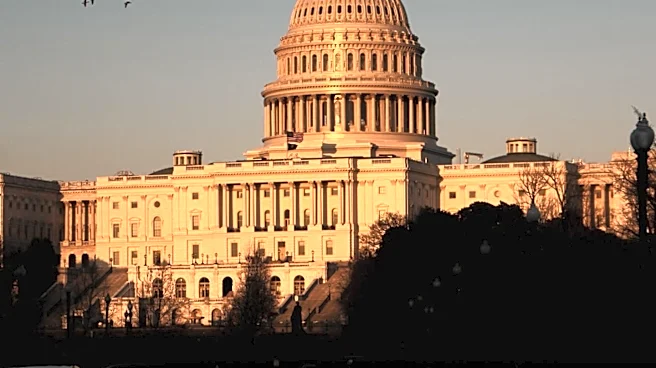
Representative Ami Bera, M.D. (CA-06) has cosponsored the Wildfire Response and Readiness Act, a comprehensive legislative package aimed at strengthening wildfire prevention, improving community preparedness, and providing enhanced support for wildland
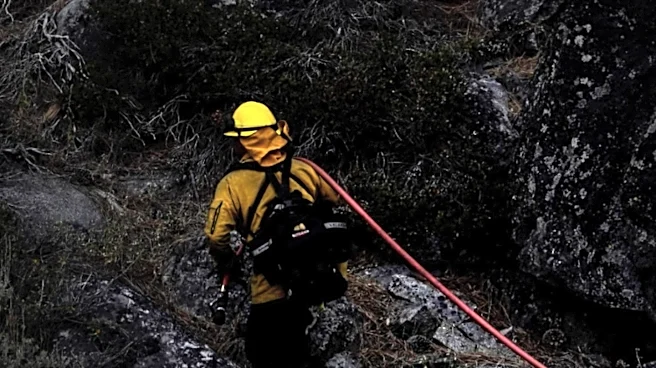
firefighters. This legislation, introduced by Representatives Joe Neguse (CO-02), Jared Huffman (CA-02), Angie Craig (MN-02), Andrea Salinas (OR-06), and George Whitesides (CA-27), consolidates 25 bills from 11 Members of Congress. It also incorporates recommendations from the nonpartisan Wildland Fire Mitigation and Management Commission. The Act focuses on three main areas: building resilient landscapes through investments in prevention, prescribed fire, forest restoration, reforestation, and post-fire recovery; creating fire-safe communities by expanding tools for home hardening, strengthening resilience programs, improving smoke monitoring, and advancing early detection technologies; and supporting wildland firefighters by enhancing pay, leave, retirement benefits, training, and recruitment. Representative Bera highlighted the devastating impact of wildfires in Northern California and across the nation, emphasizing the bill's comprehensive approach to address these challenges.
Why It's Important?
This legislation is crucial for addressing the escalating wildfire crisis in the U.S., which has seen increased frequency and intensity due to factors like climate change and land management practices. By investing in prevention and forest restoration, the Act aims to reduce the risk of catastrophic fires that destroy homes, threaten lives, and strain emergency services. The focus on community preparedness, including home hardening and improved smoke monitoring, directly impacts public health and safety, particularly in regions prone to wildfires. Furthermore, strengthening support for wildland firefighters through better pay, benefits, and training is vital for retaining and recruiting the personnel needed to combat these increasingly complex blazes. The bill's emphasis on a 10-year National Wildfire Plan, developed in coordination with various stakeholders, signifies a long-term, integrated strategy to manage wildfire risk, moving beyond reactive suppression to proactive management. This comprehensive approach is essential for protecting both natural resources and human communities from the growing threat of wildfires.
What's Next?
The Wildfire Response and Readiness Act, having been cosponsored by Representative Bera and introduced by several other Representatives, will now proceed through the legislative process in Congress. Its future will depend on gaining further bipartisan support and navigating committee reviews and floor votes. If enacted, federal agencies will be directed to implement a 10-year National Wildfire Plan, requiring coordination with states, counties, Tribes, and other stakeholders. This will involve significant investment in wildfire prevention, prescribed fire programs, and forest restoration efforts. Communities will likely see expanded access to resources for home hardening and resilience programs, while wildland firefighters can anticipate improvements in their compensation and training. The inclusion of the Strengthening Wildfire Resiliency Through Satellites Act, which establishes a grant program for satellite technology in wildfire detection, suggests a future where advanced technology plays a more significant role in early warning and response systems.
Beyond the Headlines
The Wildfire Response and Readiness Act reflects a broader shift in national policy towards a more proactive and integrated approach to wildfire management, acknowledging that traditional suppression methods alone are insufficient. This legislative effort underscores the growing recognition of climate change's role in exacerbating wildfire risks and the need for systemic solutions. Beyond the immediate benefits of prevention and response, the Act's focus on forest restoration and prescribed burns highlights a move towards ecological forest management, aiming to restore natural fire regimes that have been disrupted by a century of fire suppression. This approach has long-term implications for biodiversity, ecosystem health, and carbon sequestration. The emphasis on supporting wildland firefighters also brings to light the often-overlooked human cost of these disasters, recognizing the physical and mental toll on those on the front lines. The bill's success could set a precedent for how the U.S. addresses other climate-related environmental challenges, emphasizing collaboration, scientific recommendations, and sustained investment.