









What's Happening?
Omaha and Des Moines are taking different approaches to managing homeless encampments as fatalities among unhoused individuals rise in the Midwest. Omaha has launched a pilot program to manage encampments with community involvement, while Des Moines enforces
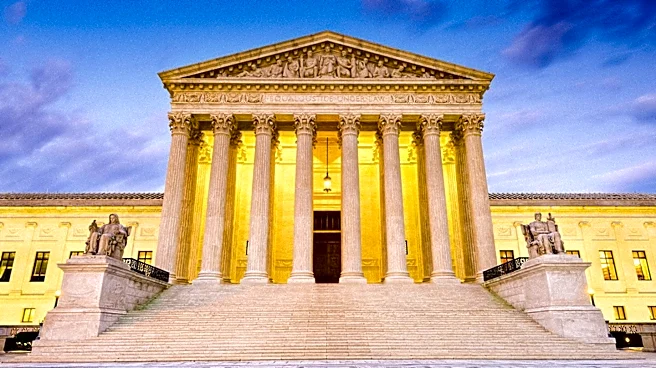
a camping ban, leading to frequent displacement of unhoused individuals. Recent deaths in these communities, including a woman who died of hypothermia in Omaha, highlight the severe risks faced by those living outdoors. The U.S. Supreme Court's 2024 decision in City of Grants Pass v. Johnson allows cities to criminalize unauthorized camping, influencing these policies.
Why It's Important?
The differing strategies of Omaha and Des Moines reflect broader national debates on how to address homelessness. The enforcement of camping bans can lead to increased displacement and anxiety among unhoused populations, potentially exacerbating their vulnerability. Conversely, Omaha's community-focused approach aims to provide support before displacing individuals, though it faces challenges in maintaining trust. These policies have significant implications for public safety, health, and the rights of unhoused individuals, as well as for the allocation of resources and the role of government in addressing homelessness.
What's Next?
As cities continue to grapple with homelessness, the effectiveness of these policies will be closely monitored. Omaha's pilot program may serve as a model for other cities seeking to balance enforcement with compassion. Meanwhile, Des Moines and other cities with camping bans may face legal and ethical challenges as they navigate the consequences of these policies. The ongoing debate over the best approach to homelessness is likely to influence future legislation and public policy at both state and national levels.