

What's Happening?
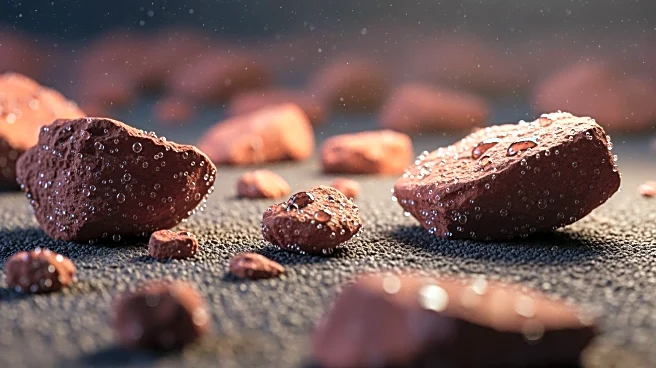
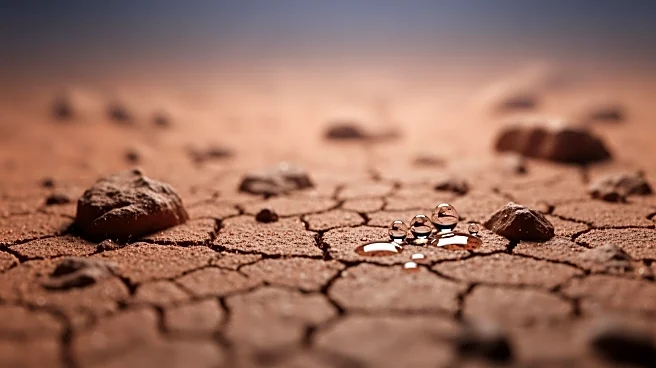
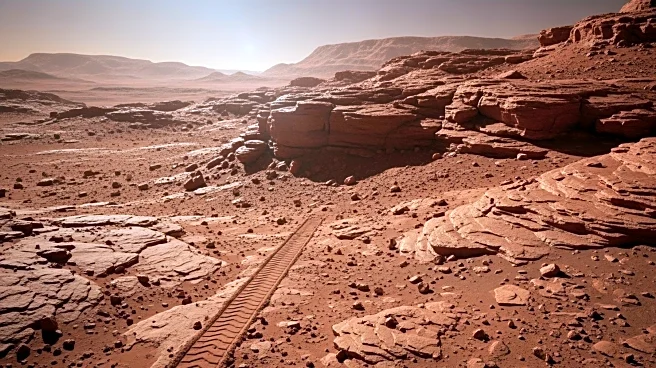
Researchers at Penn State University have conducted experiments using simulated Martian soil to test its effects on tardigrades, microscopic organisms known for their resilience. The study found that certain compounds in the Martian regolith simulants
can damage or inhibit these organisms, with the MGS-1 simulant causing significant stress and dormancy in tardigrades. This discovery suggests that Martian soil may possess a natural defense against contamination from Earthly microbes, a critical consideration for future Mars exploration missions. The research highlights the potential for Martian soil to act as a safeguard against biological contamination, while also presenting challenges for the habitability of the planet.
Why It's Important?
The findings have important implications for planetary protection and the search for life on Mars. The ability of Martian soil to inhibit Earthly microbes could help prevent contamination during exploration missions, aligning with international guidelines to preserve the integrity of potential extraterrestrial ecosystems. However, the presence of harmful compounds also poses challenges for future human colonization and the potential for growing plants on Mars. Understanding the chemical composition of Martian soil and its effects on living organisms is crucial for developing strategies to mitigate these challenges and ensure the success of future missions.