


What's Happening?
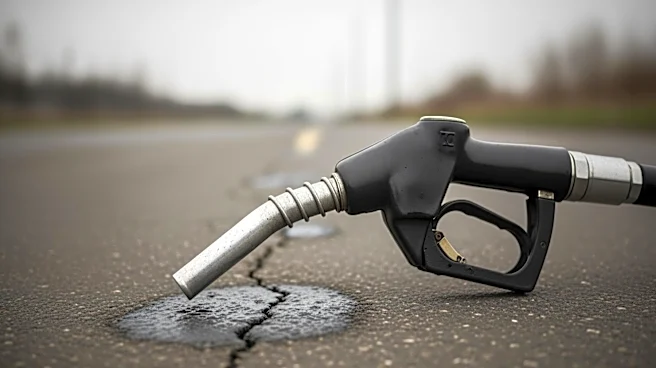
Gasoline shortages in occupied Ukraine have intensified following Ukraine's increased mid-range strike campaign against Russian ground lines of communication. Restrictions on gasoline sales have been implemented in occupied Crimea and Sevastopol, with
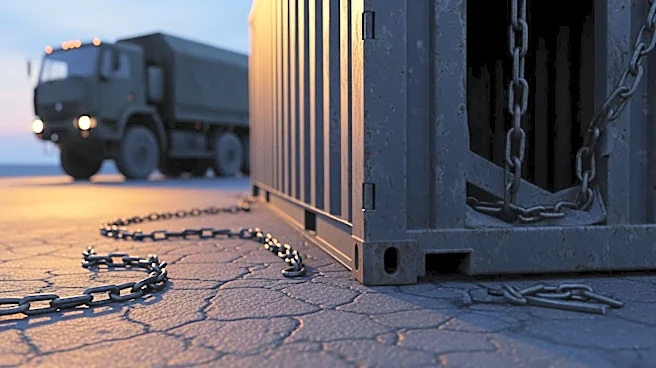
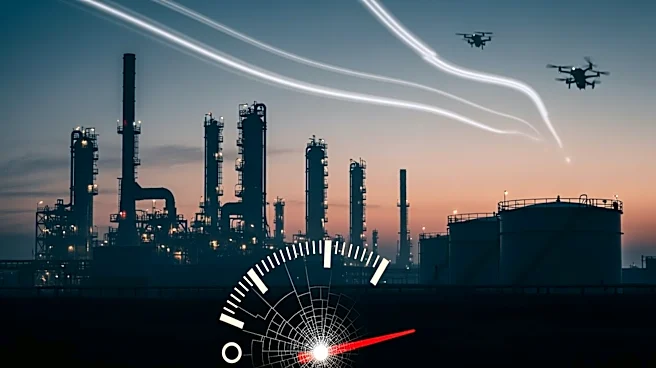
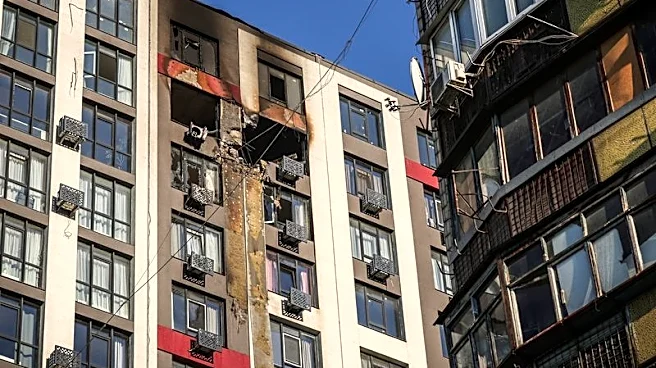
further limitations in Luhansk and Kherson oblasts. Ukrainian military strikes have targeted key highways and fuel trucks, disrupting Russian logistics. Additionally, Ukraine's long-range strikes on Russian energy infrastructure have reduced Russia's refining capacity, contributing to the shortages. While Russia has managed to avoid widespread shortages, the situation in occupied Ukraine remains critical, with potential implications for Russian military operations.
Why It's Important?
The gasoline shortages in occupied Ukraine underscore the effectiveness of Ukraine's coordinated strike campaigns, which have disrupted Russian logistics and energy supply chains. This development highlights the strategic impact of Ukraine's military operations on Russian-controlled territories, potentially affecting Russian military capabilities and civilian life in these areas. The shortages also reflect the broader geopolitical tensions and the ongoing conflict's impact on regional stability. As Ukraine continues its strikes, the situation may further strain Russian resources and influence the dynamics of the conflict.