






What's Happening?
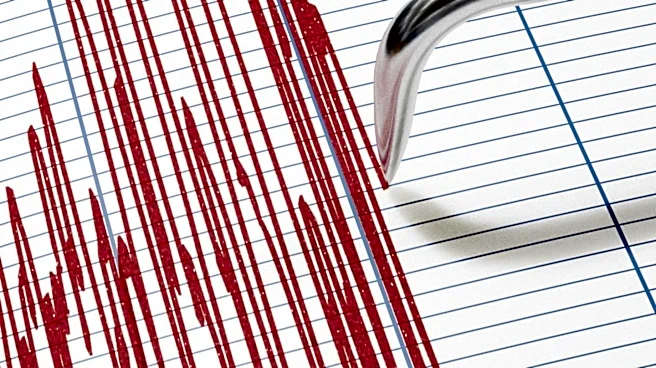
A magnitude 4.2 earthquake occurred in the Puget Sound region on Tuesday, with its epicenter located approximately 3.4 miles west-northwest of Wauna, Washington. The U.S. Geological Survey (USGS) reported the tremor at 2:05 p.m. Shaking was felt across
a 60-mile radius, including Seattle, Olympia, and Tacoma. The earthquake originated at a depth of about 26 kilometers (16 miles). Despite the widespread sensation of shaking, no immediate damage, injuries, or tsunami threats were reported. The Pacific Northwest Seismic Network (PNSN) confirmed that the ShakeAlert Earthquake Early Warning System detected the event but determined it was too small to trigger public alerts via cell phones. Sound Transit temporarily adjusted train operations, asking riders to board all trains on the Federal Way Downtown platform and having 1 Line trains share one track at Angle Lake Station due to the seismic activity. Earthquakes ranging from 2.5 to 5.4 magnitude are typically felt but rarely cause significant damage.
Why It's Important?
This event highlights the ongoing seismic activity in the Pacific Northwest, a region known for its potential for larger, more destructive earthquakes, particularly from the Cascadia Subduction Zone. While a 4.2 magnitude earthquake is considered light and generally causes minor to no damage, it serves as a reminder of the region's vulnerability. The fact that emergency alerts were not triggered for this specific event, due to its low magnitude, underscores the calibrated nature of early warning systems. However, it also brings attention to the critical importance of public awareness and preparedness for more significant seismic events. Previous reports, such as those from the Oregon Department of Emergency Management, have projected severe consequences, including high fatalities, in coastal towns like Seaside, Oregon, if a major Cascadia Subduction Zone earthquake and subsequent tsunami were to occur. This incident, though minor, reinforces the need for continuous monitoring, robust infrastructure, and public education regarding earthquake safety and response in the U.S. Pacific Northwest.
What's Next?
Following this minor earthquake, authorities will likely continue to monitor seismic activity in the region for any potential aftershocks or unusual patterns. The performance of the ShakeAlert system in accurately assessing the need for public alerts will be reviewed, contributing to the ongoing refinement of earthquake early warning protocols. Residents in the Puget Sound area are encouraged to review their personal and family emergency preparedness plans, including earthquake drills and emergency supply kits. Local and state emergency management agencies will continue their efforts to educate the public on earthquake safety, particularly concerning the larger threat posed by the Cascadia Subduction Zone. Infrastructure operators, such as Sound Transit, will maintain their established procedures for inspecting and ensuring the safety of transportation systems after seismic events. The scientific community will analyze the data from this earthquake to further understand the geological dynamics of the region.
Beyond the Headlines
The occurrence of even minor earthquakes in densely populated areas like Seattle subtly influences public perception and preparedness for natural disasters. While this event caused no harm, it contributes to the collective memory of seismic activity, potentially increasing public receptiveness to emergency preparedness campaigns. It also highlights the sophisticated, yet often invisible, infrastructure of seismic monitoring and early warning systems that continuously operate to protect communities. The decision not to issue a public alert for a 4.2 magnitude quake, based on pre-defined thresholds, reflects a balance between informing the public and avoiding 'alert fatigue' for non-threatening events. This incident, therefore, serves as a practical demonstration of how scientific data and policy decisions intersect in real-time disaster management, shaping how communities perceive and respond to the inherent geological risks of their environment.