






What's Happening?
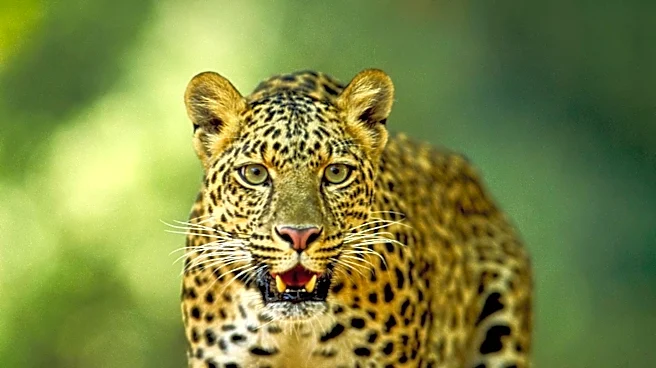
In Pakistan's Khyber-Pakhtunkhwa province, a series of leopard killings have been reported, with the latest incident occurring in the Bajaur district. Residents shot and killed a common leopard, refusing to hand over the animal's skin to the wildlife
authorities. This incident is part of a troubling trend where habitat degradation and declining prey populations are forcing leopards into human settlements, leading to retaliatory killings. Despite existing wildlife protection laws, enforcement remains weak, and convictions are rare. Conservationists are calling for stronger enforcement, community awareness, and improved wildlife management to protect the leopards, which play a crucial ecological role.
Why It's Important?
The continued killing of leopards in Pakistan poses a significant threat to biodiversity and the ecological balance in the region. Leopards help regulate wild herbivore populations, and their decline could lead to overpopulation of these species, affecting vegetation and other wildlife. The situation highlights the broader issue of habitat loss and the need for effective conservation strategies. The lack of enforcement of wildlife protection laws underscores systemic challenges in wildlife management, which could have long-term consequences for the region's natural ecosystems and biodiversity.
What's Next?
Authorities have identified suspects involved in the recent leopard killing and plan to prosecute them under the Khyber-Pakhtunkhwa Wildlife and Biodiversity Act. However, the effectiveness of these actions will depend on the ability to enforce laws and address underlying issues such as habitat loss and prey decline. Conservationists are advocating for comprehensive strategies that include community engagement, compensation for livestock losses, and habitat restoration to prevent further retaliatory killings and ensure the survival of leopards in the region.
Beyond the Headlines
The situation in Khyber-Pakhtunkhwa reflects a broader global challenge of balancing human development with wildlife conservation. The conflict between humans and wildlife is exacerbated by expanding human settlements and agricultural activities, which encroach on natural habitats. Addressing these issues requires a multifaceted approach that includes legal enforcement, community involvement, and sustainable development practices to protect both human interests and wildlife.