



What's Happening?
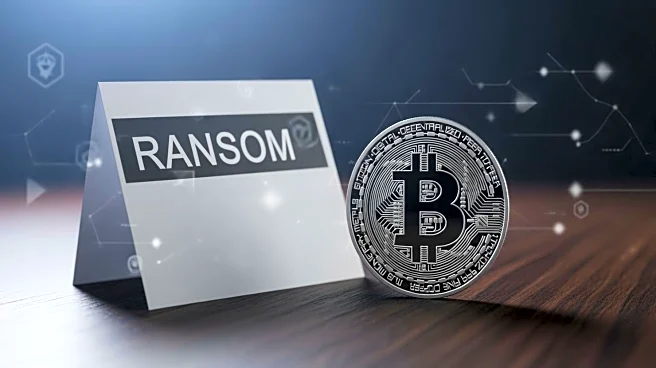
In a significant cybercrime incident, a hacker breached the database of Vastaamo, a Finnish psychotherapy company, exposing the private therapy records of 33,000 patients. The hacker demanded a ransom in bitcoin, threatening to release sensitive personal
information if not paid. This breach included intimate details such as suicide attempts and personal relationships, causing widespread fear and distress among the victims. The incident, which occurred in October 2020, became Finland's largest-ever crime, prompting an emergency government response. The hacker had already published the stolen data on the dark web, making it accessible to an unknown number of people. The Finnish police, after a two-year investigation, identified Julius Kivimäki, a known cybercriminal, as the suspect. He was arrested in France and extradited to Finland, where he was sentenced to over six years in prison.
Why It's Important?
The Vastaamo hack highlights the vulnerabilities in data security, especially concerning sensitive personal information. This breach not only affected the individuals involved but also raised significant concerns about the security of mental health records globally. The incident underscores the need for robust cybersecurity measures in healthcare and other sectors handling sensitive data. It also illustrates the potential psychological impact on victims, who may suffer from increased anxiety and fear of exposure. The case has prompted discussions on improving data protection laws and the responsibilities of companies in safeguarding personal information.
What's Next?
Following the sentencing of Julius Kivimäki, there may be increased pressure on companies to enhance their cybersecurity protocols to prevent similar incidents. Governments might also consider revising data protection regulations to ensure stricter compliance and accountability. The healthcare sector, in particular, could see a push for more secure data handling practices. Additionally, there may be ongoing support and resources provided to the victims to help them cope with the aftermath of the breach.