

What's Happening?
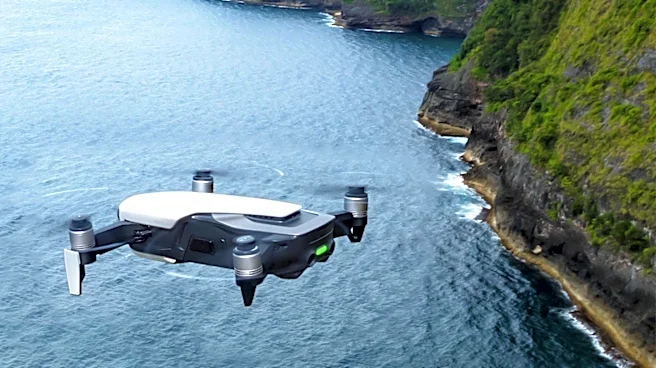
NLD Mod Client is a software solution that allows DJI drone owners to bypass manufacturer-imposed restrictions, such as no-fly zones (NFZ), altitude limits, and signal power limitations. Users report being able to downgrade firmware, activate FCC mode
for increased signal range, and adjust flight parameters to enhance speed and maneuverability. The software is described as user-friendly, with many users expressing satisfaction with the ability to regain control over their drones. This includes flying in areas previously restricted by geofencing and achieving greater flight distances and speeds. The client is compatible with various DJI models, including Mavic Pro, Spark, Phantom 4, and Inspire 2, though specific features may vary by drone model and firmware version. Many users highlight the ease of installation and the significant improvement in their drone's performance and usability.
Why It's Important?
This development is significant for the drone community, particularly for hobbyists and commercial operators who feel constrained by manufacturer restrictions. The ability to bypass geofencing and altitude limits allows for greater flexibility in drone operation, potentially opening up new possibilities for aerial photography, videography, and other applications. For commercial users, this could mean increased efficiency and the ability to complete tasks in previously inaccessible areas, provided they adhere to local aviation regulations. However, it also raises concerns about regulatory compliance and safety, as bypassing manufacturer safeguards could lead to operations in restricted airspace or at unsafe altitudes. The widespread adoption of such tools could prompt regulators and manufacturers to re-evaluate current drone policies and technologies to ensure public safety and responsible drone use.
What's Next?
The continued use and development of tools like NLD Mod Client will likely lead to ongoing discussions between drone manufacturers, regulatory bodies, and the drone user community. Manufacturers like DJI may respond by implementing more robust anti-tampering measures or by offering more customizable options within their official software. Regulators, such as the FAA in the U.S., might consider stricter enforcement of no-fly zones and altitude limits, or they could explore new frameworks that balance user freedom with public safety. The drone community will likely continue to seek ways to maximize the utility of their devices, potentially leading to further innovations in third-party modifications or a push for more open-source drone platforms. The long-term impact will depend on how these various stakeholders adapt to the evolving landscape of drone technology and user demands.
Beyond the Headlines
The emergence of tools like NLD Mod Client highlights a broader tension between product ownership and manufacturer control in the digital age. Consumers increasingly expect to have full control over the devices they purchase, while manufacturers often implement restrictions for safety, legal, or commercial reasons. This dynamic is not unique to drones but is seen across various tech sectors, from smartphones to smart home devices. The ethical implications of bypassing manufacturer safeguards are complex, balancing individual freedom with collective safety and regulatory compliance. This situation also underscores the ongoing challenge of regulating rapidly evolving technologies, where innovation often outpaces legislative and policy development. The debate over who ultimately controls a purchased device—the owner or the manufacturer—is likely to intensify as technology becomes more integrated into daily life.