




What's Happening?
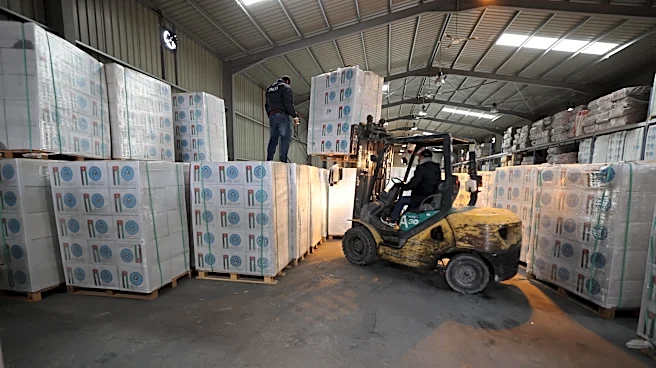
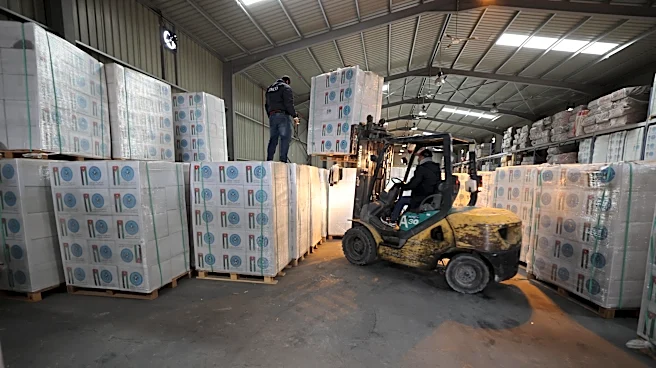
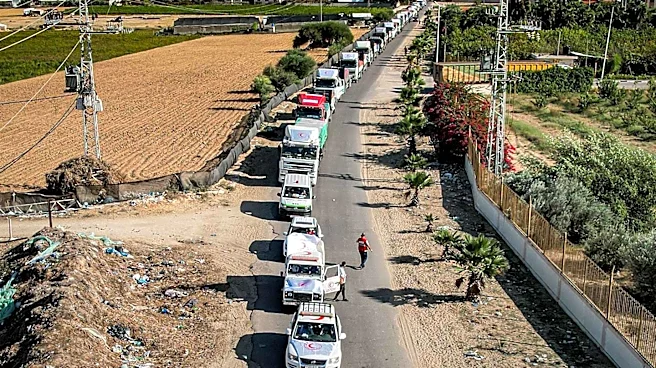
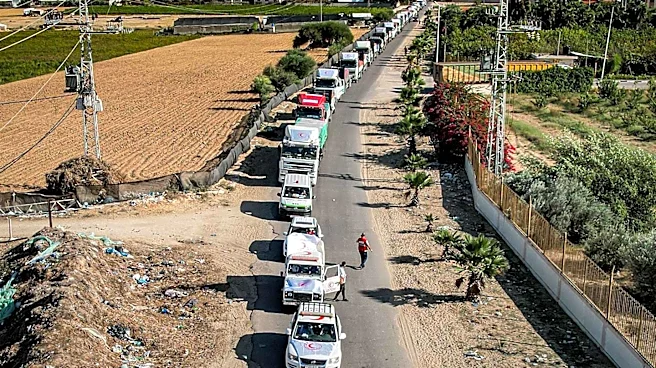
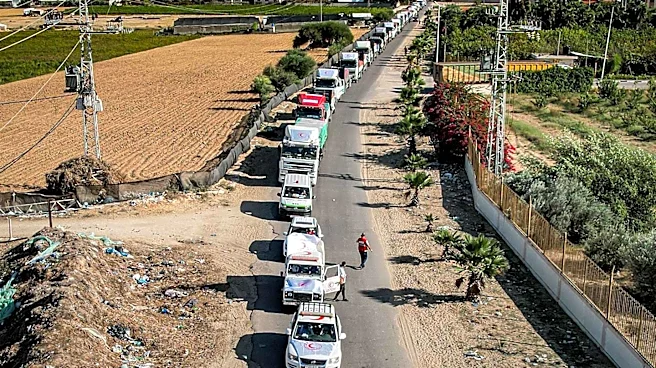
Humanitarian aid deliveries to Gaza have seen a substantial decrease, with a 42% fall in the number of trucks offloaded between November 2 and 8 compared to the previous week. This reduction is primarily attributed to Israel's suspension of the Egyptian
corridor, citing concerns over smuggling. During a specific period from November 3 to 8, no trucks were offloaded at all. The United Nations Office for the Coordination of Humanitarian Affairs (OCHA) also noted that reduced aid volumes available to partners due to funding constraints contributed to the overall decline. This situation is exacerbated by heavy rainfall since November 6, which has flooded tens of thousands of tents housing displaced Palestinians, affecting 46,000 households and destroying over 6,000 family shelters. Respiratory illnesses are on the rise, with 33,000 more cases than the previous year. International bodies, including the Council of the European Union and foreign ministers from Australia, Canada, Italy, and the United Kingdom, have expressed grave concerns, urging Israel to allow immediate and unimpeded humanitarian access.
Why It's Important?
The significant reduction in humanitarian aid to Gaza has severe implications for the already dire living conditions of its population. The suspension of the Egyptian corridor and the overall decrease in aid deliveries mean that essential supplies, including food, medical equipment, and shelter materials, are not reaching those in desperate need. This situation is particularly critical as winter approaches and heavy rains continue to cause widespread flooding, destroying temporary shelters and increasing health risks. The inability to deliver sufficient aid undermines international efforts to alleviate suffering and could lead to a further deterioration of the humanitarian crisis. The calls from multiple international bodies highlight the global concern over the situation and the urgent need for unimpeded access for humanitarian assistance. The ongoing restrictions on aid entry also raise questions about adherence to international humanitarian law and the responsibilities of all parties involved in ensuring civilian protection and access to basic necessities.
What's Next?
The immediate future for Gaza's humanitarian situation remains precarious. International pressure on Israel to reopen all Gaza border crossings and allow unimpeded humanitarian access is expected to continue. Foreign ministers from several nations have explicitly called on Israel to stop delays and permit the entry of essential supplies, including 150,000 tents currently held at the border. The UN and other aid organizations will likely continue to advocate for increased funding and operational space to deliver aid effectively. However, if the current restrictions persist, the humanitarian crisis is projected to worsen, especially with the full onset of winter. This could lead to increased mortality rates from preventable diseases, malnutrition, and exposure. The international community will be closely watching for any changes in policy regarding aid corridors and the facilitation of humanitarian operations, as the current trajectory points towards a deepening crisis.
Beyond the Headlines
Beyond the immediate crisis of aid shortages, the situation in Gaza highlights deeper issues concerning the politicization of humanitarian assistance and the challenges of operating in conflict zones. The Israeli justification for suspending the Egyptian corridor due to 'smuggling concerns' underscores the complex security dynamics that often impede aid delivery, even when civilian lives are at stake. This raises ethical questions about the balance between security imperatives and humanitarian obligations. Furthermore, the discrepancy between the aid volumes pledged under ceasefire deals and the actual deliveries, as reported by Haaretz, points to a potential lack of transparency and accountability in humanitarian operations. The long-term implications include a further erosion of trust between affected populations and aid providers, and a potential re-evaluation of international mechanisms for ensuring humanitarian access in protracted conflicts. The ongoing suffering in Gaza also serves as a stark reminder of the devastating human cost when political and security considerations overshadow fundamental humanitarian principles.