




What's Happening?
A group of over 100 U.S.-based international law experts has expressed concerns about potential violations of the law of armed conflict (LOAC) by U.S. forces in the Middle East. The experts published a letter highlighting incidents where U.S. military
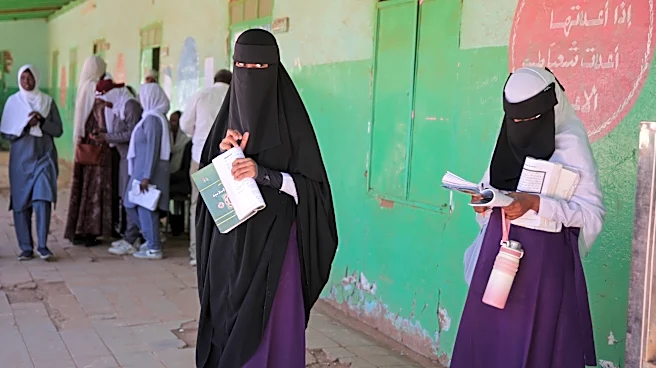
actions may have targeted civilians and civilian infrastructure, including schools and energy facilities. The letter specifically mentions a U.S. cruise missile strike on the Shajareh Tayyebeh Primary School, which resulted in civilian casualties. The letter suggests that this strike may have violated international humanitarian law and could potentially be classified as a war crime if recklessness is proven. The authors of the letter call for a thorough investigation into these incidents to ensure compliance with international legal obligations.
Why It's Important?
The allegations of LOAC violations by U.S. forces have significant implications for U.S. military operations and international relations. If proven, these violations could undermine the legitimacy and strategic interests of U.S. military actions in the region. The potential classification of these incidents as war crimes could lead to legal and diplomatic repercussions, affecting the U.S.'s standing in international forums. Furthermore, these concerns highlight the importance of adhering to international humanitarian law to maintain the efficacy and morality of military operations. The call for investigation emphasizes the need for transparency and accountability in military decision-making processes.
What's Next?
The letter's authors urge a comprehensive investigation into the alleged LOAC violations to determine the accuracy of the intelligence used in targeting decisions. Such investigations could lead to changes in military protocols and practices to prevent future mistakes. The U.S. Department of Defense may face pressure to review its operational strategies and intelligence assessments to ensure compliance with international law. Additionally, the international community may closely monitor the outcomes of these investigations, potentially influencing diplomatic relations and military cooperation with other nations.
Beyond the Headlines
The broader implications of these allegations extend to ethical and legal dimensions of military operations. The focus on civilian casualties and infrastructure damage raises questions about the balance between military objectives and humanitarian considerations. The potential for these incidents to be classified as war crimes underscores the need for rigorous adherence to legal standards in conflict situations. This situation also highlights the challenges faced by military commanders in making decisions based on intelligence assessments, emphasizing the importance of accuracy and reliability in such processes.