



What's Happening?
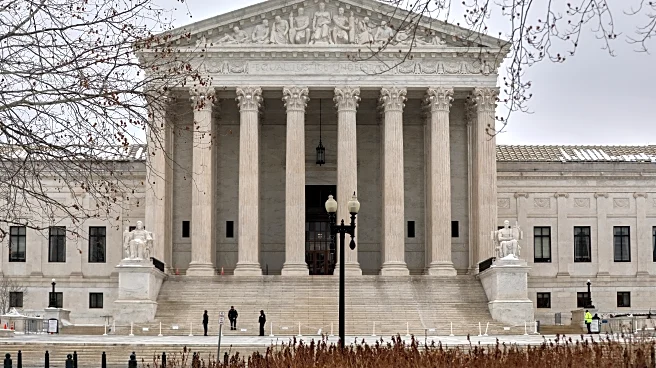
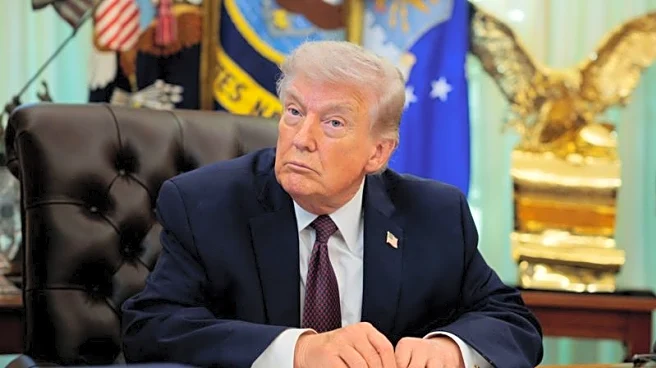
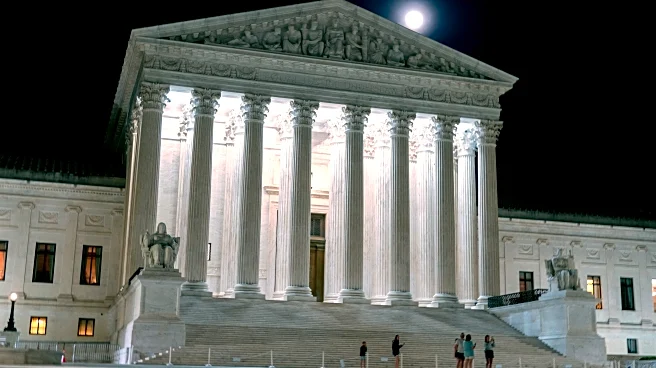
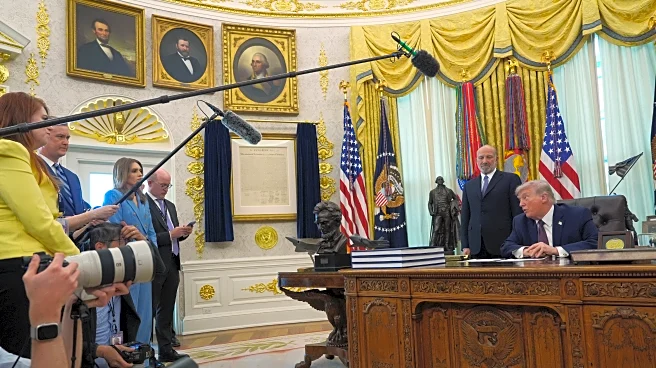
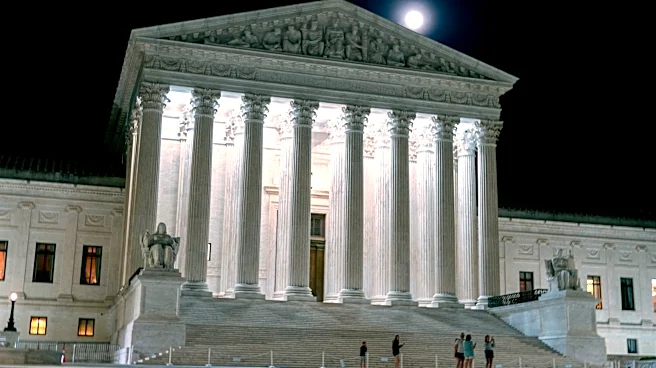
The U.S. Supreme Court is set to hear arguments regarding President Trump's executive order that seeks to deny U.S. citizenship to children born in the United States to individuals who are in the country illegally or temporarily. This order, signed on
January 20, 2025, challenges the 14th Amendment's Citizenship Clause, which has historically granted citizenship to all persons born or naturalized in the U.S. The case has significant implications for immigrant families, as it could affect over a quarter of a million babies born in the U.S. each year. The order has been blocked by lower courts, but the Supreme Court's decision will be pivotal in determining its legality.
Why It's Important?
The outcome of this case could redefine the interpretation of the 14th Amendment and significantly impact immigration policy in the United States. If upheld, the order could strip citizenship from thousands of children, affecting their legal status and access to rights and services. This move is part of a broader immigration crackdown by the Trump administration, which includes increased deportations and reduced refugee admissions. The decision will also test the balance of power between executive orders and constitutional rights, potentially setting a precedent for future immigration policies.
What's Next?
The Supreme Court's decision will be closely watched by immigrant advocacy groups, legal experts, and policymakers. A ruling in favor of the order could lead to further legal challenges and legislative efforts to protect birthright citizenship. Conversely, if the order is struck down, it may reinforce the constitutional protections of the 14th Amendment. The case also has the potential to influence public opinion and political discourse on immigration ahead of future elections.