





What's Happening?
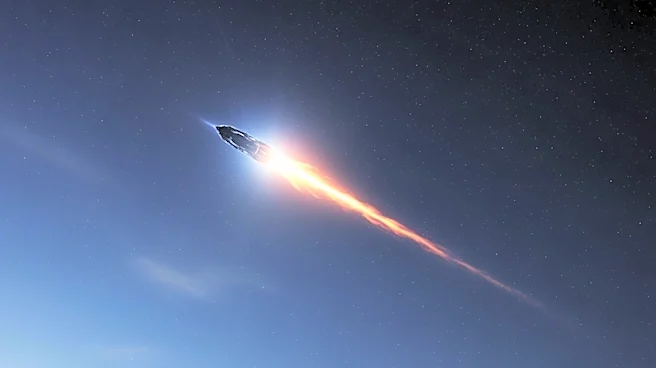
Recent studies using light detection and ranging (LiDAR) technology have revealed that space debris re-entering Earth's atmosphere is contributing to atmospheric pollution. This technology has detected lithium clouds in the upper atmosphere, linked to the re-entry
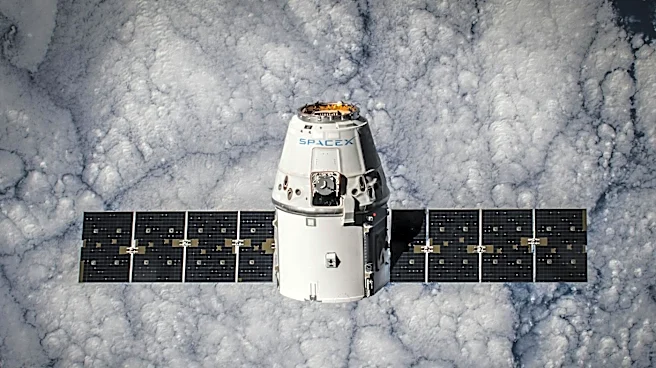
of a SpaceX Falcon 9 rocket stage. The presence of these clouds indicates that space hardware re-entries are introducing additional mass and elements into the atmosphere, which could have unknown effects on the ozone layer and overall atmospheric health.
Why It's Important?
The findings highlight a growing concern about the environmental impact of space exploration and the increasing amount of space debris. As more satellites and rockets are launched, the potential for atmospheric pollution from re-entering debris becomes a significant issue. This could have implications for climate change and atmospheric chemistry, affecting both environmental policy and the future of space exploration. Understanding and mitigating these impacts is crucial for sustainable space activities and protecting Earth's atmosphere.
What's Next?
Further research is needed to fully understand the implications of space debris on the atmosphere. Scientists are likely to continue using advanced technologies like LiDAR to monitor and analyze the effects of re-entering space hardware. This research could inform international regulations and guidelines for space debris management, aiming to minimize environmental impacts. Collaboration between space agencies, governments, and environmental organizations will be essential to address this emerging challenge.