



What's Happening?
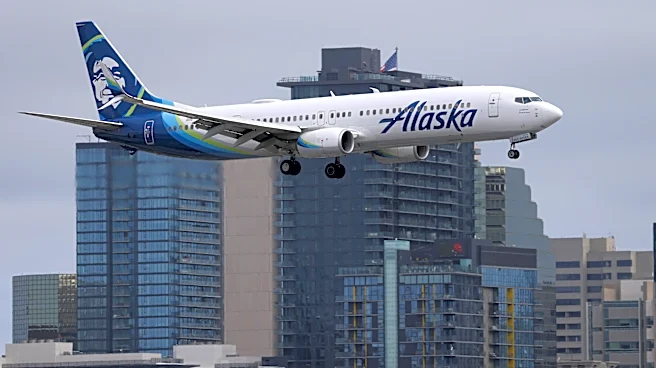
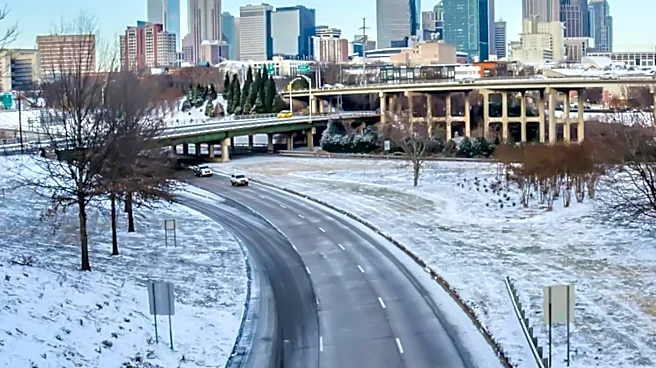
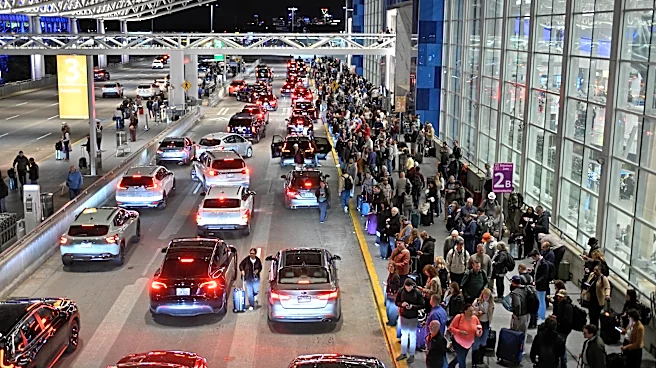
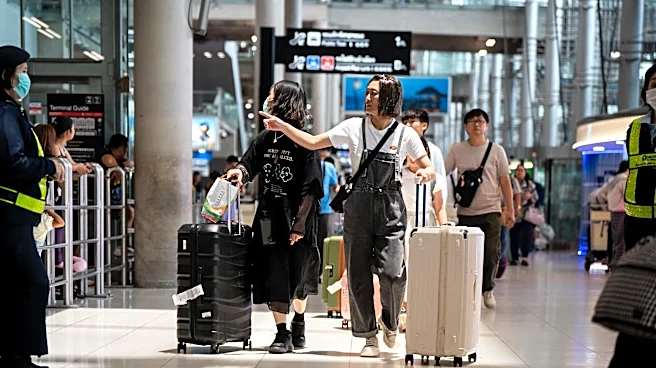
Tara Harding, a nurse practitioner, and two of her employees were stranded in Charlotte, North Carolina, after a nationwide Federal Aviation Administration (FAA) ground stop disrupted air travel. The ground stop, caused by inconsistencies in radar data
and communications, affected 20,000 flights, with 12,000 unable to recover. After unsuccessful attempts to rebook flights, find rental cars, or secure alternative transportation like Greyhound, Amtrak, or Uber, Harding decided to purchase a new Ford Bronco for $48,000. The women then embarked on a 27-hour non-stop road trip to Bismarck, North Dakota, their home destination. They took turns driving and napping, stopping at gas stations and drive-thrus for food.
Why It's Important?
This incident highlights the significant disruptions that can occur in the U.S. air travel system due to unforeseen events like an FAA ground stop. It underscores the vulnerability of travelers and businesses to such widespread cancellations and delays, particularly when alternative transportation options are scarce. For Harding, the decision to buy a new vehicle was driven by the urgent need for her employees to return to their children and for her clinic to attend to patients. This demonstrates the ripple effect of travel disruptions on personal lives and professional responsibilities. The story also showcases an extreme, yet effective, problem-solving approach in a crisis, albeit one that required a substantial financial investment.
What's Next?
The FAA ground stop led to thousands of delayed and canceled flights, indicating a need for robust contingency plans within the air travel industry and for individual travelers. While Harding's solution was unique, it points to the broader challenges faced by passengers during large-scale travel disruptions. The incident may prompt discussions within the aviation sector about improving communication systems and backup protocols to minimize future impacts. For consumers, it serves as a reminder of the importance of travel insurance and considering alternative travel arrangements, especially during periods of potential instability in air travel. Harding's decision to keep the Bronco suggests a lasting impact of the event on her personal and perhaps professional life.
Beyond the Headlines
This event goes beyond a simple travel anecdote, touching upon themes of resilience, resourcefulness, and the unexpected costs associated with systemic failures. The decision to purchase a new car out of necessity rather than desire reflects a unique intersection of personal urgency and market availability. It also subtly critiques the limitations of existing transportation infrastructure during a crisis, where traditional alternatives like rental cars, buses, and trains were insufficient. The story could spark conversations about consumer rights during travel disruptions and the extent to which airlines and regulatory bodies are responsible for mitigating the impact on passengers. Furthermore, it highlights the psychological toll of being stranded and the lengths individuals will go to fulfill their obligations.