






What's Happening?
Houston is currently experiencing high humidity and scattered storms, with a significant increase in rainfall anticipated from Thursday through the weekend. This weather pattern is due to tropical moisture interacting with a slow-moving front, leading
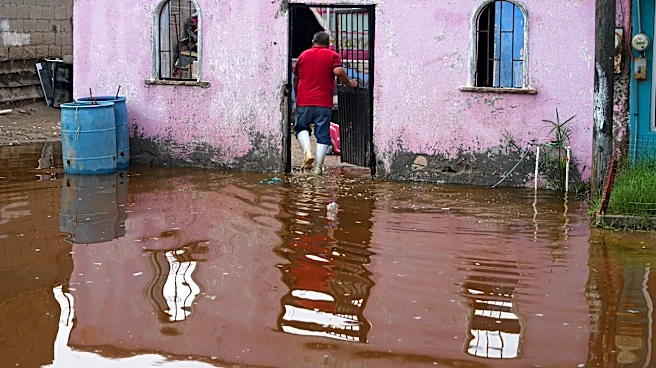
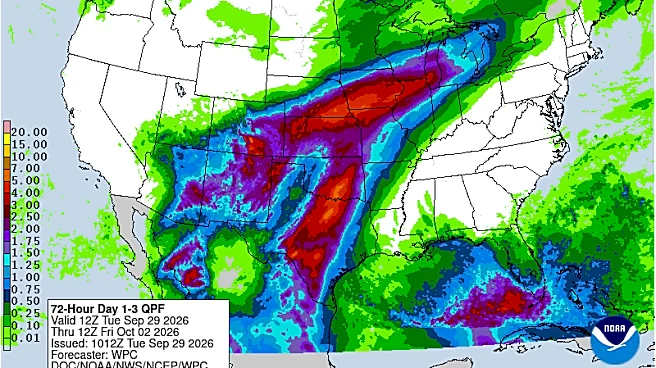
to widespread downpours. Temperatures are expected to remain warm, with highs in the low 90s and heat index values exceeding 100 degrees today. The forecast indicates that multiple rounds of heavy rain could produce localized totals of 3 to 6 inches across much of Texas, including the Dallas-Fort Worth area, Austin, and San Antonio. Some areas might see even higher accumulations if storms repeatedly track over the same locations. This persistent rainfall raises growing concerns about potential flooding.
Why It's Important?
The impending widespread rain and potential for significant flooding in Houston and across Texas carry substantial implications for public safety, infrastructure, and local economies. Flash flooding, flooded roads, and rising creeks and rivers pose immediate dangers to residents, potentially disrupting daily commutes, emergency services, and access to essential facilities. Businesses could face closures, property damage, and supply chain interruptions, leading to economic losses. The agricultural sector, a vital part of the Texas economy, could also be severely impacted by excessive rainfall and flooding, affecting crop yields and livestock. Furthermore, the strain on emergency response resources will be considerable, requiring coordinated efforts from local and state agencies to manage potential crises and provide aid to affected communities. The high heat index values preceding the heavy rains also present health risks, particularly for vulnerable populations.
What's Next?
Residents in Houston and other affected areas of Texas should prepare for continued widespread rain and the heightened risk of flooding throughout the weekend. Authorities will likely issue flood watches and warnings as conditions develop, and residents are advised to monitor local weather updates closely. Emergency services will be on standby to respond to flash flooding incidents, road closures, and potential water rescues. It is anticipated that local governments will activate emergency response plans, which may include setting up shelters and distributing resources to affected communities. Travelers should expect significant disruptions and plan alternative routes, as many roads could become impassable. The focus will be on mitigating flood damage and ensuring public safety as the heavy rainfall persists.
Beyond the Headlines
The recurring threat of heavy rainfall and flooding in regions like Houston highlights broader challenges related to urban development, climate patterns, and infrastructure resilience. Rapid urbanization often leads to increased impervious surfaces, which exacerbate runoff and overwhelm existing drainage systems, making cities more vulnerable to flooding. This situation underscores the ongoing need for significant investment in resilient infrastructure, including improved stormwater management systems and flood control measures. Furthermore, the interaction of tropical moisture with slow-moving fronts points to the complex and potentially intensifying weather patterns that could be influenced by climate change. Communities will need to adapt through long-term planning, including land-use policies that consider flood risks and public education campaigns to foster preparedness and resilience among residents. The economic and social costs of such events also emphasize the importance of comprehensive disaster preparedness and recovery strategies.