









What's Happening?
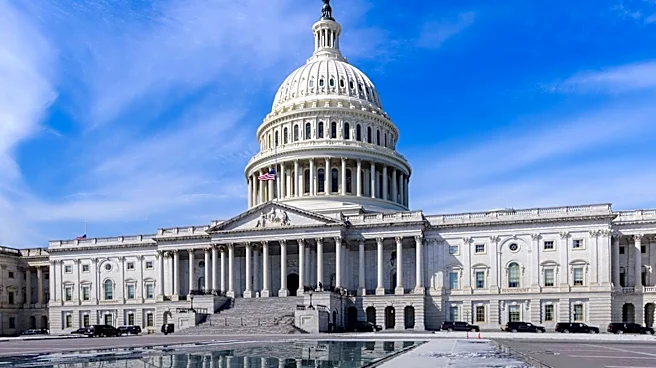
Congress is evaluating a bipartisan bill aimed at reforming the Federal Emergency Management Agency (FEMA) amid ongoing criticisms of its disaster response capabilities. The bill proposes removing FEMA from the Department of Homeland Security and reinstating
it as a Cabinet-level agency reporting directly to the president. This move comes after concerns were raised about FEMA's ability to manage multiple catastrophic events simultaneously, especially following the deadly Kerr County, Texas, flooding in July 2025. The House Committee on Transportation and Infrastructure is set to hold a hearing on July 15 to discuss these reforms. Former FEMA administrator Craig Fugate is expected to testify, emphasizing the need for timely reforms to ensure FEMA's effectiveness in disaster management.
Why It's Important?
The proposed reforms to FEMA are significant as they address longstanding issues related to the agency's efficiency and accountability in disaster response. FEMA's ability to manage disasters effectively is crucial for public safety, especially as extreme weather events become more frequent due to climate change. The agency's restructuring could lead to improved coordination and resource allocation, potentially reducing the impact of disasters on affected communities. Additionally, the reforms aim to address concerns about political influence in disaster declarations, ensuring that aid is distributed fairly and based on need rather than political considerations. This could restore public trust in FEMA and enhance its operational effectiveness.
What's Next?
The upcoming hearing on July 15 will be a critical step in determining the future of FEMA's structure and operations. If the bill is passed, it could lead to significant changes in how FEMA operates, including its reporting structure and resource management. The confirmation of Cameron Hamilton as FEMA chief could also influence the agency's direction, as he has expressed a commitment to addressing FEMA's mission creep and improving its collaboration with state and local emergency managers. The outcome of these discussions will likely shape FEMA's ability to respond to future disasters and its role in national emergency management.