






What's Happening?
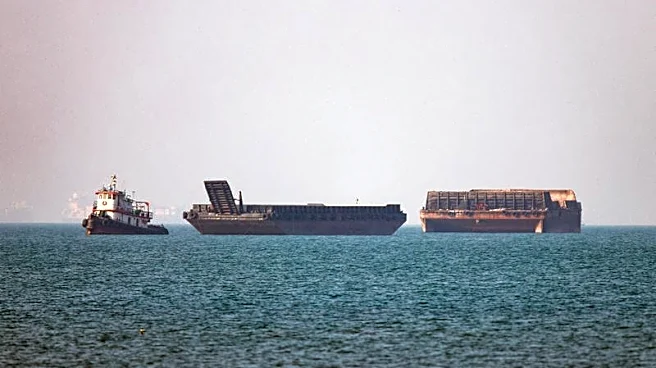
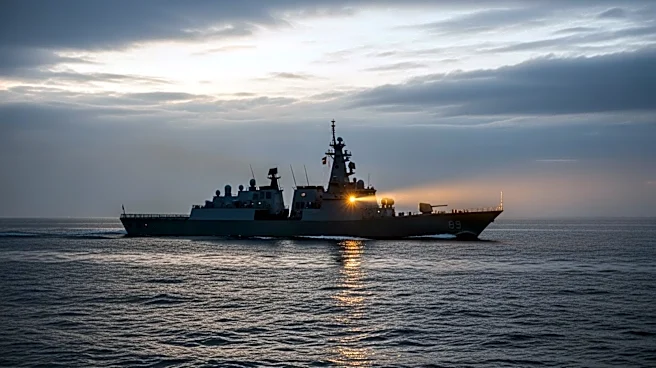
The ceasefire between the United States and Iran is under significant strain following recent military actions in the Strait of Hormuz. According to reports, Iran launched drones and missiles targeting the United Arab Emirates, while the United States responded
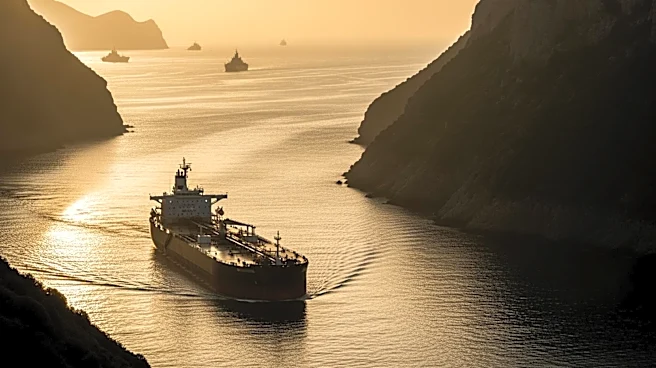
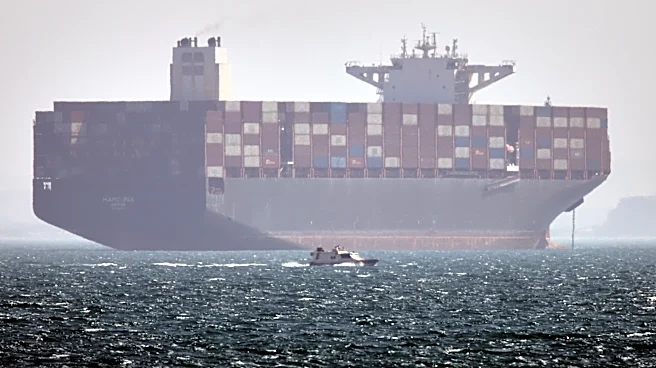
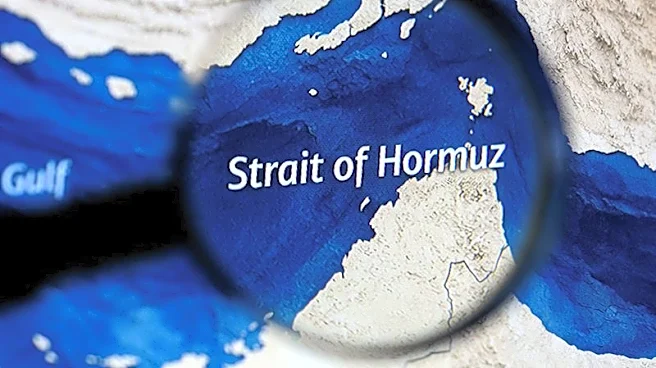
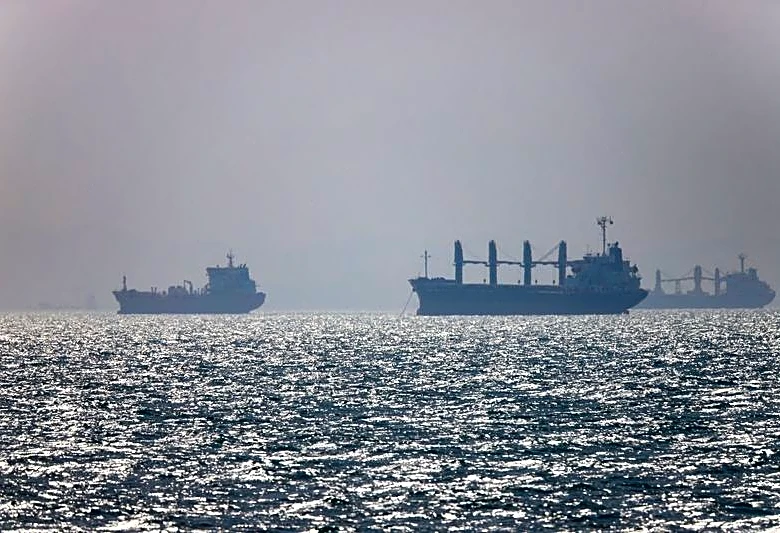
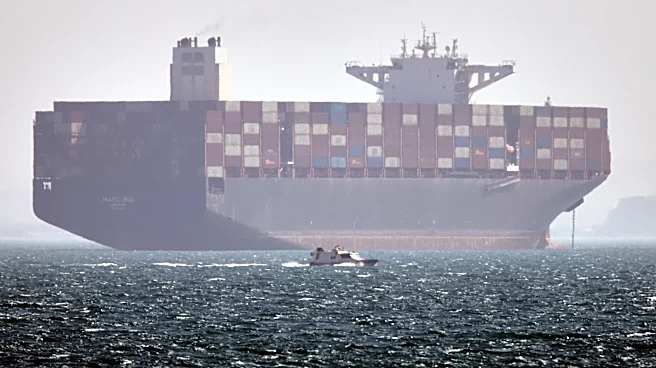
by sinking multiple Iranian boats in the strategic waterway. This escalation marks a deterioration in the already fragile ceasefire agreement between the two nations. The Strait of Hormuz is a critical maritime passage, with a significant portion of the world's oil supply passing through it, making stability in the region crucial for global energy markets.
Why It's Important?
The escalation of tensions in the Strait of Hormuz has significant implications for global energy security and geopolitical stability. The strait is a vital chokepoint for oil transportation, and any disruption could lead to increased oil prices and economic instability worldwide. The renewed hostilities between the U.S. and Iran could also impact diplomatic relations and lead to further military engagements, potentially involving other regional and global powers. The situation underscores the delicate balance of power in the Middle East and the potential for conflict to affect international markets and political alliances.
What's Next?
The international community is likely to monitor the situation closely, with potential diplomatic interventions aimed at de-escalating tensions. The U.S. and Iran may face pressure from allies and international organizations to return to negotiations and uphold the ceasefire. Additionally, there could be increased military presence in the region as a deterrent against further aggression. The outcome of these developments will be critical in determining the future stability of the Strait of Hormuz and the broader Middle East region.