






What's Happening?
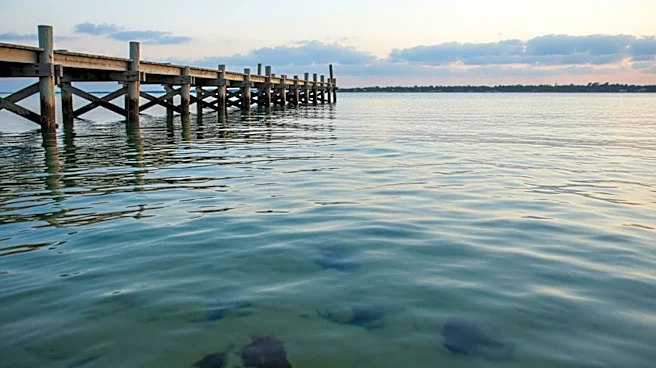
The Smithsonian Tropical Research Institute (STRI) has reported a significant disruption in the seasonal upwelling process in the Gulf of Panama, which has not occurred for the first time in 40 years. This process, driven by strong northern trade winds
during Central America's dry season, typically brings nutrient-rich water to the surface, supporting marine life and local fisheries. In 2025, however, this upwelling did not take place, leading to reduced ocean productivity and weakened seasonal cooling. Researchers suggest that a major drop in wind patterns may be responsible for this unprecedented event. The findings highlight the vulnerability of tropical upwelling systems and the need for improved monitoring and forecasting of ocean climate changes.
Why It's Important?
The disruption of the upwelling process in the Gulf of Panama has significant implications for local ecosystems and economies. This process is crucial for maintaining productive fisheries and protecting coral reefs from heat stress. The failure of upwelling could lead to economic challenges for coastal communities reliant on fishing. Additionally, the event underscores the broader impacts of climate change on oceanographic processes, emphasizing the need for enhanced climate observation and forecasting in tropical regions. Understanding these changes is vital for developing strategies to mitigate the effects of climate disruption on marine environments and the communities that depend on them.
What's Next?
Further research is needed to determine the exact causes of the upwelling disruption and its long-term implications. Scientists are likely to focus on monitoring wind patterns and other climatic factors that influence upwelling. There may also be increased efforts to improve ocean climate observation systems in tropical regions to better predict and respond to such disruptions. Policymakers and environmental organizations might advocate for stronger climate action to address the root causes of these changes and protect vulnerable marine ecosystems.