







What's Happening?
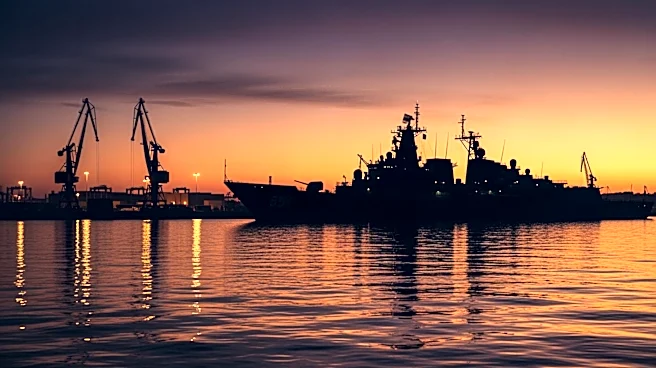
President Trump's decision to enforce a naval blockade on Iranian ports has escalated tensions in the Middle East, with significant global economic implications. The blockade aims to restrict Iran's oil exports, a critical revenue source, to pressure
Tehran into compliance with U.S. demands. However, the move has led to rising oil prices and market instability, affecting global economic forecasts. European countries have expressed reluctance to support the blockade, emphasizing diplomatic solutions instead. The blockade also risks further military confrontations, as Iran has vowed to retaliate if provoked.
Why It's Important?
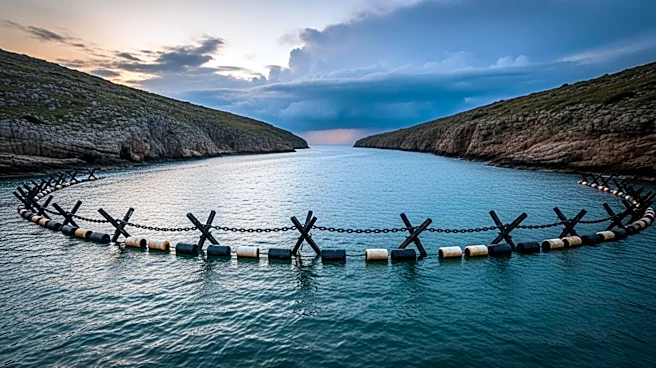
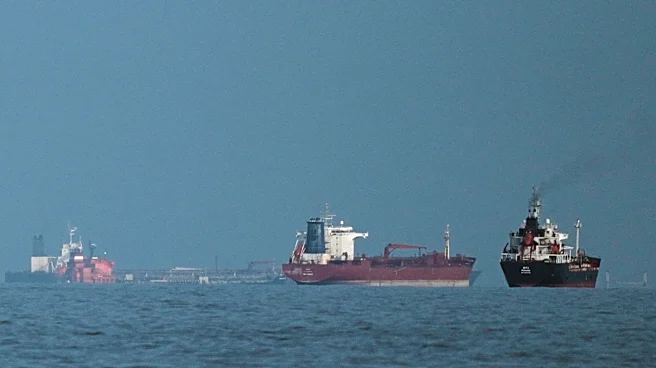
The blockade highlights the complexities of international diplomacy and the potential for economic disruption. The Strait of Hormuz is a crucial passage for global oil shipments, and its closure could lead to prolonged energy shocks, affecting economies worldwide. The situation tests international alliances, as European countries prioritize diplomatic engagement over military involvement. The economic strain on Iran could force it back to the negotiating table, but it also risks further military confrontations. The blockade underscores the delicate balance of power in the Middle East and the potential for broader geopolitical conflicts.
What's Next?
The success of the blockade depends on Iran's response and the international community's stance. If Iran retaliates, it could lead to military confrontations, further destabilizing the region. The U.S. may seek diplomatic support to legitimize its actions, but resistance from allies could complicate these efforts. The economic impact on global oil markets will be closely monitored, with potential implications for energy prices and economic stability. The situation remains fluid, with the possibility of renewed negotiations or escalated conflict.