






What's Happening?
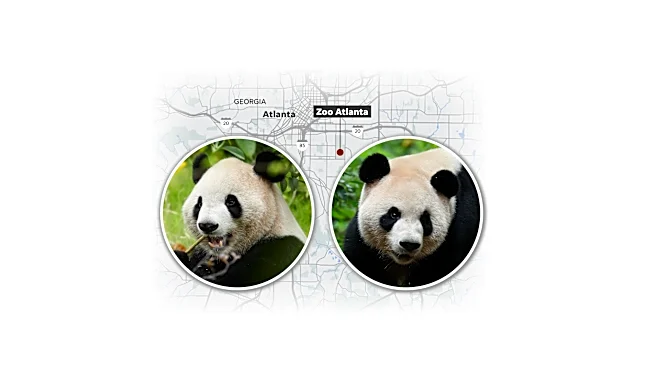
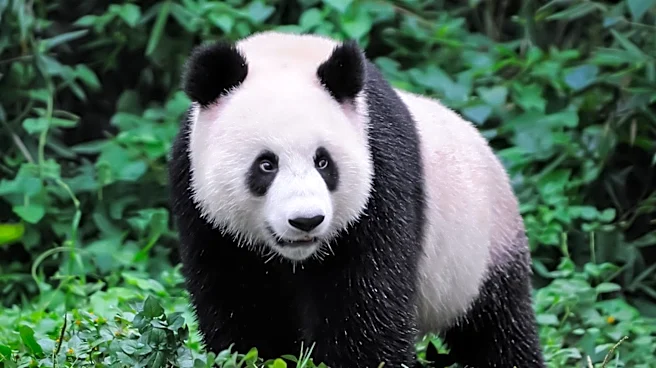
Atlanta Mayor Andre Dickens, alongside U.S. Ambassador to China David Perdue and Georgia Governor Brian Kemp, sent welcome messages for the arrival of two giant pandas, Ping Ping and Fu Shuang, at Zoo Atlanta. The six-year-old pandas officially debuted
to the public at their new habitat, Panda Grove, which includes indoor and outdoor spaces. This return marks a 10-year agreement between Zoo Atlanta and the China Wildlife Conservation Association. The grand opening ceremony highlighted the significance of international cooperation in species protection. Chinese Ambassador to the United States Xie Feng noted that the pandas' arrival reflects American public enthusiasm and strengthens ties between the two nations, contributing to global biodiversity conservation. Public interest was immediately evident, with visitors queuing to see the pandas shortly after the zoo opened, and many traveling significant distances for the event.
Why It's Important?
The return of giant pandas to Zoo Atlanta is expected to have a significant economic impact on the city. Zoo Atlanta President and CEO Raymond King estimates that the pandas could increase annual attendance by 10 to 20 percent in the first year, leading to a boost in sales of panda-themed merchandise and gifts. This influx of visitors, some traveling from other states like Florida, will likely stimulate local tourism and related businesses. Beyond the economic benefits, the presence of the pandas serves as a symbol of strengthened diplomatic and cultural ties between the United States and China. The initiative underscores the importance of international collaboration in wildlife conservation efforts, particularly for endangered species like the giant panda, and provides educational opportunities for the public on biodiversity.
What's Next?
The immediate focus for Zoo Atlanta is to ensure Ping Ping and Fu Shuang comfortably settle into their new environment, with keepers who previously cared for pandas overseeing their transition. Over the next decade, the zoo will host the pandas, continuing to draw crowds and generate economic activity. The success of this partnership could pave the way for future international collaborations in conservation and cultural exchange. The anticipated increase in attendance will require the zoo to manage visitor flow and maintain high standards of animal care. The ongoing public engagement and educational programs surrounding the pandas will also be crucial in fostering greater awareness and support for global conservation initiatives.
Beyond the Headlines
The return of giant pandas to Zoo Atlanta transcends a simple zoo exhibit; it represents a nuanced interplay of diplomacy, conservation, and public engagement. These 'panda diplomacy' initiatives often carry significant geopolitical weight, serving as goodwill gestures that can influence international relations. Ethically, the program highlights the complex balance between captive breeding for conservation and the welfare of individual animals. Culturally, the pandas act as ambassadors, fostering a deeper appreciation for wildlife and promoting cross-cultural understanding. The long-term success of this program will not only be measured by economic gains or attendance figures but also by its contribution to the giant panda's survival and its role in shaping public attitudes towards global environmental stewardship.