








What's Happening?
The airgun industry has taken a significant step forward by establishing the first official industry standard for airgun slugs, known as ASTM F590. This development provides a standardized reference point for manufacturers and shooters regarding slug dimensions,
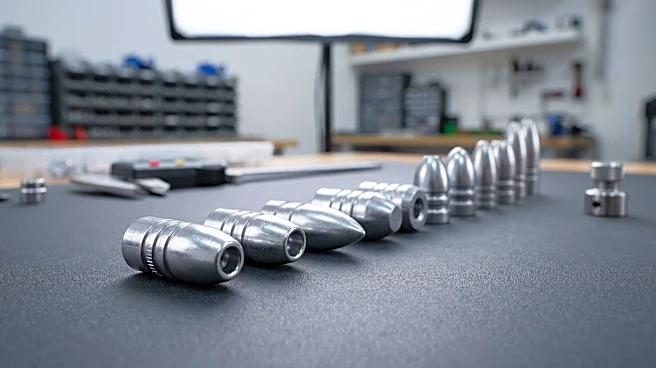
materials, and marking requirements. The Airgun Sporting Association (ASA) played a crucial role in collaborating with its members and ammunition manufacturers to achieve this revision. Slugs have become a rapidly growing segment within the airgun sport, particularly in big-bore and PCP shooting, and until now, there was no consistent industry definition or sizing guidelines. The revised ASTM F590 standard formally defines airgun slugs and outlines specific requirements across two dozen calibers, ranging from .177 cal (4.5mm) to .72 cal (18.5mm). This includes definitions for terms like 'airgun slug,' 'hard cast slugs,' and 'Match Grade Sizing,' along with material and hardness rules for lead slugs, specifying pure lead with a maximum hardness of 10 BHN unless marketed as hard cast. The standard also introduces a maximum push force requirement for all slugs through a standardized test sizing die.
Why It's Important?
This new safety standard is important for several reasons, primarily enhancing safety and consistency within the growing airgun industry. By providing a standardized table of minimum and maximum diameters for various calibers, it ensures that airguns and slugs are compatible, reducing the risk of slugs becoming stuck in barrels, which can be a significant safety hazard. This standardization also fosters greater trust and reliability in airgun products, benefiting both manufacturers and consumers. For manufacturers, it offers clear guidelines for production, potentially streamlining processes and improving product quality. For consumers, it provides assurance that the slugs they purchase will perform as expected and safely. The growth of the airgun sport, especially in big-bore and PCP shooting, necessitates such standards to maintain safety and promote responsible participation. The ASA's involvement underscores the industry's commitment to self-regulation and continuous improvement, which can help legitimize the sport and attract new enthusiasts.
What's Next?
The revised ASTM F590 standard has cleared both rounds of ASTM balloting and is expected to be published within the next couple of months. While ASTM standards are voluntary, it will take time for these new specifications to be fully adopted across the market as companies work through existing inventory. Manufacturers will need to adjust their production processes and labeling to align with the new definitions and requirements. Consumers can anticipate a more consistent and safer experience with airgun slugs as these standards become more widely implemented. The ASA will likely continue its work in engaging with the standards process to support the growth and legitimacy of the airgun industry, potentially leading to further refinements or additional standards in the future. The long-term impact will be a more regulated and safer environment for airgun enthusiasts and a clearer framework for product development.
Beyond the Headlines
Beyond the immediate safety and consistency benefits, the establishment of this airgun slug standard reflects a broader trend of increasing formalization and professionalization within niche sports and industries. The detailed technical work involved, including defining 'Match Grade Sizing' and setting specific material and hardness rules, highlights the precision and engineering involved in modern airgun technology. This move could also influence regulatory discussions, as a self-regulated industry with clear safety standards may face less external governmental oversight. Furthermore, the standardization could facilitate international trade and collaboration within the airgun community, as a common language for product specifications simplifies transactions and ensures compatibility across different markets. This initiative also sets a precedent for other emerging segments within the shooting sports to develop their own robust safety and quality benchmarks.