









What's Happening?
The US Army has awarded a contract worth $11.2 million to Teledyne FLIR Defense for the provision of over 45 uncrewed aerial system (UAS) kits. These kits are designed for chemical, biological, radiological, and nuclear (CBRN) threat detection. The initiative
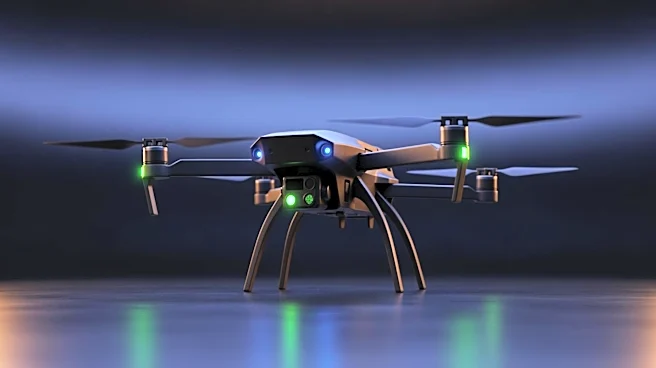
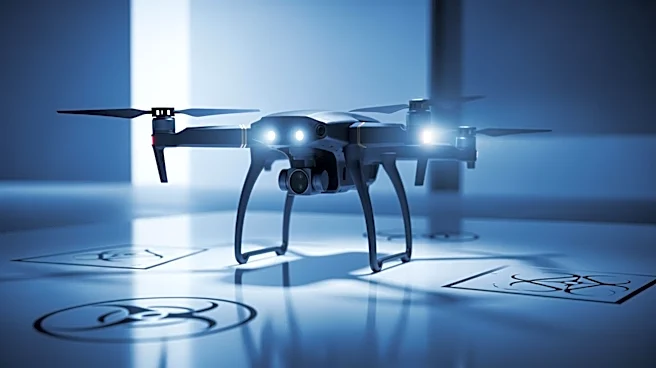
is part of the Chemical, Biological, Radiological, and Nuclear Sensor Integration on Robotic Platforms (CSIRP) program. The kits, which include the R80D SkyRaider drone equipped with modular sensor payloads, are expected to be delivered starting in the second quarter of 2026. The development work is being conducted at facilities in Maryland and Indiana, with engineering support from Oklahoma. The CSIRP program aims to rapidly prototype and deploy advanced sensor solutions for both aerial and ground-based robotic platforms, utilizing technologies such as artificial intelligence and machine learning to address CBRN hazards.
Why It's Important?
This contract signifies a strategic enhancement of the US Army's capabilities in detecting and responding to CBRN threats. By integrating advanced technologies like AI and machine learning, the Army aims to improve its surveillance and response capabilities in hazardous environments, thereby reducing the risk to human personnel. The deployment of these kits will allow for real-time hazard information gathering and threat characterization, minimizing direct human exposure. This development is crucial for maintaining national security and ensuring the safety of military personnel in potentially contaminated environments.
What's Next?
The delivery of these kits is scheduled to begin in the second quarter of 2026. As the kits are integrated into the Army's operations, there may be further developments in the use of autonomous systems for hazard detection. The success of this program could lead to additional contracts and the expansion of similar technologies to other branches of the military or allied forces. Stakeholders will likely monitor the effectiveness of these systems in real-world applications to assess their impact on military operations.