








What's Happening?
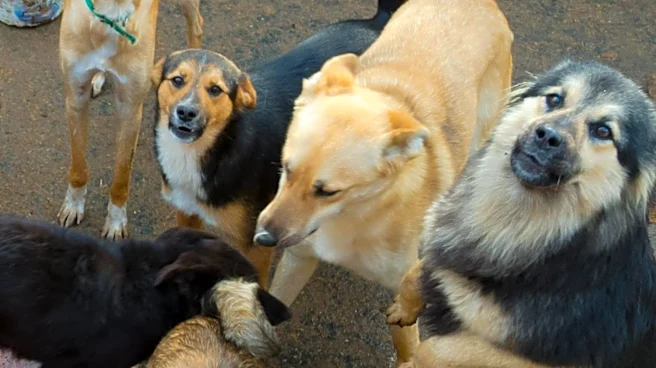
San Francisco Mayor Daniel Lurie has introduced legislation, the Protecting Animal Welfare and Safety for Dogs (PAWS) Act, aimed at addressing chronic overcrowding in the city's animal shelters by regulating dog breeding. The proposed act would require
a $200 city permit for breeding any dog, extending a current requirement for pit bulls to all breeds, including competition or show dogs. Permit holders would need to pass a home inspection and limit each female dog to one litter per year. Breeding without a permit could result in fines up to $1,000 and the seizure and sterilization of the dogs. The PAWS Act also seeks to shorten the holding period for pets whose owners are jailed or hospitalized, as well as for stray animals, and would allow shelters to spay or neuter impounded dogs sooner. City officials report a significant increase in puppy intake at the shelter, nearly doubling from 227 in fiscal year 2020 to 422 in fiscal year 2025, contributing to the overcrowding.
Why It's Important?
This proposed legislation is a direct response to the escalating crisis of animal shelter overcrowding in San Francisco, reflecting a broader national challenge faced by many urban animal care facilities. By targeting unregulated breeding, the city aims to reduce the influx of unwanted animals, thereby alleviating strain on resources and reducing euthanasia rates. The PAWS Act's focus on responsible breeding practices, including home inspections and litter limits, could serve as a model for other municipalities grappling with similar issues. However, the stricter regulations, particularly the shortened holding periods for pets of incarcerated or hospitalized owners, raise concerns about potential impacts on vulnerable populations who rely on their pets for companionship and support. The debate surrounding this bill highlights the delicate balance between animal welfare objectives and the social implications for pet owners.
What's Next?
The PAWS Act will proceed to a Board of Supervisors committee, where a public hearing is scheduled to begin in late November. Following committee review, if advanced, the full board will vote on the measure before it can be signed into law by the mayor. During this process, various stakeholders, including animal welfare advocates, dog breeders, and public defenders, are expected to voice their perspectives. The outcome will determine the future of dog breeding regulations in San Francisco and could influence similar legislative efforts in other U.S. cities. If enacted, the city's Animal Care & Control (ACC) will be responsible for enforcing the new permit requirements, responding to complaints, and managing the increased workload associated with inspections and potential animal seizures. The success of the act will depend on effective implementation and public compliance.
Beyond the Headlines
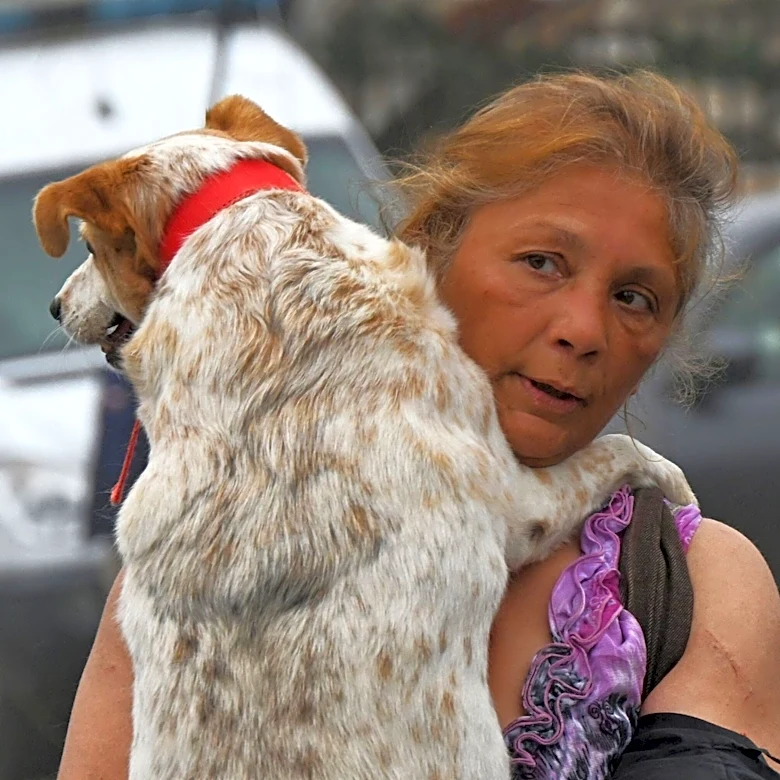
Beyond its immediate impact on dog breeding and shelter operations, the PAWS Act touches upon deeper societal issues, including responsible pet ownership, animal welfare ethics, and the challenges faced by marginalized communities. The proposal to shorten the reclaim period for pets of hospitalized or jailed owners has drawn criticism from public defenders, who argue it could be deeply troubling for clients who view their pets as a lifeline. This aspect of the bill underscores the intersection of animal welfare policy with social justice concerns, highlighting how seemingly straightforward regulations can have disproportionate effects on different segments of the population. The legislation also implicitly addresses the 'backyard breeding' phenomenon, which contributes to pet overpopulation and can result in animals with health or behavioral issues. The broader implication is a shift towards more stringent control over animal reproduction, reflecting an evolving societal understanding of animal rights and responsibilities.