

What's Happening?
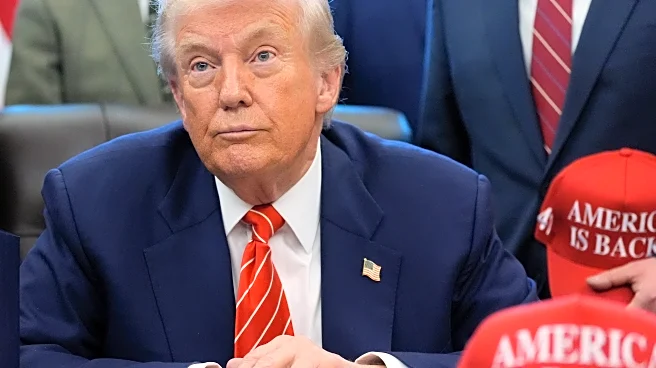
President Trump has signed an order to create task forces within the Department of Justice (DoJ) and the Federal Trade Commission (FTC) to address potential security risks in the U.S. food sector. These task forces will investigate alleged price fixing
and anti-competitive conduct, particularly by foreign-controlled companies, which may be increasing the cost of living for Americans and posing a national security threat to food supply chains. The initiative follows a recent inquiry by the DoJ into alleged price fixing by major meatpacking companies, including JBS, Cargill, Tyson Foods, and National Beef, which collectively control a significant portion of U.S. beef processing. The task forces are mandated to review the ownership or control of food-related sectors by foreign entities and assess whether this contributes to increased food costs or economic security threats.
Why It's Important?
The establishment of these task forces underscores the administration's focus on ensuring the stability and affordability of the U.S. food supply. By targeting anti-competitive practices, especially those involving foreign-controlled corporations, the initiative aims to protect American consumers from inflated food prices and potential disruptions in the food supply chain. This move could lead to significant regulatory changes and enforcement actions against companies found to be engaging in unfair practices. The outcome of these investigations could have wide-reaching implications for the food industry, potentially affecting pricing, market competition, and international trade relations.
What's Next?
The task forces are required to deliver a joint briefing to key congressional leaders, including Speaker of the House Mike Johnson and Senate Majority Leader John Thune, within 180 days of the order. This briefing will summarize their findings and any proposed actions. Depending on the results, the Attorney General may initiate criminal proceedings if evidence of criminal collusion is found. The task forces' work could lead to new regulatory approaches and enforcement actions to address any identified anti-competitive behavior.