






What's Happening?
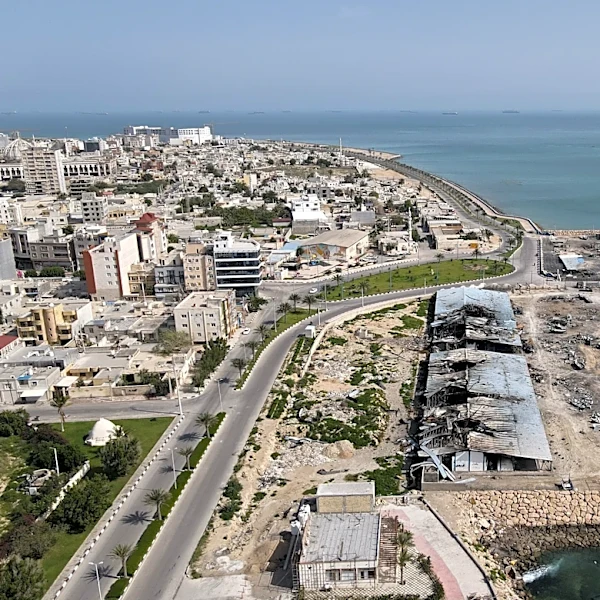
The Strait of Hormuz, a critical maritime passage for global oil supply, has been closed due to military conflict involving Iran, the United States, and Israel. This closure, which began in late February 2026, has drastically reduced oil shipments from
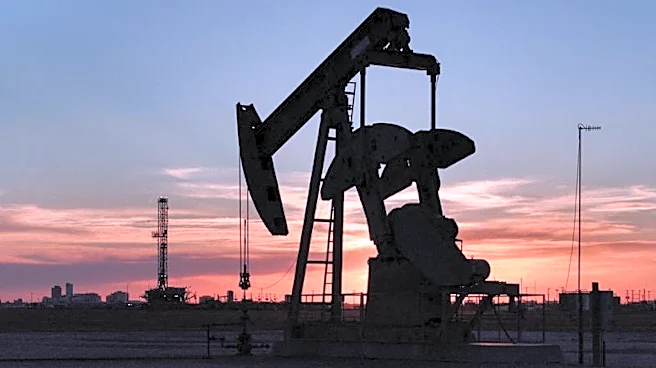
the region, causing a significant supply shock. The strait typically handles about 20 million barrels per day, representing a substantial portion of global oil trade. The ongoing conflict has led to a loss of approximately 12-13 million barrels per day, with cumulative supply losses reaching around 1 billion barrels. This disruption is the largest of its kind in modern history, surpassing previous oil supply shocks. The closure has also affected the transit of liquefied natural gas and other critical commodities, exacerbating the impact on global markets.
Why It's Important?
The closure of the Strait of Hormuz has profound implications for global energy security and economic stability. The strait's significance lies in its role as a chokepoint for oil and gas exports, particularly to Asian economies like China, India, Japan, and South Korea. The disruption has led to a sharp increase in oil prices, with Brent crude projected to reach as high as $154 per barrel if the closure persists. This price surge is causing demand destruction, where high costs force consumers and industries to reduce consumption. The situation poses a risk of triggering a global recession, especially if the closure extends beyond three months. The crisis highlights the vulnerability of global supply chains and the need for alternative routes and energy sources.
What's Next?
If the closure continues, the global economy could face severe consequences, including a potential recession. Diplomatic efforts to resolve the conflict are crucial, but progress has been slow. The International Energy Agency and other stakeholders are monitoring the situation closely, with strategic petroleum reserves being utilized to mitigate the impact. However, these reserves are finite, and prolonged disruption could lead to more drastic measures, such as demand rationing. The crisis underscores the importance of diversifying energy sources and improving infrastructure to reduce dependency on critical chokepoints like the Strait of Hormuz.
Beyond the Headlines
The disruption in the Strait of Hormuz is not just an oil supply issue; it affects a wide range of commodities, including fertilizers and petrochemicals, which are vital for agriculture and manufacturing. The crisis could lead to long-term changes in global trade patterns and energy policies, as countries seek to enhance their energy security and reduce reliance on vulnerable supply routes. The situation also highlights the geopolitical tensions in the region and the potential for conflict to disrupt global markets. As nations grapple with the immediate impacts, the need for sustainable and resilient energy solutions becomes increasingly apparent.