







What's Happening?
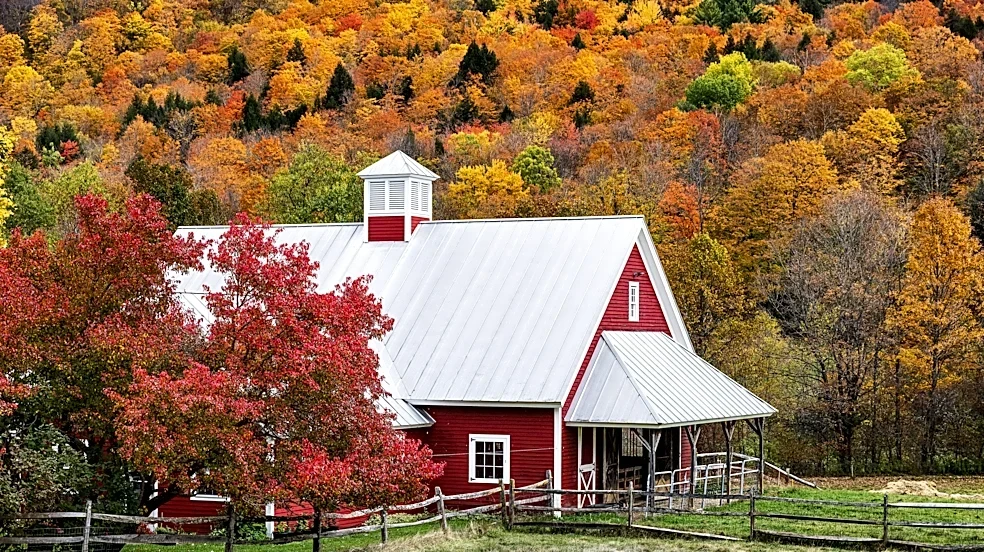
When the Rochester Cafe in Vermont closed early this summer, residents transformed its porch into a weekend pop-up cafe, serving coffee and homemade baked goods. This initiative, which began around the Fourth of July, aimed to maintain community vitality
and provide a gathering space. Different local organizations took turns hosting each weekend, leading to a summer-long community hub that raised nearly $24,000 in donations for various local groups. Peggy McKinley, one of the coordinators, emphasized that the primary goal was to create visibility and vitality in the town, not just to raise money. The pop-up initially operated daily during the Green Mountain Suzuki Institute week, then settled into a weekend schedule. Local businesses and volunteers contributed significantly, with a core group of bakers providing high-quality pastries. The Kendall Building, which houses the cafe, is currently being marketed for sale or lease, with hopes for a permanent cafe to reopen next summer.
Why It's Important?
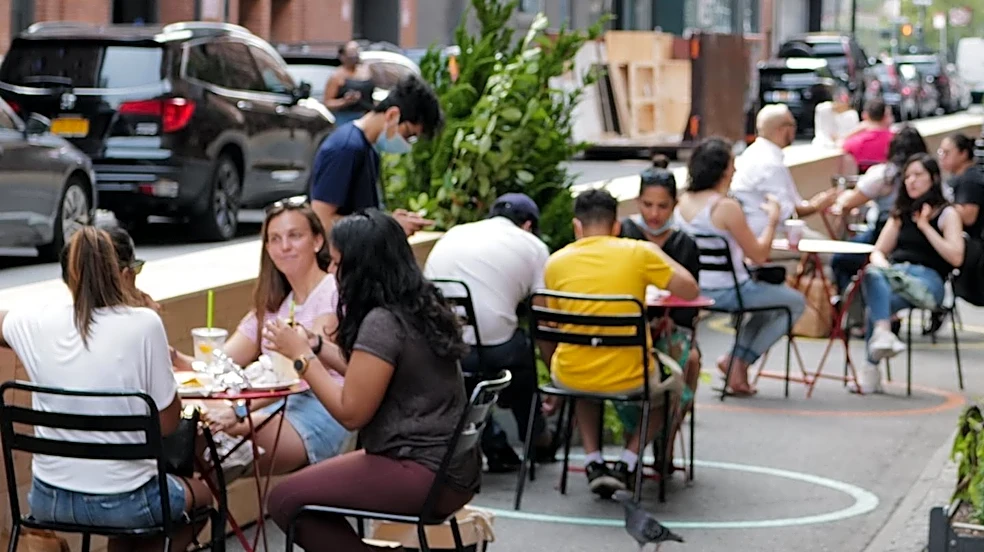
This community-led initiative in Rochester demonstrates the power of local engagement and resilience in maintaining social cohesion and economic activity, especially in small towns. The closure of a central gathering spot like a cafe can have a significant impact on community life, potentially leading to isolation and a decline in local vibrancy. By proactively creating a pop-up, residents not only filled a void but also fostered a stronger sense of community, facilitated social interactions, and generated substantial funds for local organizations. This model could serve as an inspiration for other communities facing similar challenges, highlighting how grassroots efforts can turn potential setbacks into opportunities for collective action and mutual support. It also underscores the importance of physical spaces for community building.
What's Next?
The future of the Rochester Cafe's location remains uncertain, as the Kendall Building is being marketed for sale or lease. The community hopes for a permanent cafe to reopen by next summer. If a permanent solution isn't found, the successful pop-up experiment could potentially return, as suggested by Peggy McKinley. In the interim, the community will likely continue to explore options for maintaining a central gathering space. The funds raised will support various local organizations, enabling them to continue their work within the community. The success of this initiative may also encourage further volunteer-led projects and collaborations in Rochester.
Beyond the Headlines
This story goes beyond a simple community event; it illustrates the intrinsic human need for connection and shared spaces. In an era where digital interactions often replace physical ones, the Rochester pop-up cafe highlights the enduring value of face-to-face engagement and the tangible benefits of a 'third place'—a public space distinct from home and work where people can gather informally. The initiative also speaks to the broader theme of local identity and pride, as residents actively worked to prevent their town from appearing 'closed.' It's a testament to how collective action can not only address immediate needs but also strengthen the social fabric and foster a resilient community spirit.