





What's Happening?
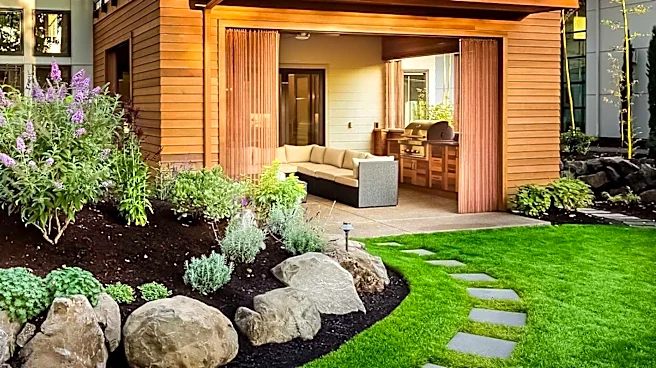
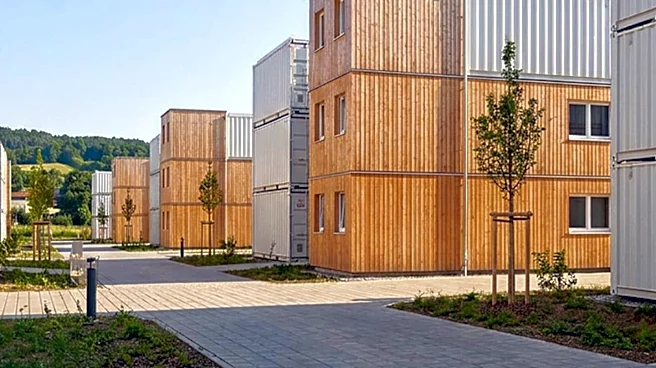
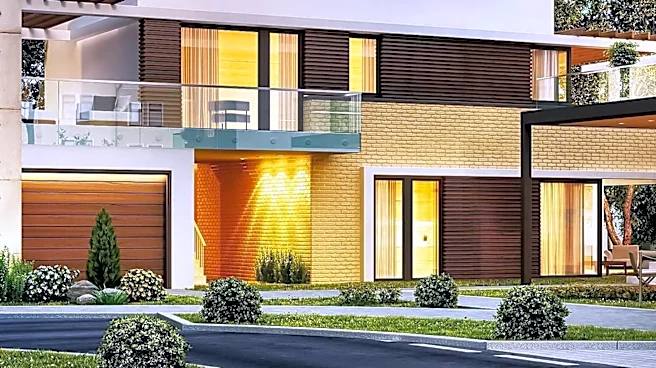
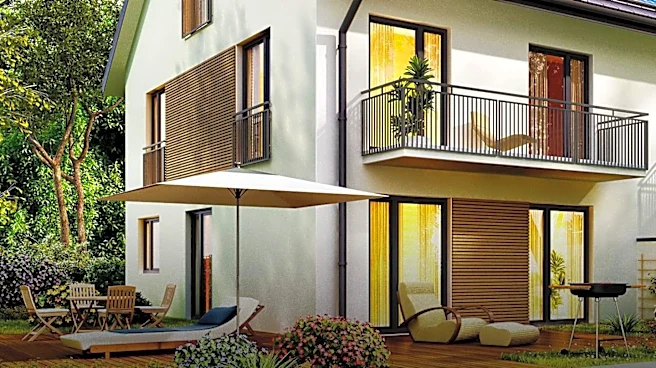
The perception of mobile home parks is undergoing a significant transformation, moving beyond their traditional image to become a mainstream housing solution. Modern mobile home communities are increasingly designed with sustainability in mind, featuring
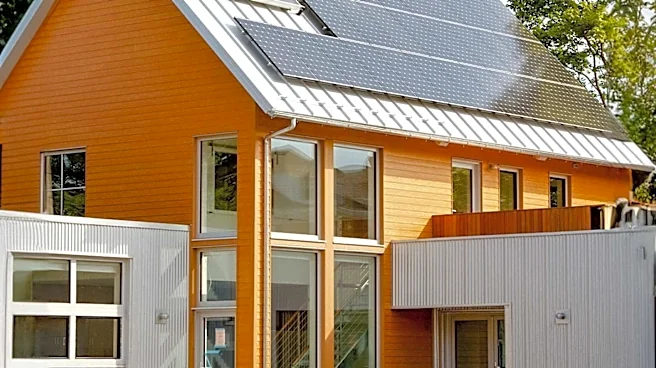
energy-efficient manufactured homes equipped with better insulation, Energy Star appliances, and even solar panels. Developers are also integrating smart home technology, offering high-speed fiber internet and advanced security systems. This modernization is attracting a younger, tech-savvy demographic that views mobile home living as a smart and contemporary choice, driven by the global shift towards attainable housing and the desire for financial freedom. These communities offer a middle ground between renting apartments and owning traditional stick-built houses, appealing to young professionals and retirees alike.
Why It's Important?
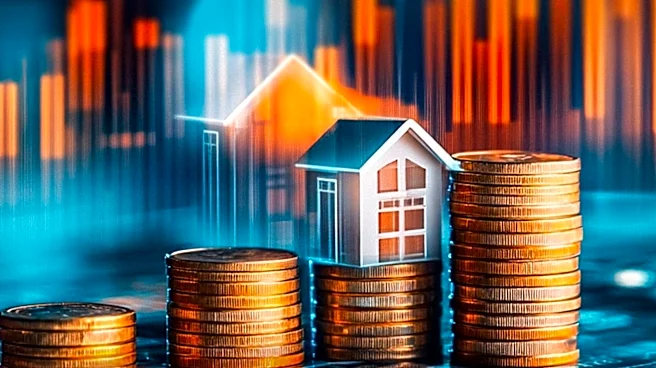
This evolution in mobile home living is highly significant for the U.S. housing market, addressing critical issues such as housing affordability and the demand for sustainable living options. With urban rent prices at historic highs, modern mobile home parks provide a viable and cost-effective alternative, making homeownership more accessible to a broader population. The integration of smart technology and sustainable features aligns with national trends towards energy efficiency and environmental responsibility, potentially reducing utility costs for residents and contributing to broader climate goals. This shift also impacts the construction and technology sectors, driving innovation in manufactured housing and smart home solutions. Furthermore, it represents a cultural movement towards minimalism and 'tiny living,' appealing to those who prioritize financial flexibility and the ability to relocate for work or leisure, thereby influencing lifestyle choices and community development across the country.
What's Next?
The trend of modernizing mobile home parks is expected to continue, with further integration of advanced smart home technologies and sustainable building practices. This will likely lead to increased investment in infrastructure within these communities, including high-speed internet and renewable energy sources. As more younger, tech-savvy individuals and families opt for this lifestyle, there will be a growing demand for manufactured homes that offer customizable, energy-efficient, and technologically integrated features. The industry may also see more hybrid parks that cater to both long-term residents and transient RVers, fostering diverse communities. Regulatory bodies may need to adapt zoning laws and financing options to support this evolving housing model, ensuring that these communities remain attractive and accessible while maintaining quality standards and resident protections.
Beyond the Headlines
Beyond the immediate housing and economic implications, the rise of modern mobile home parks reflects a deeper societal re-evaluation of traditional homeownership and lifestyle priorities. It challenges the long-held stigma associated with mobile homes, positioning them as a legitimate and desirable option for contemporary living. This shift could foster a greater sense of community and financial empowerment among residents, as lower housing costs free up resources for other pursuits like travel, hobbies, and personal growth. The emphasis on minimalism and efficient living also aligns with broader environmental consciousness, encouraging a less consumptive lifestyle. This transformation could ultimately lead to more diverse and resilient housing landscapes in the U.S., offering flexible solutions that cater to changing demographic needs and economic realities, while promoting sustainable practices and community well-being.