





What's Happening?
Cohasset police are investigating a hoax hostage incident that led to a significant emergency response at a jewelry store on Route 3A. Officers received a call around 6:30 p.m. from a man who claimed to be barricaded inside the closed store with two hostages
at gunpoint, demanding money for their release. The caller provided specific details about the store and the officers' movements, suggesting he was watching them. This prompted police to close Route 3A in both directions. However, after contacting the business owner and employees, who confirmed their safety, officers entered the store and found no one inside, nor any evidence of a hostage situation. Investigators later determined the caller had gained unauthorized access to the store's video surveillance system, allowing him to monitor the police response remotely.
Why It's Important?
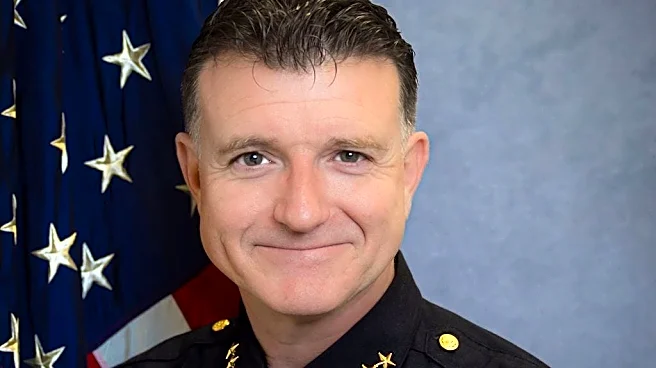
This incident underscores the serious dangers and resource drain associated with 'swatting,' a practice where false reports of serious crimes are made to provoke a large emergency response. Police Chief William Quigley emphasized that such hoaxes put both officers and the public at risk, while also diverting critical emergency resources from genuine emergencies. The caller's ability to access the store's surveillance system and accurately describe police movements adds a concerning layer of sophistication to this particular swatting attempt, highlighting potential vulnerabilities in security systems. The incident not only caused unnecessary alarm and disruption but also wasted valuable time and personnel that could have been deployed elsewhere, demonstrating the tangible negative impact of these malicious calls on public safety and emergency services.
What's Next?
The investigation into this hoax hostage call is ongoing. Authorities will likely focus on identifying and apprehending the individual responsible for the swatting incident. This will involve forensic analysis of the phone call and the unauthorized access to the jewelry store's surveillance system. Law enforcement agencies are increasingly working to combat swatting, which is a federal crime, and perpetrators often face severe penalties. The incident may also prompt businesses, particularly those with remote surveillance capabilities, to review and enhance their cybersecurity measures to prevent similar unauthorized access in the future. Public awareness campaigns about the dangers and consequences of swatting may also be reinforced to deter future incidents.
Beyond the Headlines
The Cohasset swatting incident highlights a growing concern regarding digital vulnerabilities and their exploitation for malicious purposes. The unauthorized access to a business's video surveillance system demonstrates how technological advancements, while offering convenience and security benefits, can also be weaponized. This raises broader questions about data privacy, cybersecurity protocols for small businesses, and the evolving nature of criminal activity in the digital age. Beyond the immediate legal ramifications for the perpetrator, such incidents contribute to a climate of distrust and can desensitize the public and emergency responders to genuine threats. It also underscores the psychological impact on victims of swatting, who often experience significant trauma and fear, even when no physical harm occurs. The incident serves as a stark reminder of the need for robust digital security and public vigilance against such deceptive and dangerous acts.