





What's Happening?
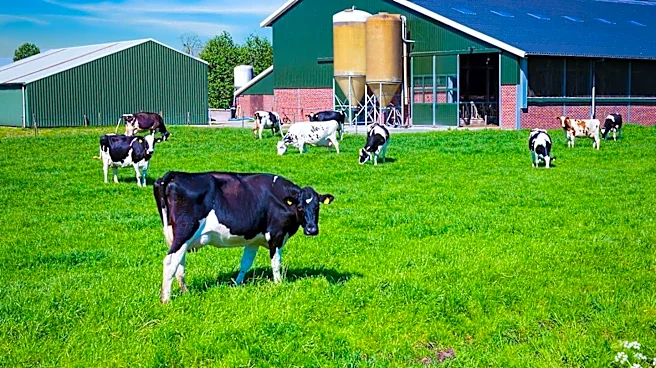
Eatwild.com, founded by Jo Robinson in 2001, serves as a leading resource in the United States for information on pasture-based farming. The platform advocates for raising livestock on pasture, emphasizing the benefits for consumers, animals, and the environment.
According to Eatwild.com, this approach provides consumers with access to more healthful eggs, meat, and dairy products, while ensuring animals live relatively stress-free lives. Furthermore, well-managed grazing practices are highlighted for their ability to improve soil fertility, absorb more greenhouse gases, and enhance water and topsoil retention. The website features a state-by-state directory of local farmers in the U.S. and Canada who adhere to Eatwild's criteria, allowing consumers to find and purchase products directly from these farms. Over 9 million people have visited Eatwild.com to discover alternatives to products from animals raised on unnatural diets and in confined, abusive conditions. Jo Robinson, recognized as one of the Top 50 Food Activists in the country and author of 'Eating on the Wild Side,' has been instrumental in promoting the grass-fed movement through her visits to farms and presentations to farmers and consumers.
Why It's Important?
The promotion of pasture-based farming by Eatwild.com is significant for several reasons, impacting U.S. agriculture, public health, and environmental sustainability. For consumers, it offers a pathway to healthier food options, as products from pastured animals are often perceived to have superior nutritional profiles. This initiative also addresses growing concerns about animal welfare by advocating for more humane living conditions for livestock. Environmentally, the emphasis on well-managed grazing contributes to climate change mitigation through increased carbon sequestration in soil and improved soil health, which is crucial for long-term agricultural productivity and resilience. Economically, Eatwild.com supports small family farms by connecting them directly with consumers, fostering a more localized and sustainable food system. This model challenges conventional industrial farming practices by offering a viable alternative that prioritizes ecological balance and ethical treatment of animals, potentially influencing broader agricultural policies and consumer demand for sustainably produced food.
What's Next?
Eatwild.com is expected to continue its role as a central hub for information and resources on pasture-based farming. The platform will likely expand its directory of local farmers as more producers adopt sustainable practices and consumer demand for grass-fed products grows. Educational efforts by Jo Robinson and Eatwild.com will probably persist, aiming to inform both farmers about the benefits of pasture-based methods and consumers about the advantages of choosing these products. The ongoing success of Eatwild.com could further influence the U.S. food industry by encouraging larger agricultural entities to consider more sustainable and humane farming practices. Additionally, the site's focus on environmental benefits, such as greenhouse gas absorption and soil health improvement, may contribute to broader discussions and policy developments related to climate-smart agriculture and regenerative farming in the United States.
Beyond the Headlines
The work of Eatwild.com extends beyond simply connecting consumers with farmers; it represents a deeper cultural and ethical shift in how food is produced and consumed in the U.S. The emphasis on animal welfare and environmental stewardship highlights a growing public consciousness regarding the ethical implications of food choices. This movement challenges the industrial food system's focus on efficiency and cost-effectiveness at the expense of animal well-being and ecological health. By promoting pasture-based farming, Eatwild.com contributes to a broader dialogue about food sovereignty, local economies, and the intrinsic value of natural ecosystems. The long-term implications could include a more resilient and diverse agricultural landscape, a healthier population due to improved food quality, and a stronger connection between consumers and the origins of their food, fostering a more mindful approach to eating and environmental responsibility.