



What's Happening?
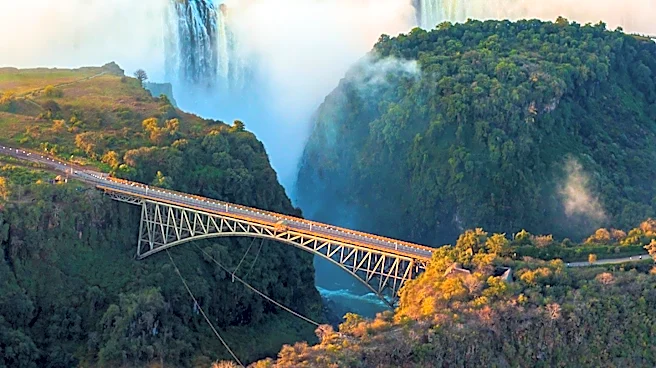
Tourism in the Zambezi region, particularly around Victoria Falls, continues to be a vital source of income and employment. Historically, the political and economic challenges in Zimbabwe from 2000 onwards led to a shift in tourism activity towards the Zambian
side, revitalizing Livingstone as an adventure tourism hub. This included the development of luxury lodges, rafting, and scenic flights. Currently, Zambia and Zimbabwe are increasingly collaborating to facilitate tourism, exemplified by the KAZA UniVisa, which simplifies travel between the two nations and their neighbors. The Victoria Falls, recognized as a UNESCO World Heritage Site since 1989, is managed by both countries, acknowledging its shared natural value. Despite its global appeal, the region faces contemporary challenges such as climate change-induced low water flows during dry seasons, tourist pressure, and the need to balance development with conservation efforts. However, the 'smoke that thunders' continues to attract visitors, especially during flood seasons.
Why It's Important?
The sustained focus on tourism in the Victoria Falls region underscores its critical role in the economic stability and development of both Zambia and Zimbabwe. The industry provides significant employment opportunities and generates substantial revenue, directly impacting local communities and national economies. The cooperative initiatives, such as the KAZA UniVisa, highlight a regional understanding that cross-border collaboration can enhance the overall tourist experience and economic benefits for all involved. This model of shared resource management and tourism promotion could serve as a blueprint for other transboundary natural attractions globally. The challenges faced, particularly those related to climate change and environmental sustainability, are important as they reflect broader global issues affecting natural heritage sites. How these nations address these concerns will have long-term implications for the preservation of the falls and the future of sustainable tourism in the region.
What's Next?
The future of tourism at Victoria Falls will likely involve continued efforts to mitigate the impacts of climate change, such as managing water resources during periods of low flow and adapting tourism offerings to these conditions. Discussions around balancing tourist pressure with conservation needs are expected to intensify, potentially leading to new policies or management strategies to ensure the long-term sustainability of the site. Further regional cooperation, possibly expanding on the success of the KAZA UniVisa, could be explored to create a more seamless and attractive travel experience across Southern Africa. Stakeholders, including local governments, tourism operators, and conservation organizations, will need to work together to address these complex issues, ensuring that Victoria Falls remains a premier global destination while preserving its natural integrity for future generations. The ongoing monitoring of environmental changes and their effects on the falls will be crucial for informed decision-making.
Beyond the Headlines
Beyond the immediate economic and environmental concerns, the story of Victoria Falls tourism touches upon deeper themes of post-colonial cooperation and the global responsibility of preserving natural wonders. The historical shift in tourism from Zimbabwe to Zambia due to political instability highlights the fragility of tourism economies in the face of geopolitical events. The current cooperative efforts between the two nations demonstrate a mature approach to managing a shared natural asset, moving past historical tensions to mutual benefit. This collaboration also reflects a growing recognition that natural heritage sites transcend national borders and require collective stewardship. The ethical dimension of tourism development, particularly in balancing economic gain with environmental protection and cultural preservation, remains a central challenge. The 'smoke that thunders' is not just a natural spectacle but also a symbol of resilience and the potential for cross-border harmony in the pursuit of sustainable development.