




What's Happening?
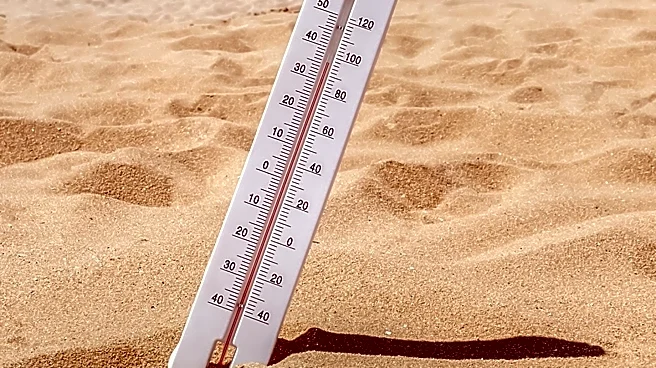
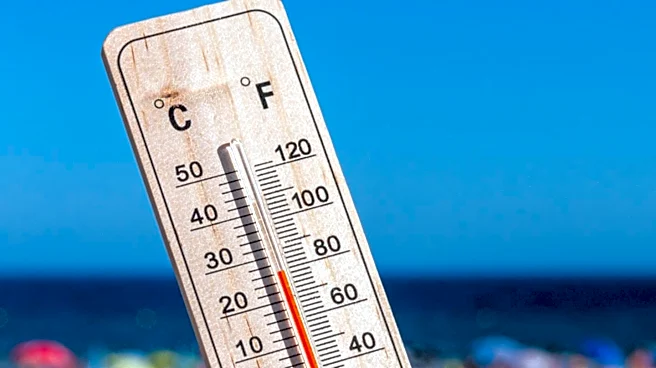
A significant heatwave is currently affecting parts of the Central and Eastern United States, with temperatures expected to exceed 100 degrees Fahrenheit. This extreme weather event is anticipated to persist through the Fourth of July weekend. According
to W. Larry Kenney, a professor of physiology at Penn State University, the increasing frequency and intensity of such heatwaves are linked to climate change. The combination of high temperatures and humidity poses a substantial risk to human health, particularly affecting the body's ability to regulate temperature through sweating and blood flow to the skin. The most vulnerable groups include older adults and individuals with pre-existing health conditions such as heart disease and diabetes.
Why It's Important?
The ongoing heatwave underscores the broader implications of climate change on public health. As extreme weather events become more common, they pose significant challenges to healthcare systems and public safety. Vulnerable populations, including the elderly and those with chronic health conditions, are at heightened risk of heat-related illnesses. This situation necessitates increased awareness and preparedness to mitigate health risks. The economic impact is also notable, as prolonged heatwaves can strain energy resources and affect productivity. Understanding and addressing these challenges is crucial for developing effective public health strategies and policies.
What's Next?
As the heatwave continues, public health officials and communities are urged to implement measures to protect vulnerable populations. This includes promoting hydration, encouraging gradual acclimatization to heat, and providing access to cooling centers. Additionally, there is a need for ongoing research and policy development to address the long-term impacts of climate change on public health. Stakeholders, including government agencies and healthcare providers, must collaborate to enhance resilience against future extreme weather events.