




What's Happening?
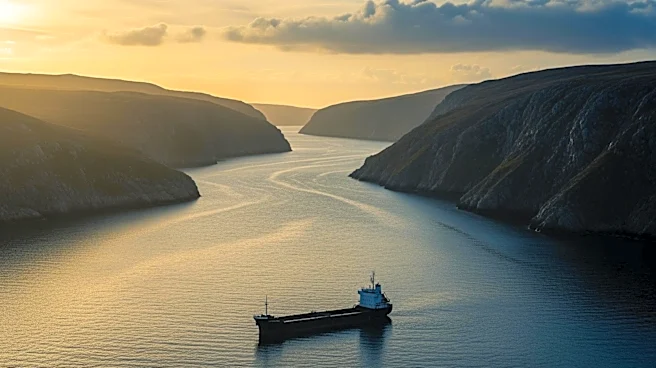
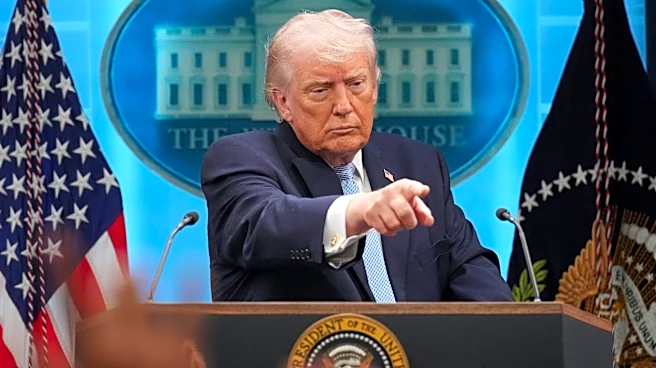
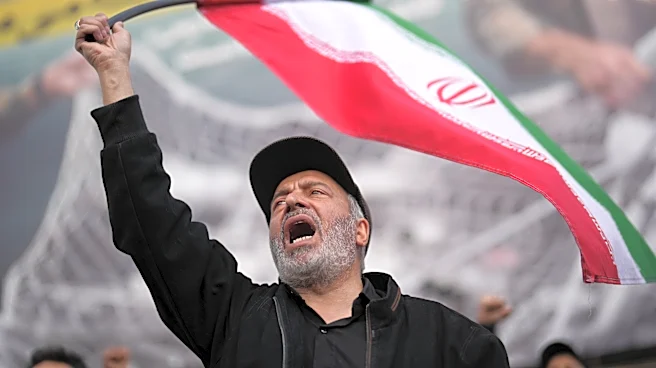
President Trump has accused Iran of failing to comply with a ceasefire agreement by not reopening the Strait of Hormuz, a critical global shipping route. The ceasefire, which was intended to halt hostilities and allow the passage of oil, has been challenged
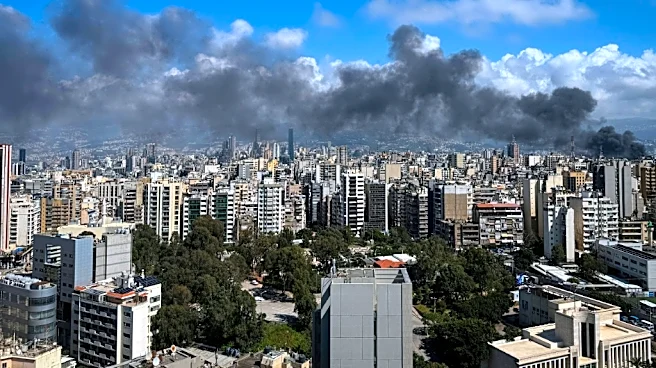
by ongoing conflicts in the region. Iran has closed the strait in response to Israeli airstrikes in Lebanon, which it claims violate the ceasefire terms. The situation remains tense as both sides prepare for high-level talks in Islamabad.
Why It's Important?
The closure of the Strait of Hormuz has significant implications for global energy markets, as it is a key passage for oil shipments. The ongoing tensions highlight the complexities of Middle Eastern geopolitics and the challenges of achieving a lasting peace. The outcome of the upcoming talks could have significant implications for regional stability and global energy markets. A failure to resolve the current tensions could lead to further escalation and disrupt global energy supplies.
What's Next?
The U.S. and Iran are set to meet in Islamabad for peace talks, with Pakistan acting as a mediator. The talks aim to address key issues such as the reopening of the Strait of Hormuz and Iran's nuclear program. The international community will be closely watching the negotiations, as their outcome could impact global energy supplies and geopolitical dynamics. The situation remains fluid, with potential for both diplomatic breakthroughs and further escalation.